 Start Slideshow
Over the years, the federal government has modernized, innovated, streamlined and enhanced its internal processes and IT However, this is a challenging task given the long-lasting legacy systems and the massive size and complexity of federal programs. For instance, the Department of Veterans Affairs is the largest health care system in the U.S., and the Defense Department has requested a record-breaking investment of $145 billion in research, development, test, and evaluation for modernization and innovation in its fiscal year 2024 budget. Additionally, the General Services Administration has created several governmentwide programs and platforms over time to simplify the transition to cloud and other digital processes for federal agencies.
These examples are just a glimpse of the extensive innovation efforts in government. National security, health, safety, education, scientific advancement, global competitiveness, supply chain management, connectivity and public transportation, among others, all rely on constant investment in technology and innovation. As a result, federal IT leaders play a critical role in ensuring the well-being of the nation. In recognition of their achievements, expertise and vision for bringing their agencies into the future to better serve the people, we have identified the best of the best among WashingtonExec’s Top Government Tech Leaders to Watch in 2023.
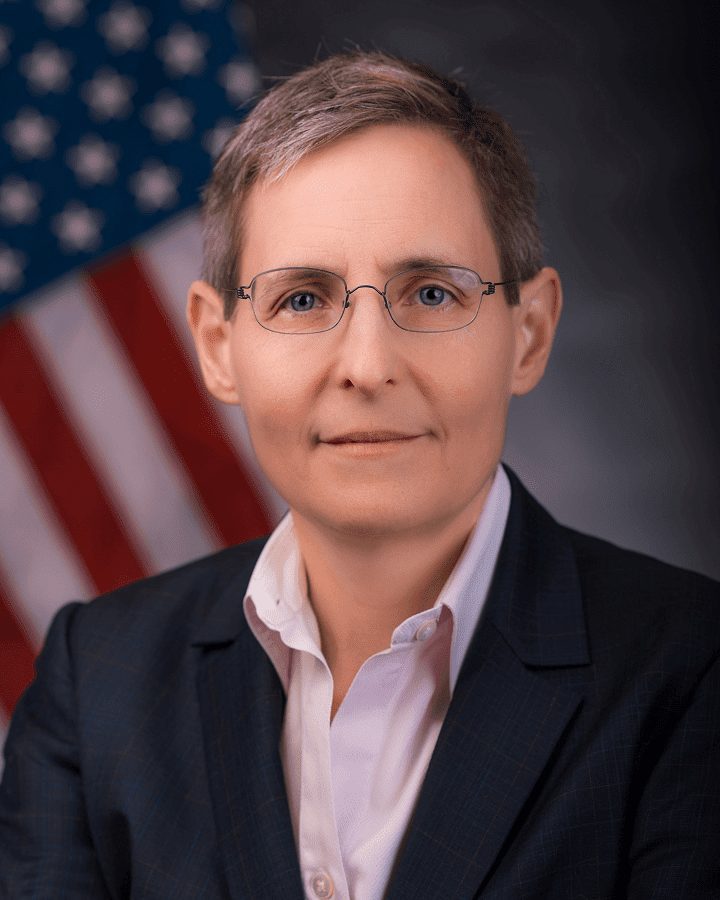
Ann Dunkin
Chief Information Officer, Energy Department
As CIO of the Energy Department, Ann Dunkin’s biggest recent achievement was convening cybersecurity researchers from across the department to discuss and share their work to improve resilience against cybersecurity threats.
As noted by participants, it is rare that vast knowledge across Energy is brought together in one place.
“It was incredibly satisfying to see the connections being made at the event,” Dunkin said.
Why Watch
In 2023, Dunkin’s team is heavily focused on building relationships across the department, interagency, the private sector and international partners. They’re doing this from a cyber perspective to enhance the collective defense and from an innovation perspective, to leverage the learnings of others and accelerate the department’s progress in modernizing and serving the public.
“DOE is Cabinet-level department and is a large, diverse, highly federated organization with an extremely broad mission set that requires numerous unique informational technology and cyber security solutions,” said Deputy Secretary of Energy David Turk. “This mission includes securing leadership in energy technologies, enhancing nuclear security, and maintaining vibrant efforts in science and technology as a cornerstone of economic prosperity.”
“Since her arrival at DOE, CIO Dunkin has demonstrated outstanding excellence in technology innovation, leadership, and collaboration not only across the Department, but also the Federal Government, and the community.”

Guy Cavallo
Chief Information Officer, Office of Personnel Management
Guy Cavallo made a big impact on OPM in his 20th year as a federal employee. He helped make the agency a top federal IT organization, which is now helping 2.1 million federal employees and 2.6 million retirees through digital transformation. Cavallo’s leadership has transformed OPM and set a high standard for excellence going forward.
A critical component of this success was for Cavallo to rebuild the Office of the CIO executive team. For the first time in years, OPM’s CIO office is fully staffed with the addition of nine new executives. With his team in place, Cavallo launched technology modernization initiatives, including establishing OPM’s cloud data center. His team successfully migrated 31 on-premises applications to the cloud, improving IT performance while ensuring OPM and other agency employees can securely access critical HR resources.
Under Cavallo’s leadership, the OCIO made significant improvements in technology development, modernization and customer service. It moved from 19th to third place in the General Services Administration’s CFO Act Agency IT customer satisfaction survey and rose from 20th to sixth for operations and maintenance. These improvements reflect Cavallo’s impact on organizational efficiency and productivity.
Why Watch
Cavallo’s main focus in 2023 is to improve citizen experiences, or CX, enhance cybersecurity and continue transforming legacy IT systems and processes into cloud-based services. He implemented an OPM Digital Services team that uses SAFe agile methodologies and is staffed with full-time employees to lead all CX improvement projects at OPM.
Another initiative of Cavallo’s is to bring in early-career talent to support OPM in today and in the future. He implemented an intern program last year that brought in 16 interns, some of whom were hired after graduation. This summer, Cavallo is leading a similar effort to offer more opportunities for early-career talent to join the federal government.
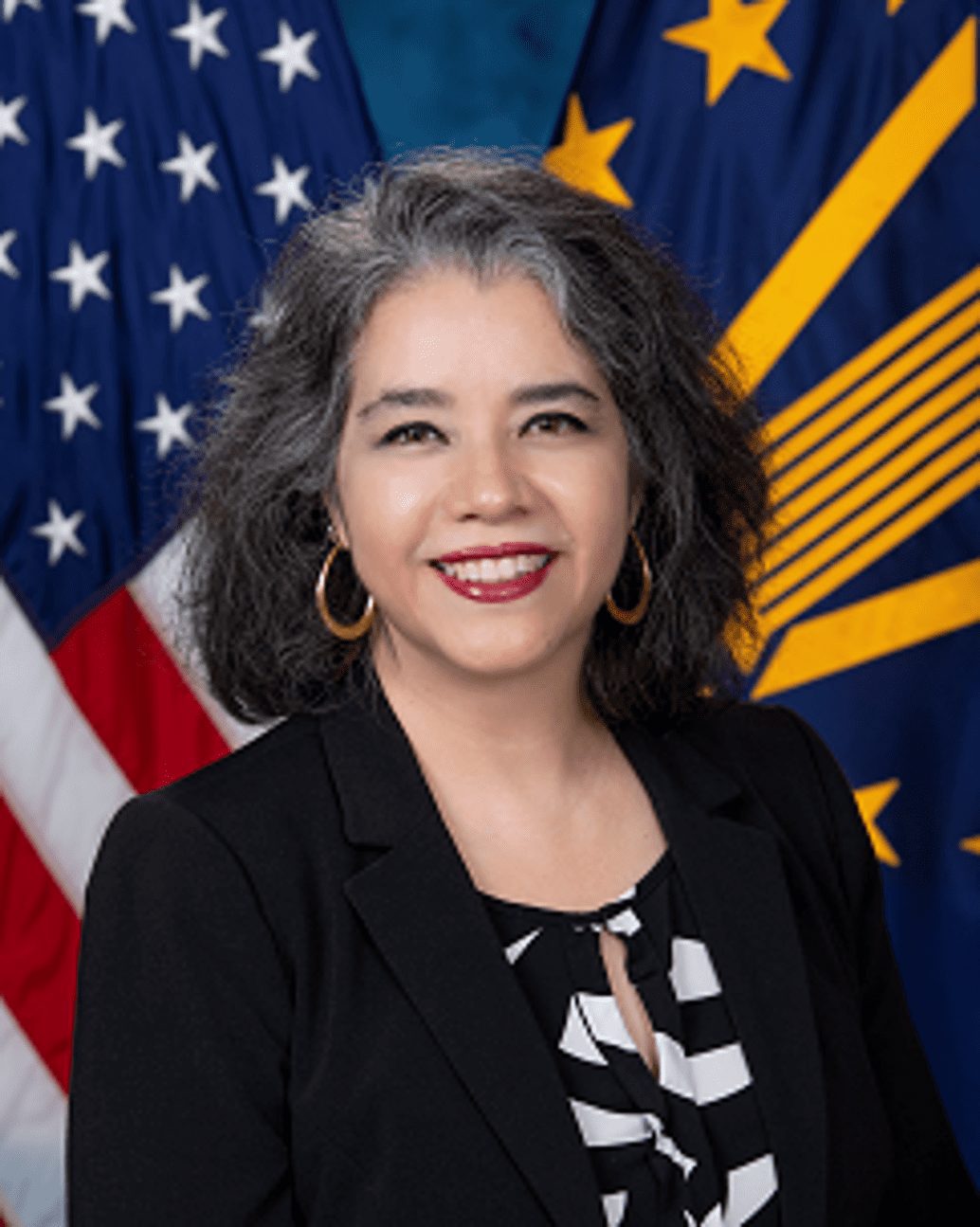
Laura Prietula
Deputy Chief Information Officer, Electronic Health Record Modernization Integration Office, Department of Veterans Affairs
“My biggest recent achievement was balancing my health, love of learning, and commitment to our nation’s veterans all with the same level of energy and zeal they deserve,” said Laura Prietula. “I have now been cancer free for over 18 months and will hopefully achieve full remission in 3 years.”
Although Prietula is still undergoing treatment, she is thankful she can continue to do things she loves, including serving veterans, coaching executives, mentoring rising leaders and pursuing her passion for learning.
“At the end of 2022, after three years, through COVID, my battle with breast cancer, and taking on a new role at work, I completed my doctoral studies in “Leadership and Learning in Organizations” from Vanderbilt University,” she added. “My parents taught me that the only inheritance that can’t ever be taken away from me is my education.”
Prietula has held various roles in her career, with her latest position being at the Department of Veterans Affairs. As deputy CIO of the Electronic Health Record Modernization Integration Office, she leads the technical development and deployment of a modernized EHR to enhance the delivery of quality health care to veterans.
Why Watch
In 2023, Prietula and her team are heavily focused on modernizing America’s largest integrated health care system, providing care at 1,298 health care facilities, including 171 medical centers and 1,113 outpatient sites of care, serving over 9 million veterans each year. This is the largest technology transformation ever in the history of VA.
Ultimately, they are striving to fulfill their sacred obligation to serve those in uniform and President Lincoln’s promise: “To care for those who have served in our nation’s military and for their families, caregivers, and survivors.”

Jason Bonci
Chief Technology Officer, Office of the Chief Information Officer, Department of the Air Force
Jason Bonci’s most significant recent achievement was publishing the DAF zero trust and ICAM roadmaps. These plans were developed in collaboration with experts and stakeholders from the department, and are a crucial product for the CIO office. They have sparked discussions with industry partners, military departments and allies on how they are addressing the technical, cultural and programmatic challenges associated with adopting zero trust architectures.
“It has been an amazingly rewarding personal experience getting to drive alignment in these areas and see the passion and energy of the teams in really trying to move something this foundational forward,” Bonci said.
Why Watch
In 2023, Bonci’s team will roll out the roadmap process to more technology areas as they tackle SD-WAN, cloud offerings, data and AI, and core services. More than simply producing a one-time roadmap product, they’ve built a process to track these milestones internally and keep the plans fresh regularly.
“Jay is the strongest CTO I’ve ever seen in the federal sector,” said Lauren Knausenberger, DAF CIO. “He can go deep into a broad variety of topics and is a savant at bringing engineering stakeholders together, driving buy-in, helping people understand where they fit in a complex road map, and publishing content that matters. He is the Oracle of Outcomes, and his efforts are paying huge dividends across the DAF and our DOD.”
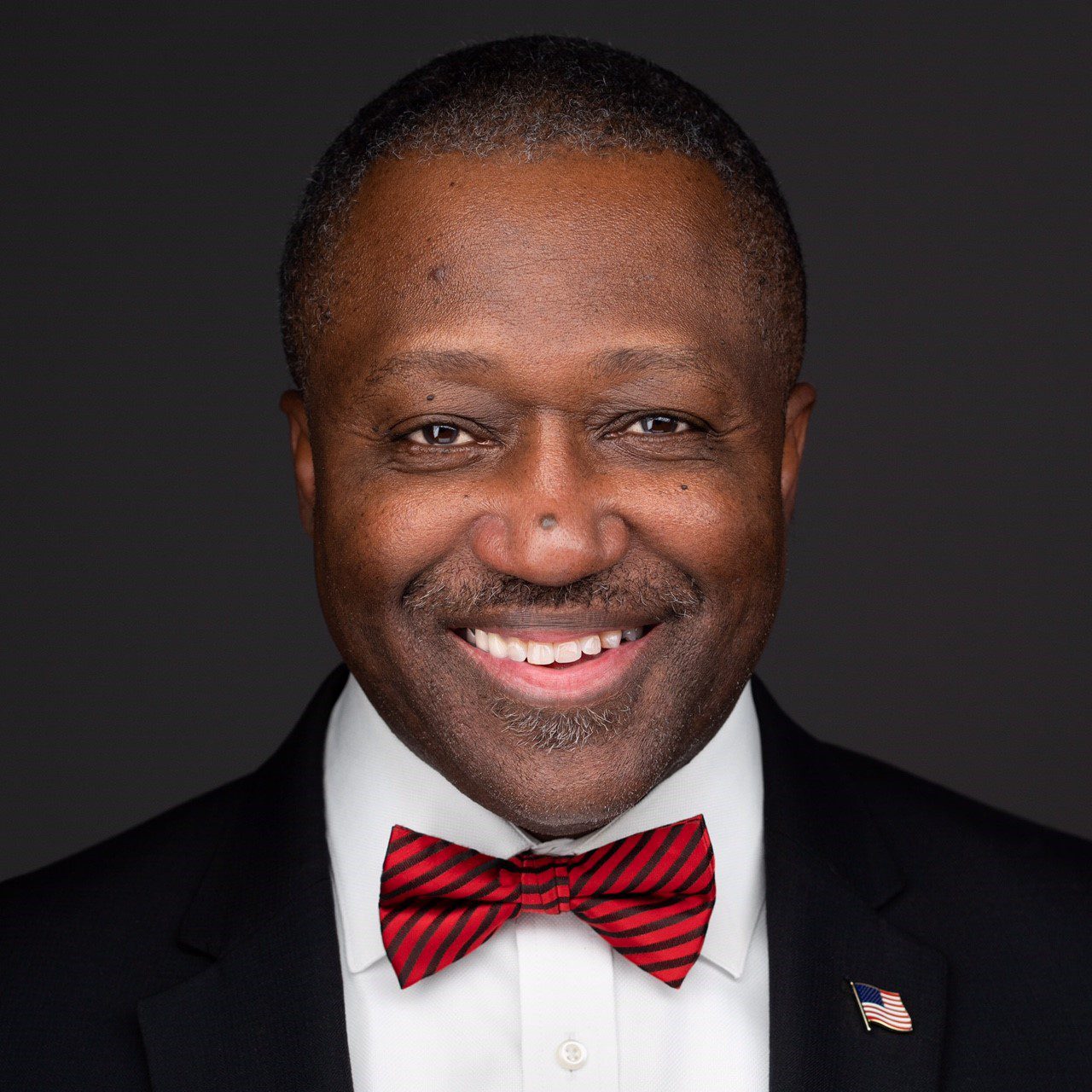
Melvin Brown
Deputy Chief Information Officer, Office of Personnel Management
Melvin Brown’s major accomplishment was solving the problems of an aging workforce and a shortage of early-career talent to replace them.
Within his organization – the Office of the CIO – nearly 28% of the employees are retirement-eligible. This is the highest of any office within the entire Office of Personnel Management. The demographic profile by age cohort can be seen in the pie chart below.
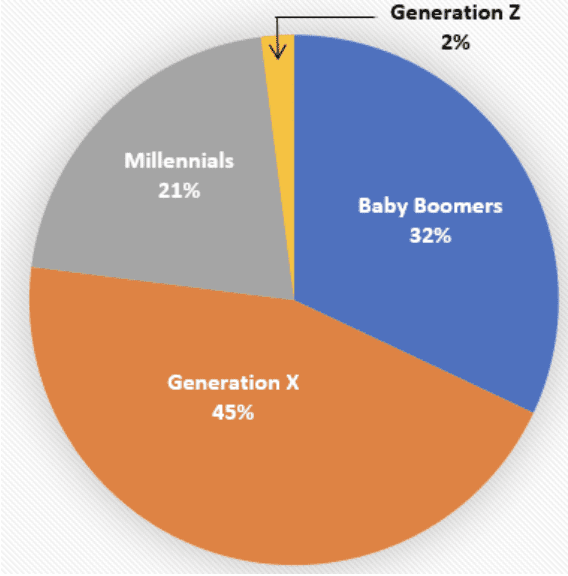 Along with that, the pie chart shows that the overall average age of OCIO employees and managers is 49. These facts highlight the need to create an organizational structure that brings in early-career candidates and provides a way to hire them.
Like many public and private sector organizations, OPM OCIO has challenges in recruiting individuals with modern technical skills, particularly those needed in cloud computing. For this reason, Brown developed and led OPM’s strategy for recruiting interns with cloud-related backgrounds through the Pathways program. As a result, over 200 candidates expressed interest in this program.
After extensive interviewing, 18 interns were hired from across the U.S., not just from the Washington, D.C., area. Through its recently deployed hybrid (remote and in-office) work capabilities, OCIO can now recruit nationwide and tap into a much broader and more diverse talent pool.
“I’m proud to report that 16 of those original 18 interns have committed to staying with OCIO,” Brown said. “In the end, this was my most significant workforce achievement.”
Why Watch
OPM OCIO set up a Cloud Center of Excellence to ensure secure, resilient, scalable and cost-effective solutions are implemented. It guides OPM in building cross-organizational cloud environments for email, conferencing, collaboration and enterprise business systems.
With the foundation now laid, it’s on to the next phase. Adopting cloud-based business processes requires new models for managing IT costs. With cloud computing, bills are paid based on use, similar to electric or water utilities. Therefore, traditional recapitalization models are no longer sufficient.
The objective of this initiative is to give all teams the tools, resources and expertise to manage their cloud use. OCIO has a multidisciplinary group of IT, finance, product and operational professionals who work together to develop best practices. The group aims to help IT users access innovative services develop capabilities and streamline operations while having more financial control and predictability.
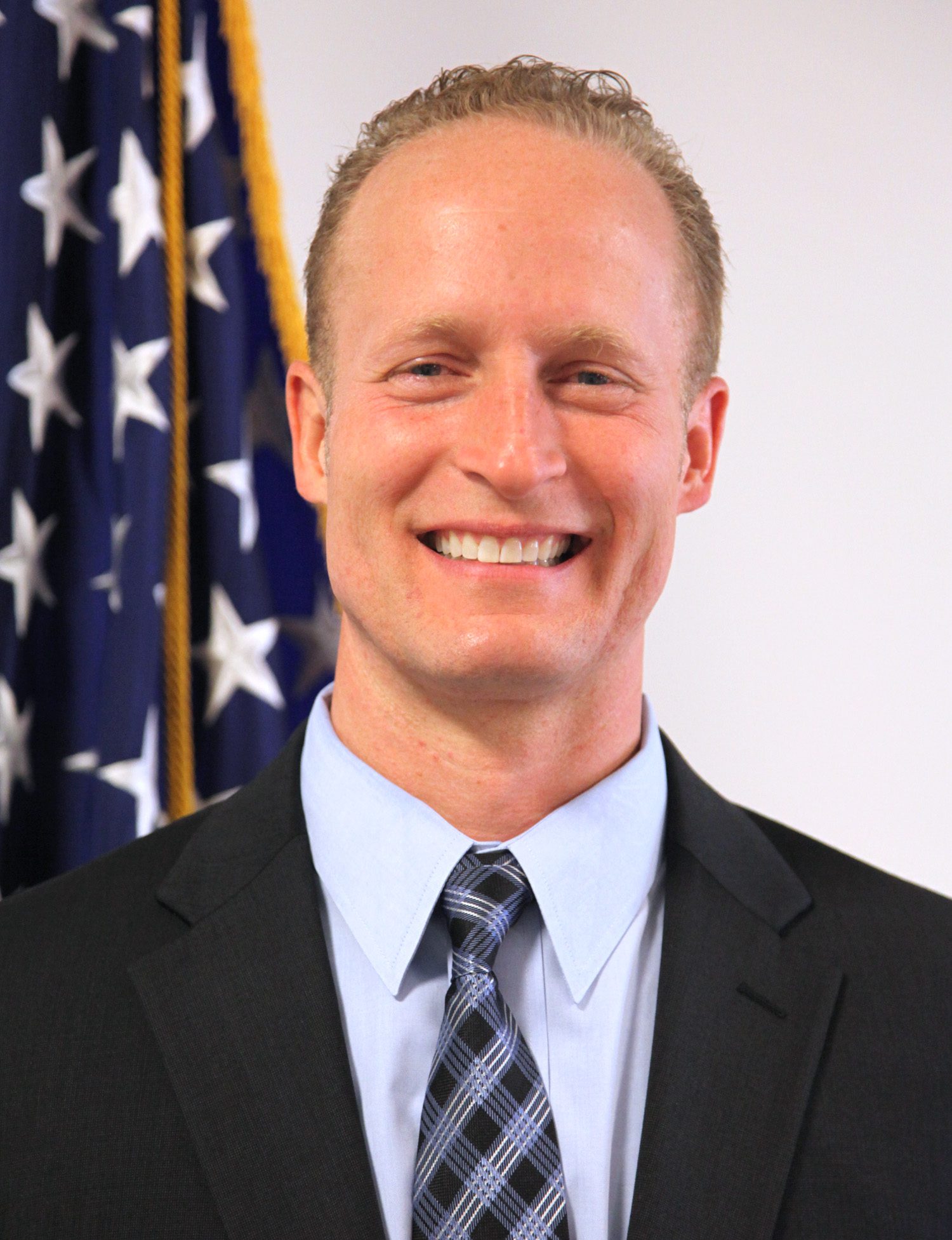
David Shive
Chief Information Officer, General Services Administration
Being the GSA CIO has been one of David Shive’s most fulfilling career achievements. He has observed the CIO role at GSA shift from service provider to strategic partner in delivering products and services to customers.
“At GSA, we approach IT delivery like running a business,” he said. “We collaborate with our business partners to show the value of technology – delivering better value and savings for our customer agencies, making a more sustainable government and leading with innovation. It’s an exciting time here in federal IT and I love the opportunity to be a public servant, working with the skilled tech workforce here in GSA IT.”
GSA Deputy Administrator Katy Kale said every day, Shive “recommits himself to focus on providing customers with a great experience.”
“His leadership as a CIO is recognized throughout GSA and across the federal community, helping all of us build a strong and secure technical infrastructure in order to deliver on our mission,” Kale added.
Why Watch
In 2023, Shive and his team are heavily focused on the following areas:
Customer Experience: Working with GSA IT should be easy. Every interaction with customers is important and customers’ experience with GSA IT is a top priority. “We want to make it simpler, easier and enjoyable for our customers to work with us,” Shive said. GSA IT will evaluate its data, policies and processes and work closer with customers to build a customer-centric culture that improves user experience, satisfaction and loyalty.
Employee Experience: GSA employees’ experience should be seamless, whether working virtually or in the office. “We want to foster a diverse, equitable, inclusive and accessible experience where all employees feel engaged, connected and valued,” Shive said. GSA IT is continuously evaluating employee feedback, needs and emerging technologies to improve collaboration and team dynamics across the GSA workforce.
Digital Experience: “We want to improve usability and accessibility through modern user-centered design practices and digital standardization across our websites, products and services,” Shive said. GSA IT is committed to increasing user satisfaction and providing exceptional digital experiences to employees, customers and the American people.
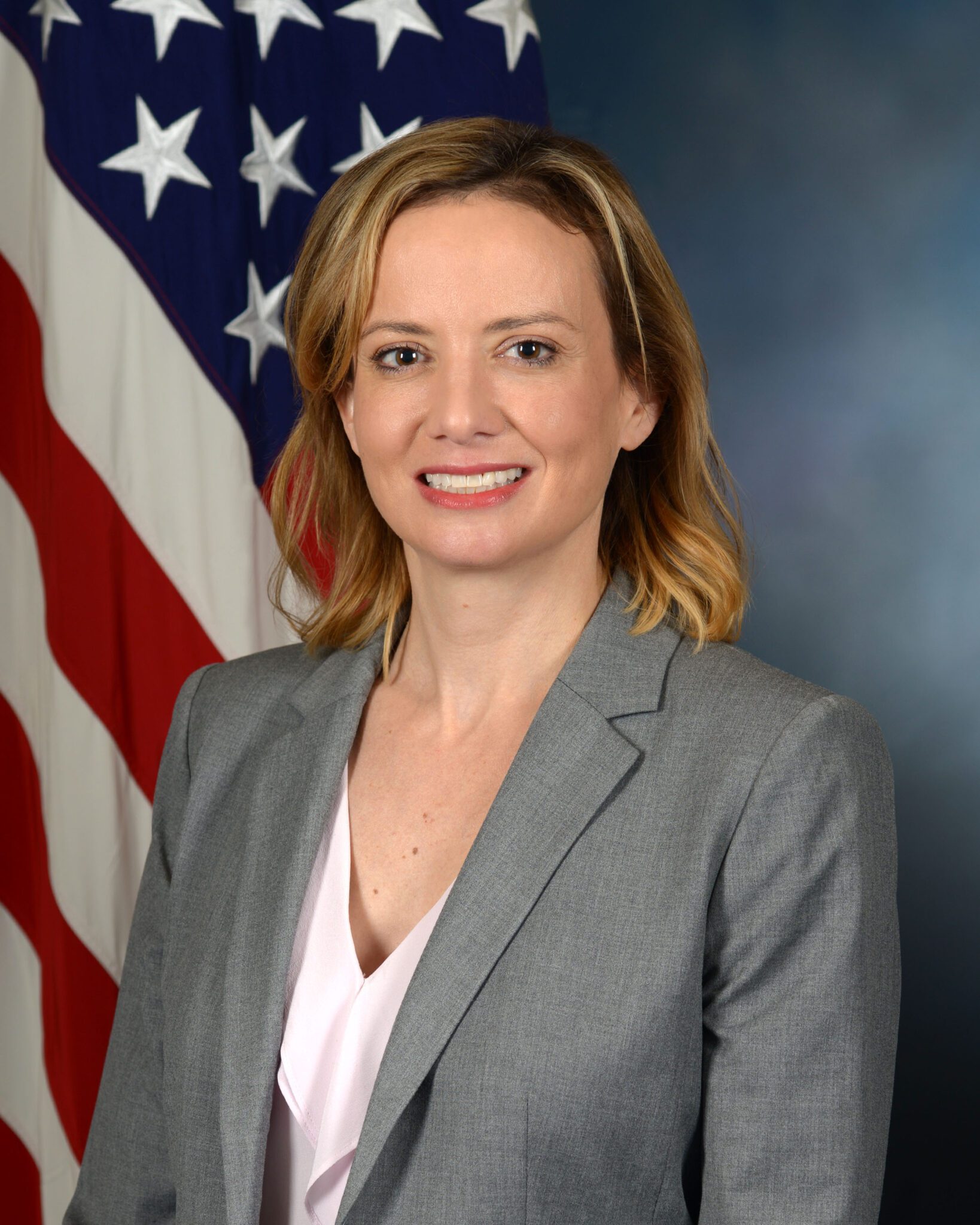
Dr. Kristen Alexander
Chief Learning and Artificial Intelligence Officer; Strategic Initiatives, Policy and Emerging Technologies; Director, Operational Test and Evaluation; Office of the Secretary of Defense; Defense Department
Dr. Kristen Alexander’s assessments of Defense Department systems and services through the Defense Acquisition System helped make sound acquisition decisions. This led to the delivery of proven combat-ready weapon systems crucial to achieving DOD’s mission success and strategic objectives.
“After two decades of implementing test and evaluation policy to increasingly complex systems, I am eager to drive transformative changes required to support joint warfighting concepts and delivery of a lethal, suitable, resilient, survivable, agile, and responsive future Joint Force,” she said.
Sandra Hobson, deputy director DOT&E for strategic initiatives, policy and emerging technologies, believes Alexander is ready for the challenge. Alexander has the technical expertise necessary to develop and implement a strategy to prepare the test and evaluation enterprise for future demands.
“She has also demonstrated the ability to effectively lead people by fostering organizational and workforce transformations,” Hobson said. “Most recently, she has applied her passion for teaching and mentorship to initiate the development of continuous learning program intended to enhance the readiness of our workforce and their response to emerging test and evaluation requirements.”
Why Watch
In 2023, Alexander will work on addressing DOD’s test and evaluation challenges in artificial intelligence.
“My team will be working across the test and evaluation enterprise, academia and industry to identify and address shortfalls needed to support adequate testing of operational and ethical performance of artificial intelligence-enabled systems as we simultaneously develop policy and training curriculum to support our test and evaluation workforce,” she said.

Kelly Fletcher
Chief Information Officer, Bureau of Information Resource Management, State Department
Kelly Fletcher is proud to have been part of teams that have achieved significant acquisition successes. They are driving modernization and improving user experience across the enterprise by partnering with industry at both the Defense Department and the State Department. Fletcher was involved in the inception of the Joint Warfighting Cloud Capability acquisition, which was recently awarded at DOD, and feels honored to have been a part of it.
JWCC offers DOD enterprisewide cloud capability at multiple classification levels, even at the edge. At the State Department, they are currently reviewing proposals for Evolve. Evolve will serve as the primary vehicle for all IT and cybersecurity services across the State Department, driving interoperability and efficiency.
They are also working on multiple enterprise licensing agreements to ensure the software used departmentwide is universally available at affordable prices.
“We are increasing our use of software-as-a-service to meet mission requirements ⏤ from collaboration to productivity to customer management,” Fletcher said. “As our diplomats move globally, they can continue to meet the mission through use of cloud-based services.”
Why Watch
Fletcher’s team aims to implement zero trust, including to non-enterprise networks that serve various purposes, such as communicating with the public, hosting diplomatic events and conducting law enforcement investigations. Previously, not all of the department’s cybersecurity controls were applied to these networks, making it essential to include them in the deployment of zero trust solutions.
Network modernization is an initiative that aims to enhance user experience and bolster cybersecurity. The new network, called Tron, will reduce global latency and improve the department’s cybersecurity by reducing the need for non-enterprise networks and providing zero trust capabilities.
“Millions rely on the State Department every day to deliver a secure, modern experience that meets today’s expectations,” said Clare Martorana, federal CIO. “It’s not only possible, it’s happening. By bringing the technology and business process modernization together, making the right investments, and designing with users, Kelly Fletcher is driving digital modernization forward. She’s the right person at the right time, an example of the best in Federal technology leadership.”
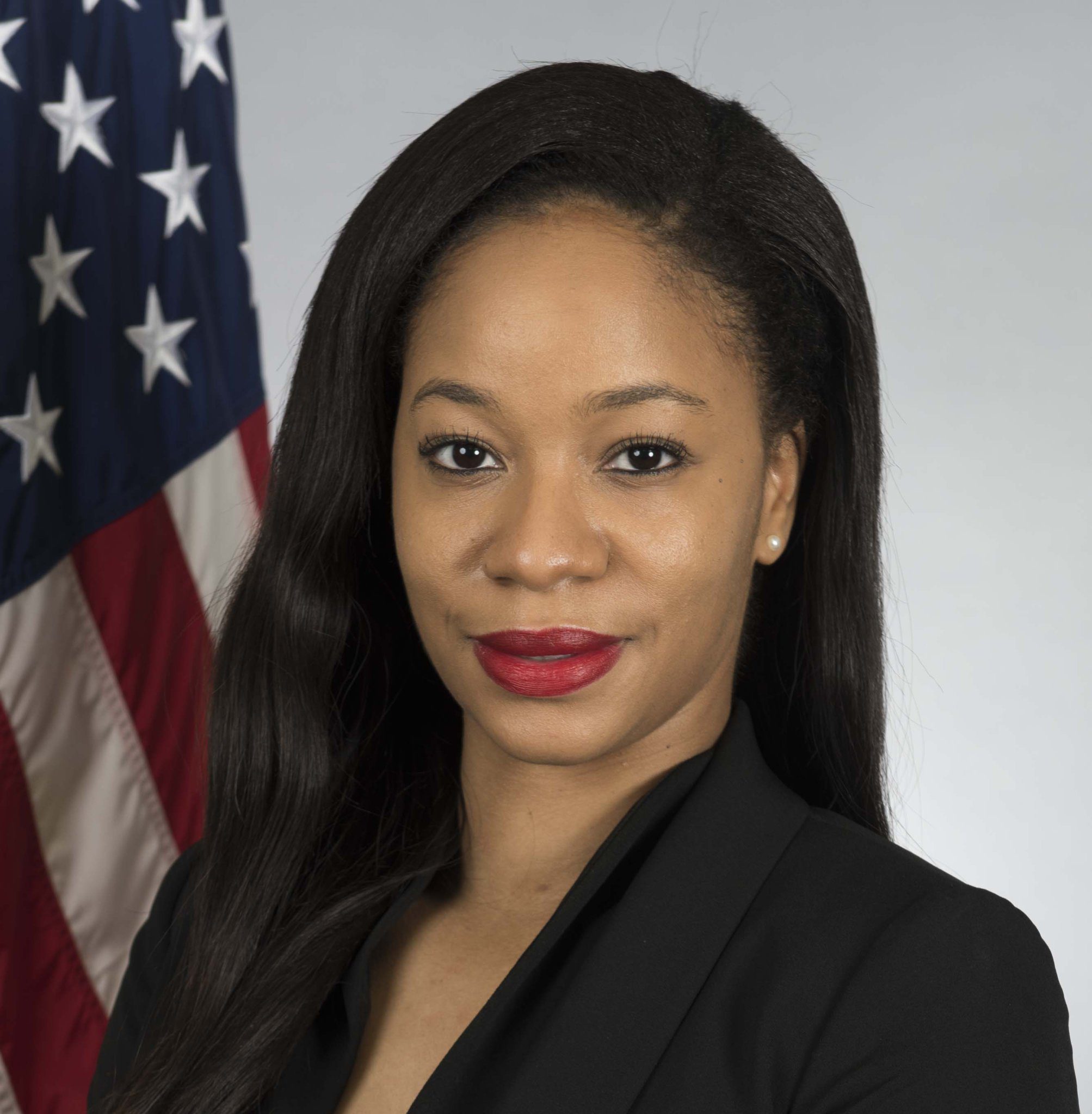
Chandra Donelson
Deputy Chief Data Officer, Office of the Deputy Chief of Staff for Intelligence, Army
Since starting with the Department of Army, Chandra Donelson has done more than wrangle data; she has championed rapid change, synchronized operations to technology, and created a vast partner ecosystem across government, industry and academia.
Donelson has had several exciting accomplishments, including integrating multiple data management solutions, establishing the Army’s data governance program and leading an 18-month effort to create the first Army Intelligence Data Strategy.
“As the stewards of data, we take seriously the enormous responsibility and opportunity before us,” said Lt. Gen. Laura A. Potter, deputy chief of staff for intelligence, G-2. “In the years ahead, the Army Intelligence Data Strategy will help to structure and prioritize our efforts, as we continue our work to ensure the Army Intelligence and Security Enterprise (AISE) becomes more data-centric to enable a multi-domain operations capable Army to deploy, fight, and win our nation’s wars and collect, analyze, and deliver intelligence to America’s leaders in the decades to come. It also underpins so many AISE modernization efforts and efforts going on across the Department of Army.”
The Army G-2 released the Army Military Intelligence Data Strategy 2022-2025 in February.
Why Watch
For 2023, Donelson and her team will focus on maturing enterprisewide data governance; modernizing data services; scaling data and analytics capabilities; cultivating data literacy; and building a high-performing, diverse and adaptable workforce to respond to changing technology.
“A fundamental measure of our success will be the value we provide to operations,” she said. “Therefore, we will measure our success by our ability to accelerate delivery of modern data products and services to our consumers and the value we provide to commanders to enable decision dominance. This value will be a direct result of our ability to ensure that from computation to combat, we are delivering the right data to the right user in the right format, without sacrificing data quality.”
The Army will leverage partnerships with government, industry and academia to ensure AISE is agile and responsive to mission needs.
“We are undergoing a major modernization effort to deliver intelligence in support of Multi-Domain Operations,” said Leonel Garciga, the Army intelligence community CIO. “These efforts, coupled with the zettabytes of new data is expected to be generated each year by 2025 and the rapid advances in technology requires Army MI to increase data maturity and ensure that our Information Technology Enterprise is agile in delivering IT systems.”

Michael Parrish
Chief Acquisition Officer; Principal Executive Director for the Office of Acquisition, Logistics, and Construction; Department of Veterans Affairs
Michael Parrish’s major accomplishment was leading the development of VA Pathfinder, a new digital tool that enables anyone to do business or innovate with the Department of Veterans Affairs.
Launched in June 2022, Pathfinder helps interested businesses of all sizes understand the landscape and processes of identifying opportunities. It walks them through the process with a real interaction, making it a crucial tool for business transformation efforts, particularly in market research and acquisition of new products and services. Pathfinder strengthens decision-making in VA acquisitions, which improves the quality of veteran health care.
As new technologies are integrated into VA services, it’s important they’re easy to use and intelligent, or what Parrish calls the “EII Doctrine.”
“This means that all new technologies embraced by the VA must be created according to human-centered design principles; integrated across the entire agency, not siloed; and come with the capability for intelligent data processing and predictive analytics,” he said. “This is the context in which we developed the Pathfinder initiative, which has already attracted dozens of new innovators seeking to collaborate with VA on improving the lives of our veterans.”
Why Watch
Parrish and his team are heavily focused on major acquisition reform in 2023. They aim to modernize the organization and provide critical oversight of acquisition processes. Proper governance is key to achieving cradle-to-grave lifecycle management of cost, schedule and performance, which will streamline how industry does business with VA and enable faster innovation and acquisition.
They are focusing on qualitative user adoption of new technologies to improve internal processes and providing quantitative best-in-class commercial standard technology tools. These tools enable VA teammates to achieve their mission of increasing access and improving outcomes for veterans.
“I am a champion of modernizing the VA’s analog bureaucracy in the digital age,” Parrish said.

Scott Beliveau
Branch Chief of Advanced Analytics, Patent and Trademark Office
Innovation is a major contributor to the U.S. economy, accounting for over 41% of the gross domestic product and employing one-third of the workforce. It is vital to job creation, promoting economic prosperity and solving some of the world’s biggest problems. Innovation never sleeps ⏤ and seemingly neither does America’s innovation agency’s resident intrapreneur, Scott Beliveau.
Beliveau manages one of the world’s largest innovation collections. His biggest accomplishment over the past year is the delivery of new data products using a new paradigm to rapidly “spin-in” emerging technology and innovations from the private sector and individuals through data competitions.
“Are there others not focused on my problems who have assets or capabilities that could accelerate or help? And how do I engage them? The answer was ⏤ I can engage them with the one thing I’ve got that no one else has ⏤ USPTO data,” he said.
In just six months, the team successfully launched five new AI/data products that leverage emerging technology. These products offer new services, such as helping innovators take the next steps toward realizing their dreams.
Why Watch
Beliveau’s focus for next year is on improving USPTO’s public data dissemination efforts to enhance customer experience. He plans to integrate data sources and services to build trust and provide easily accessible data regardless of skill level. He also seeks to rebrand public data dissemination customers as the valuable creators they truly are.
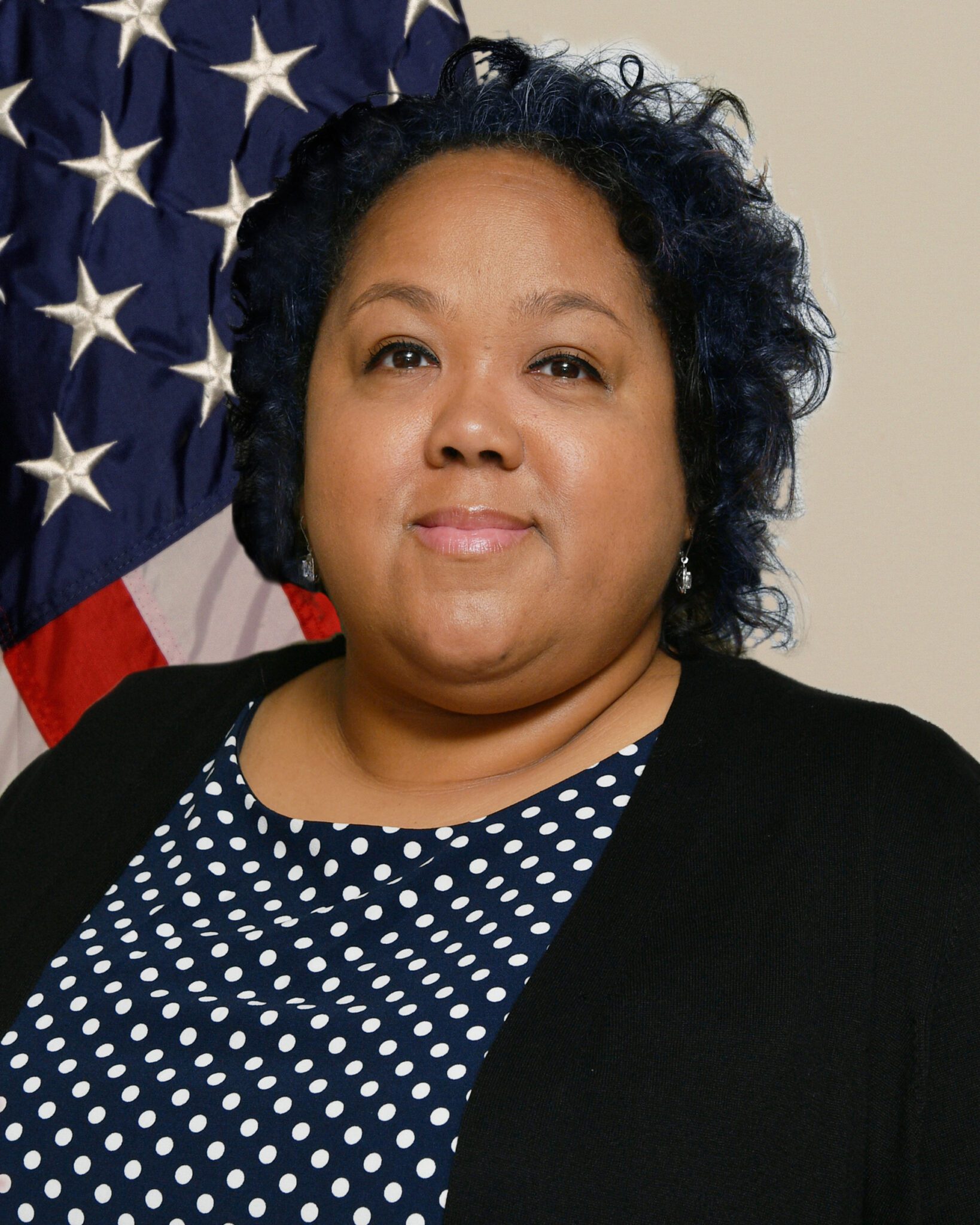
Charneta Samms
Chief Technology Officer, U.S. Army Combat Capabilities Development Command
As the first chief technology officer of the U.S. Army Combat Capabilities Development Command, Charneta Samms and her team are challenging conventional thinking in their approach to science and technology development for the Army.
Samms is excited about the team’s recent efforts to establish new initiatives that will enable a shared vision of the future Army. These efforts aim to enhance collaboration between the Army’s science and technology, threat, concepts, experimentation and operational communities. They also involve industry, academia and international allies and partners. Synergy between these entities is critical to enabling the Army to transform how it fights, equips and organizes for the future.
“To really get after the challenges our future Army will face in 2040 and beyond, we must diversify our sources of innovation by learning from and partnering with the best, wherever they might be,” Samms said.
Why Watch
In 2023, Samms and her team aim to shape the culture of DEVCOM by reducing roadblocks that hinder scientific exploration. They want to harness the workforce’s passion and creativity while considering future threats and operational needs. This approach enables them to develop capabilities for the Army’s future needs beyond 2040.
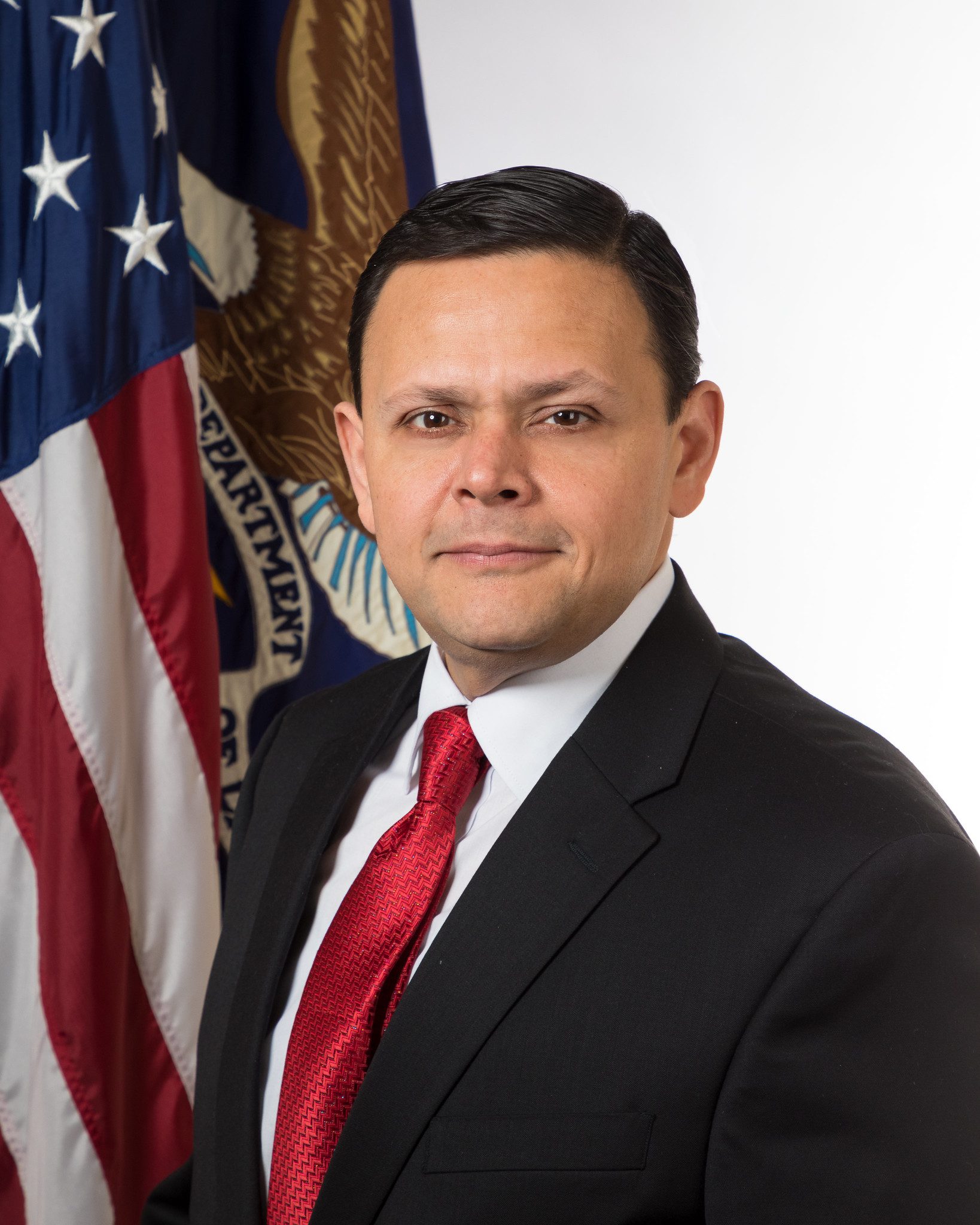
Gundeep Ahluwalia
Chief Information Officer, Labor Department
“My strongest achievement is putting the right people and processes in place to serve America’s workers,” said Gundeep Ahluwalia. “People are the necessary ingredient for success and seeing what we’ve accomplished thus far makes me excited to see what we can do in the years’ ahead.”
Ahluwalia is most proud of the Labor Department’s efforts to create a specialized branch to support the piloting, research and development, and implementation of emerging technologies.
To date, the emerging technologies team has launched six RPA bots to support procurement, market research, human resources and agency reporting efforts. The team is also exploring departmentwide opportunities for using other emerging technologies to allow staff to focus on more mission-critical work.
Ahluwalia is especially excited about DOL’s recent achievements in data modernization and the use of emerging technologies. These initiatives support the department’s goal of transforming the customer experience.
Why Watch
In 2023, Ahluwalia’s team is focused on agility and advancing data modernization, digital transformation and cloud strategy. This includes reducing operational costs, standardizing technologies and prioritizing cybersecurity. They are also modernizing critical IT applications like Unemployment Insurance and permanent visa labor certification.
“Gundeep is constantly working across the Department with his teams to find ways to improve IT modernization and implement new technology; pushing the needle forward,” said Assistant Secretary for Administration and Management Rachana Desai Martin. “We’re proud of his accomplishments and admire his leadership as he continues to raise the bar in solutions and offerings for America’s workers.”

Cynthia Kaiser
Deputy Assistant Director, FBI
Since joining the FBI’s Cyber Division in 2017, Cynthia Kaiser has been instrumental in improving FBI information sharing and collaboration with the private sector and government officials. She has worked to make these efforts robust, proactive and effective in deterring malicious cyber actors.
These efforts have included increased public advisories, listening to stakeholders and removing structural impediments to sharing. In particular, Kaiser drove the FBI’s efforts to increase the specificity and frequency of warnings to industry and the public about Russian cyber threats after the invasion of Ukraine last year.
“Every day, the FBI workforce pours their hearts and souls into keeping their friends, families and communities safe,” Kaiser said. “My goal is to share threat information we uncover with those who are most impacted by it and use it to make a difference. Transparency makes everyone safer.”
Why Watch
FBI’s Cyber Division is expanding its work with partners to defend networks, attribute malicious activity and fight adversaries overseas. The FBI is increasing collaboration and combining knowledge from investigations with the private sector to detect and understand ongoing activities by adversaries. The bureau aims to publish 100 cyber threat advisories a year within the next few years.
“Cynthia’s commitment to leading the FBI’s Cyber Intelligence program has been instrumental in identifying and combatting our adversaries,” said FBI Cyber Division Assistant Director Bryan Vorndran. “She brings a unique perspective to the ever-evolving cyber landscape by prioritizing joint government response to national threats.”
Winston Beauchamp
Deputy Chief Information Officer, Department of the Air Force
The future fight requires a digital foundation the nation’s warfighters can rely on, now and in the future. As the Department of the Air Force deputy chief information officer, Winston Beauchamp is working on making changes in the IT enterprise to deliver capabilities to the warfighter quicker.
Beauchamp has elevated the profile of enterprise IT in the Air Force by linking digital modernization initiatives to improved mission performance and reduced cybersecurity risk in a near-peer conflict.
In the past year, he led the Secretary of the Air Force’s Management Initiative #5 to identify high return on investment opportunities across business and enterprise systems. He also spearheaded the development of the Program Objectives Memorandum submission for the department’s enterprise IT portfolio, which formed the basis for the IT investments for mission systems and cybersecurity in the SecAF’s Operational Imperatives.
“These combined efforts resulted in significant investments into the portfolio,” Beauchamp said. “Through DAF contributions to DOD-wide initiatives such as zero trust and Joint All-Domain Command and Control, major acquisition programs like CloudOne and Enterprise IT as a Service, or focused efforts to improve capabilities for mobile users at multiple security levels, we are accelerating IT transformation across the Department.”
Why Watch
Beauchamp wants to improve the user experience and warfighter effectiveness in 2023 to gain a competitive advantage in the future. To achieve this, he plans to scale partnerships with the enterprise and industry as everything is increasingly interconnected.
“Winston is my trusted partner in leading the office of the DAF CIO and is widely known to be a powerful voice for change in the Department,” said Air Force Department CIO Lauren Knausenberger. “Our cybersecurity and our enterprise architecture are stronger due to his leadership and technical acumen.”

Laura Stanton
Assistant Commissioner, Office of Information Technology Category, Federal Acquisition Service, GSA
The Office of Information Technology Category, within GSA’s Federal Acquisition Service, delivers flexible IT solutions and services that support agency missions. ITC saves customers almost $2 billion each year and is responsible for facilitating almost $34 billion in government IT spending.
“I’m passionate about connecting agencies, technology, and industry through acquisition and seeing it all come together to support the American people,” said Laura Stanton. “I’m constantly seeking ways that ITC and GSA can effectively partner with all stakeholders.”
ITC has developed a portfolio to support small businesses. This helps the administration’s goals of increasing access to a diverse spectrum of vendors across the federal marketplace. Stanton has engaged small businesses and promoted the importance of these companies across government.
ITC’s 8(a) STARS III Best-in-Class GWAC has been crucial to achieving this, with 277 industry partners receiving task order awards. Among them, 161 had never received a GSA contract vehicle task order award before. The 8(a) STARS III program has seen significant growth, benefiting the 8(a) community, taxpayers and government agencies.
Why Watch
In 2023, ITC is heavily focused on helping the acquisition community identify emerging technologies and anticipate their impact in the public sector. Advancements in areas like artificial intelligence, telecom, cybersecurity and even climate are transforming the IT tools agencies need for their missions.
ITC is working on studying the lifecycle of various technologies and creating a standard language to describe their early phases. It’s also developing tools to track the progress of each technology’s adoption and to identify which are most suitable for government use. This effort will improve GSA’s ability to smooth the way for widespread acquisition.

Col. Candice Frost
Joint Intelligence Operations Center Commander, U.S. Cyber Command
Col. Candice Frost was encouraged that her organization played a crucial role in supporting operations in Ukraine by assisting CYBERCOM in partnering with other intelligence community organizations. This collaboration helped the teams who worked with Ukraine to bolster their cyber defenses.
Additionally, she partnered with the FBI, the Cybersecurity and Infrastructure Security Agency, industry and academia to ensure safe and secure 2022 midterm elections.
“Leading several Defense Intelligence Enterprise efforts at our nation’s premier cyber security organization, U.S. Cyber Command, Col. Candice Frost’s zeal for innovation, technology and empowered collaboration is unparalleled,” said Yvette Nonte, senior analyst with the Defense Department. “Her intellectual prowess and problem-solving skills drove incredible breakthroughs in the organization and synchronization of the intelligence community. A visionary champion of leveraging publicly available information, artificial intelligence and the challenges we face, make Col. Candice Frost WashingtonExec’s No. 1 woman to watch in emerging technology.”
Why Watch
In 2023, Frost aims to drive innovation and looks forward to the new capabilities provided by the Joint Intelligence Operations Center to Cyber Command. Her organization played a key role in providing the analysis that led to the creation of a foundational cyber intelligence center for DOD and Congress.
Comparable to the National Ground Intelligence Center or the National Air and Space Intelligence Center, this center would help operators with operations in cyberspace.
“Intelligence support to cyber defensive and offensive operations remains critical as persistent engagement in cyberspace is crucial,” Frost said. “As the employment of technology increases, along with the interconnectedness, so does the ability for threat actors to impact this surface.”
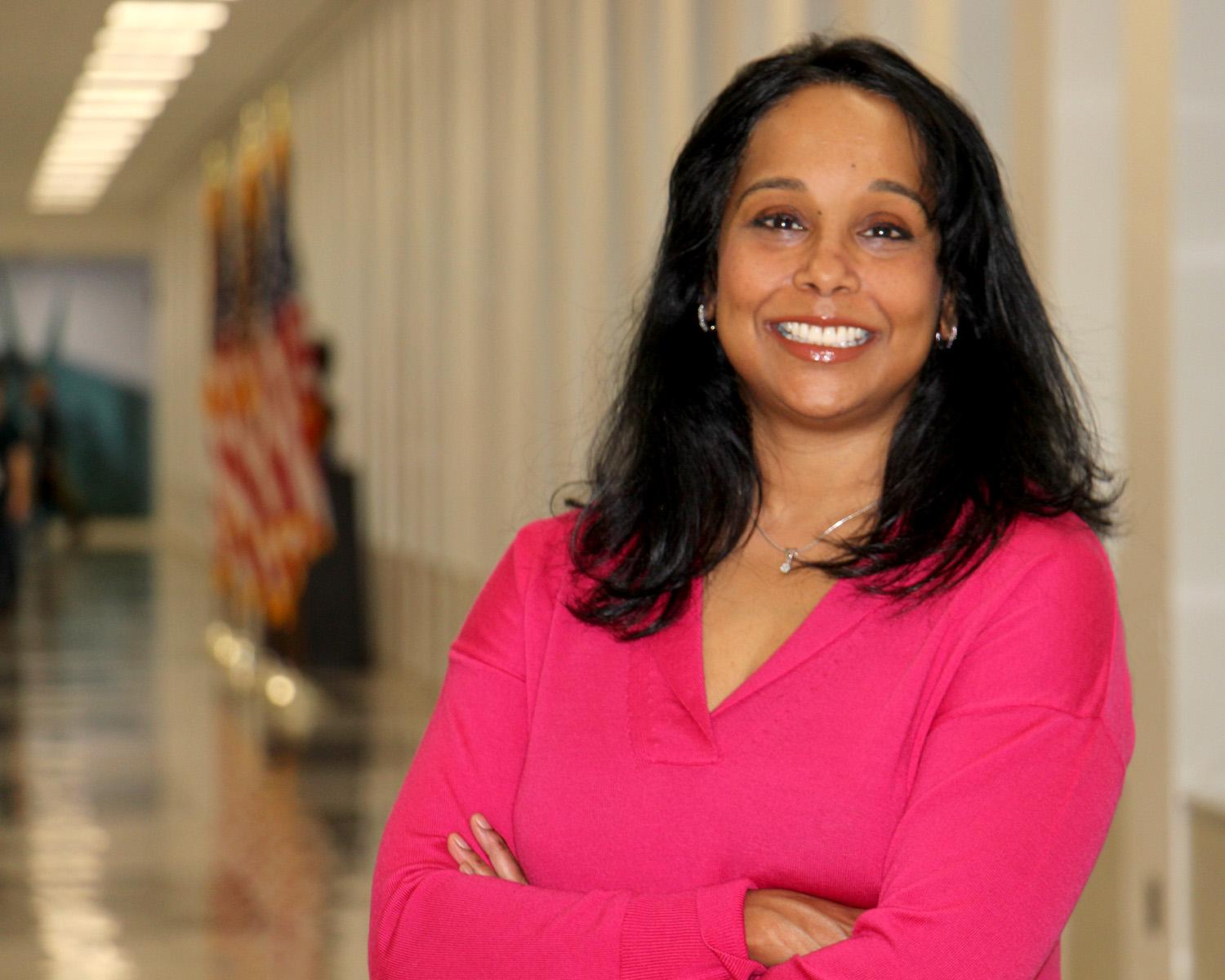
Lakshmi Raman
Director of Artificial Intelligence, CIA
As the director of artificial intelligence for the CIA, Lakshmi Raman is mandated to champion, orchestrate, integrate and mature AI activities across the organization.
“My current position is both the greatest challenge of my career as well as the most rewarding,” she said. “I am helping the CIA adapt to challenges posed by an evolving global technology and threat environment, as well as improve our ability to rapidly adopt and apply AI capabilities across mission.”
Raman’s major accomplishment last year was creating and implementing the CIA’s new AI strategy, which serves as a roadmap for the agency’s future endeavors in this crucial technology field. She also established agencywide governance around AI to improve awareness and use of AI, assess mission impacts, enhance current and future activities, identify needs and gaps and guide investment decisions.
Her supervisor alluded to her success in this space, saying, “Numerous participants on the corporate board praised Ms. Raman’s efforts to ensure inclusiveness and collaboration across the agency.”
Why Watch
In 2023, Raman and her team will focus on implementing the CIA’s AI strategy and creating policies for AI standards, tradecraft and governance.
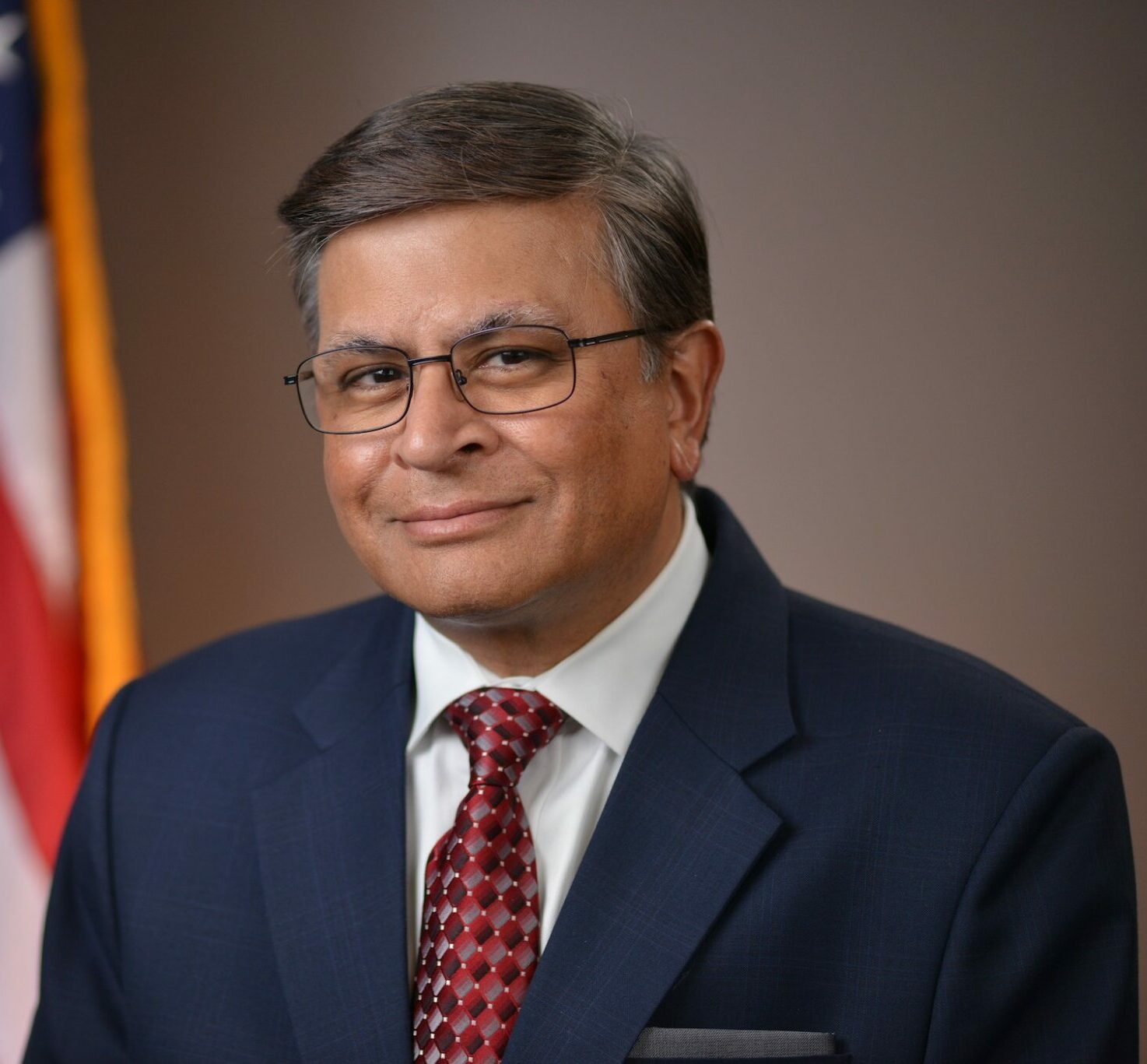
Vid Desai
Chief Information Officer, Food and Drug Administration
With over 30 years of IT experience and as FDA’s CIO in the Office of Digital Transformation, Vid Desai leads the agency’s IT strategy, enterprise IT, data management and cybersecurity. His office oversees all FDA IT spending of over $750 million.
One of Desai’s biggest, most recent achievements was the successful development of an enterprise approach to IT, data and cybersecurity modernization. Developing the foundation for this important work while also cultivating a culture of collaboration and confidence for successful outcomes has been truly remarkable, Desai said.
Why Watch
In 2023, Desai and his team are heavily focused on reimagining the possible. With the organization’s culture of confidence and enterprisewide strategic alignment, they’re always working to be ready for whatever comes next.
“I firmly believe that it’s important to prioritize believing in yourself and your capabilities,” Desai said. “When you truly believe in yourself, others will see the same view that you do.”