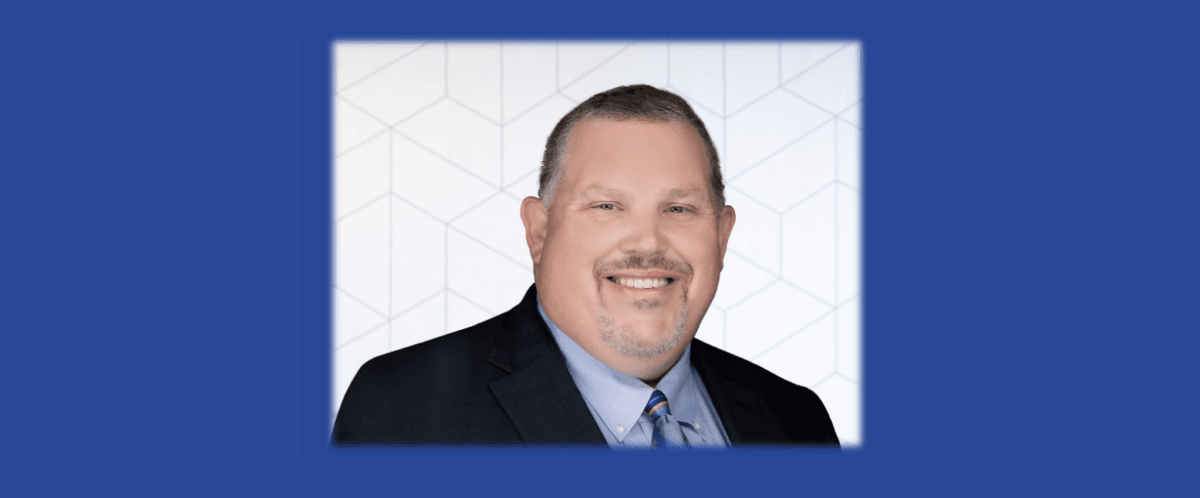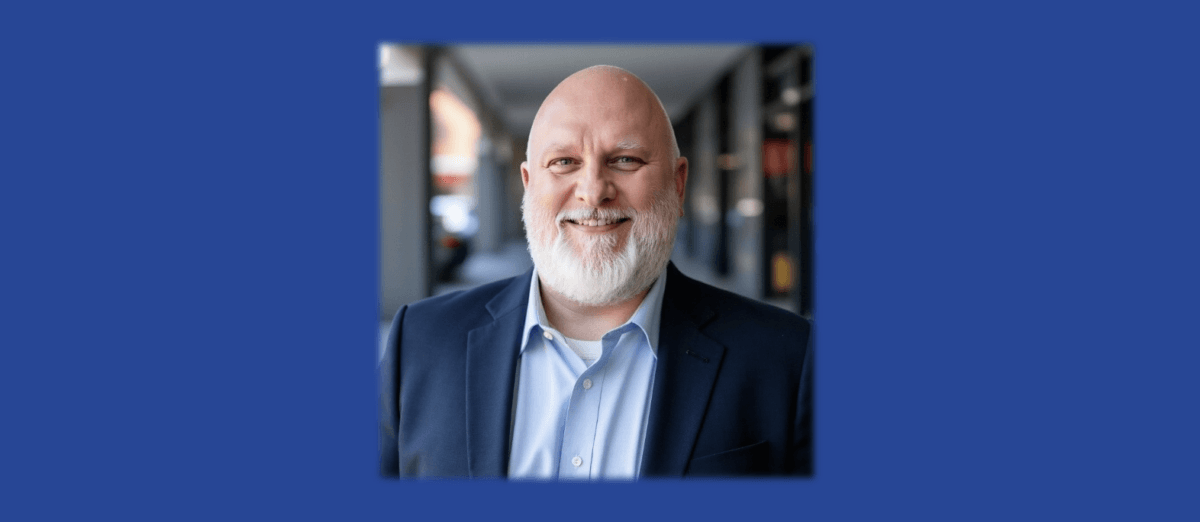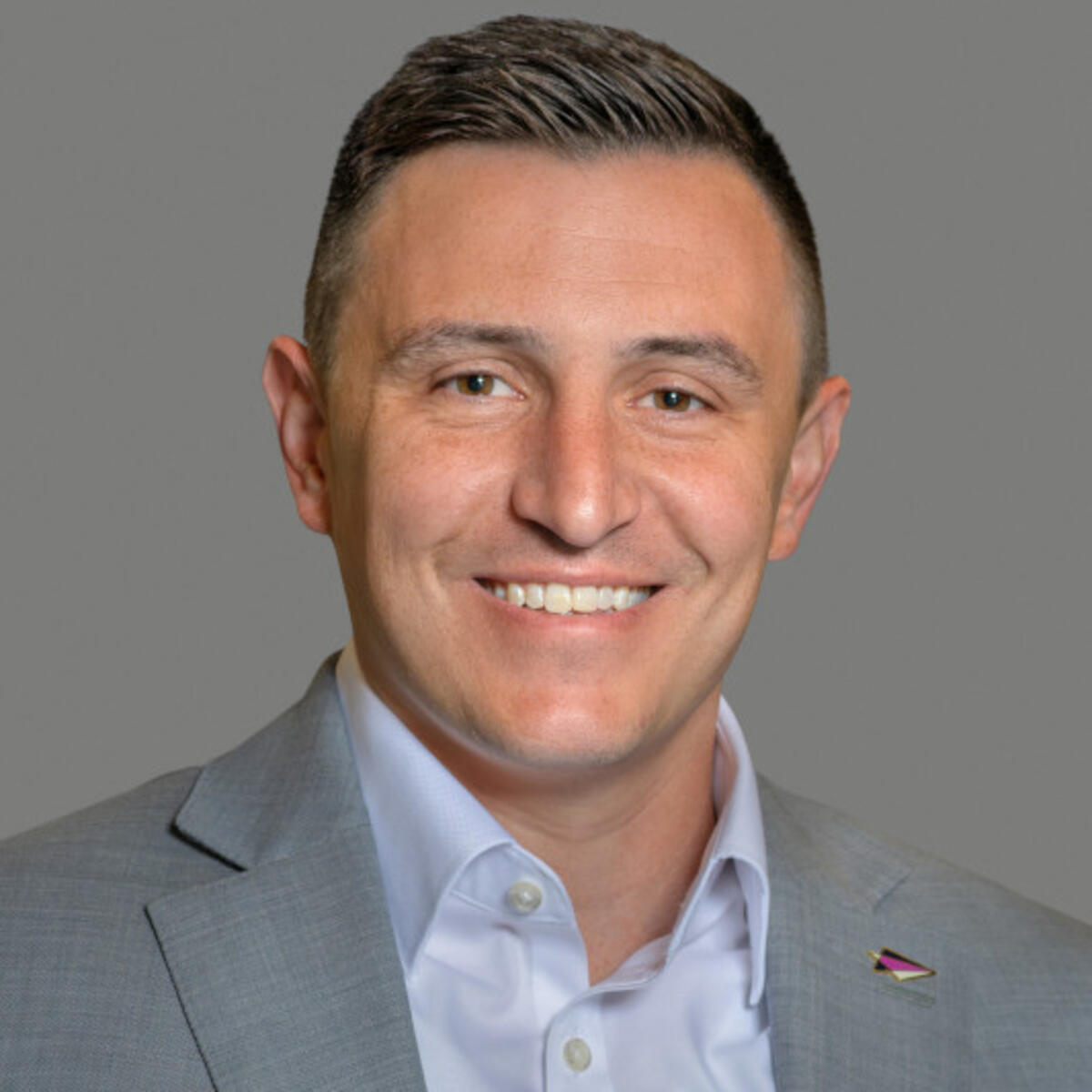
Under Eric Moore, Leidos Digital Modernization Sector cut the time to get a system authorized to operate from as long as nine months to under 90 days through a framework called ARMOR.
As senior vice president and chief technology officer of the sector, Moore is a finalist for WashingtonExec’s Chief Officer Awards in the Public Company CTO of the Year category. The event takes place live June 2.
Here, he discusses the framework that compressed his authorization timelines, his push to make Leidos and its customers AI-first, and why his best career advice comes down to adapting before you have to.
What key achievements did you have in 2025/2026?
2025 demanded we meet a moment of rapid change, and we did. I reorganized our investment strategy from technology-led to market-led, ensuring we solved real customer problems in months rather than years. That shift paid off: we won major new contracts, including USAF Cloud One Next ACSS, DTRA CDES, DISA CESO and all four categories on the Department of State EVOLVE IDIQ. Our pipeline grew to support a nearly 25% increase in planned submissions in 2026.
We also launched a new suite of mission-focused capabilities: ForWard, InSight, UpHold and HeadWay, along with Maritime Mission Edge and Unified Networking Tactical. These aren’t just products; they represent a deliberate architectural philosophy built on modular open standards that keep our customers in control of their data and destiny.
One of my proudest achievements was ARMOR, our framework for accelerating the Authorization to Operate process. By combining automation, AI, continuous compliance monitoring, and a new business model with partners like SecondFront and RegScale, we reduced Authority to Operate (ATO) timelines from six to nine months to under 90 days. This is a genuine strategic capability for the nation.
Internally, we grew our Communities of Practice by 113%, and across Leidos, we upskilled more than 17,000 employees in AI, data analytics and machine learning. Community members were 50% less likely to leave voluntarily and 100% more likely to pursue further training; that’s a culture shift, not just a metric.
What are your primary focus areas going forward, and why are those so important to the mission?
My focus is on three things: making Leidos and our customers truly AI-first; continuing to compress the cycle from concept to fielded capability; and building an innovation ecosystem that connects commercial technology companies to government missions at speed.
The window to shape how AI gets embedded into national security, federal operations and defense is open right now. If we don’t help our customers build AI-native workflows and infrastructure today, they’ll be operating with yesterday’s tools against tomorrow’s threats. That’s not acceptable, and it’s entirely preventable.
What is your best career advice for those who want to follow in your footsteps?
Adapt before you must. The leaders who thrive through disruption aren’t the ones who saw it coming perfectly; they’re the ones who had the intellectual honesty to acknowledge when incremental improvement wasn’t enough and the courage to embrace a fundamentally different path. Be willing to cannibalize your own past success in the service of your customers’ future. And surround yourself with people who challenge your thinking. The best ideas I’ve ever acted on started as uncomfortable disagreements.
What is something about you that most people do not know?
I started flying planes when I was 13, highlighted by a flight from Michigan to Oshkosh, Wisconsin, for the Oshkosh Air Show, and I look forward to getting back behind the yoke one day.