
Serving the government market demands deep mission knowledge, secure and innovative solutions and the trust required to act as a true strategic partner for agencies delivering citizen services. As technology and expectations shift, agencies must modernize internal IT systems and adopt emerging tools in ways that are effective, efficient and aligned with mission needs.
For WashingtonExec’s Top Public Sector Leaders to Watch in 2026, we selected leaders who deliver the tools, strategies and systems that help agencies do exactly that. Our choices reflect not only their accomplishments but their impact on the government community and their vision for what comes next. In a year shaped by global challenges, a new administration and shifting federal priorities, these leaders brought experience, knowledge and expertise across government while keeping employees and customers at the center.
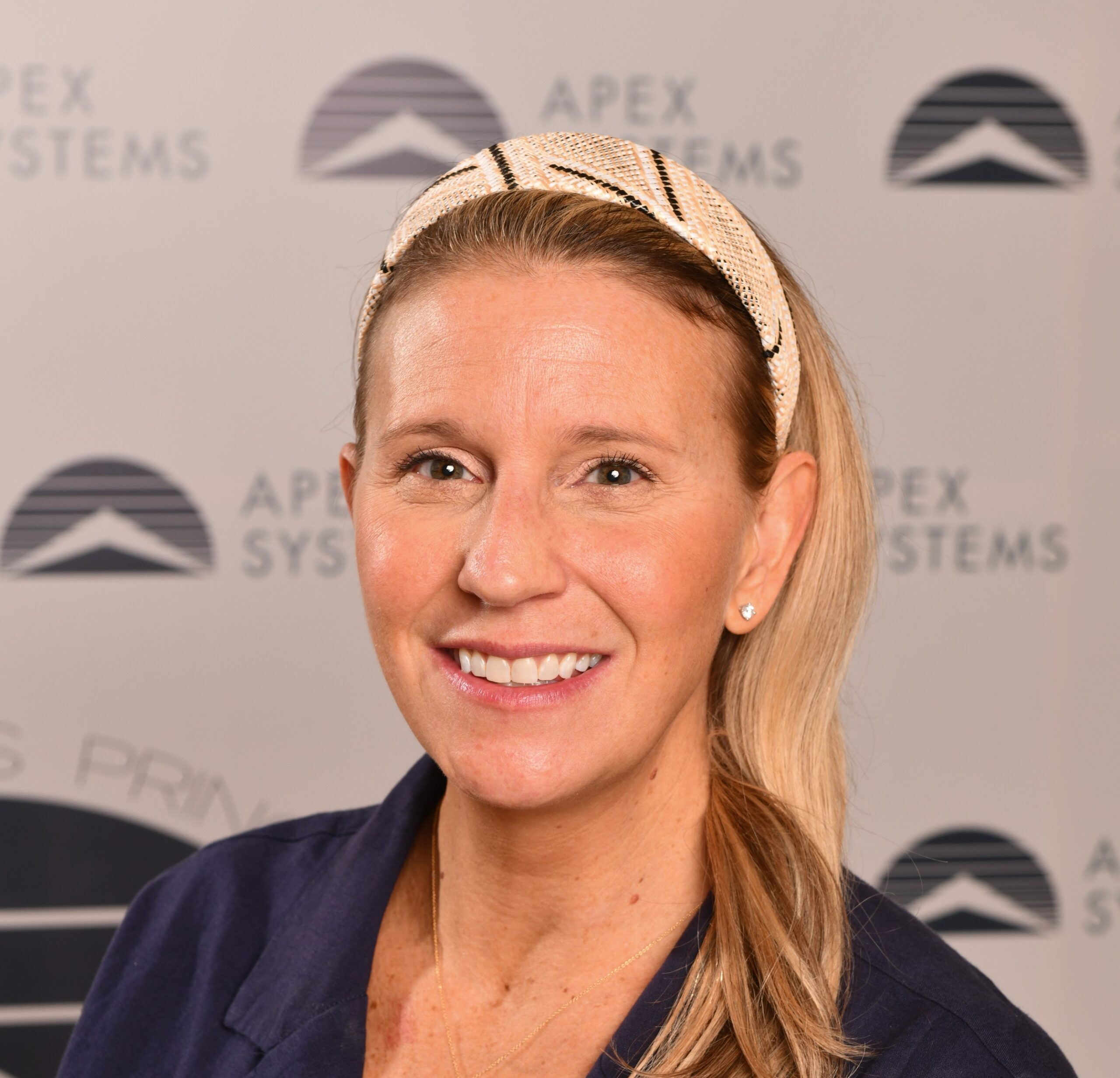
Alexis Oehling
Vice President- Public Sector, Apex Systems
Alexis Oehling’s biggest recent achievement is building collaborative, high-performing teams that align with mission priorities and deliver strong outcomes for Apex Systems’ clients. Over the past year, she brought together teams that listen closely, adapt to change and produce work customers are proud to share with their government partners.
Seeing those teams earn trust and expand their scope to new programs has been a major milestone for her. She also partnered with clients to drive innovation and integrate AI into strategic solutions, laying a foundation for future success.
The company also worked closely with clients to reduce costs by evaluating team structures and optimizing labor rates to improve efficiency without sacrificing quality.
“Alexis Oehling is the kind of Public Sector leader you want on every opportunity,” said Kelly Jenne, vice president and industry leader- public sector at Apex Systems. “She takes complex requirements from our customers and turns them into clear plans that our teams can execute, and our clients can trust. Alexis shows up for our clients, grows the people around her, and raises the bar every year on what great delivery looks like! Congratulations Alexis!”
Why Watch
In 2026, Oehling’s team will be focused on advancing Apex Systems’ delivery model to strengthen execution and ensure alignment with client project outcomes. The company will continue delivering capability-driven solutions that help clients secure and optimize performance on mission-critical IT services contracts. With deep expertise in artificial intelligence, the team aims to accelerate service delivery, save clients time and reduce costs.
“This year brought change and challenges, and I’m proud of our team for staying focused on our clients and their end customers, controlling what we could control,” Oehling said. “In times like these, it’s easy to lose sight of the mission, but this team pushed through and delivered exceptional support when it mattered most.”
Fun fact: Oehling was a Division I swimmer at James Madison University. Competing at that level taught her the value of teamwork, commitment and time management, skills that continue to shape her career and leadership style.
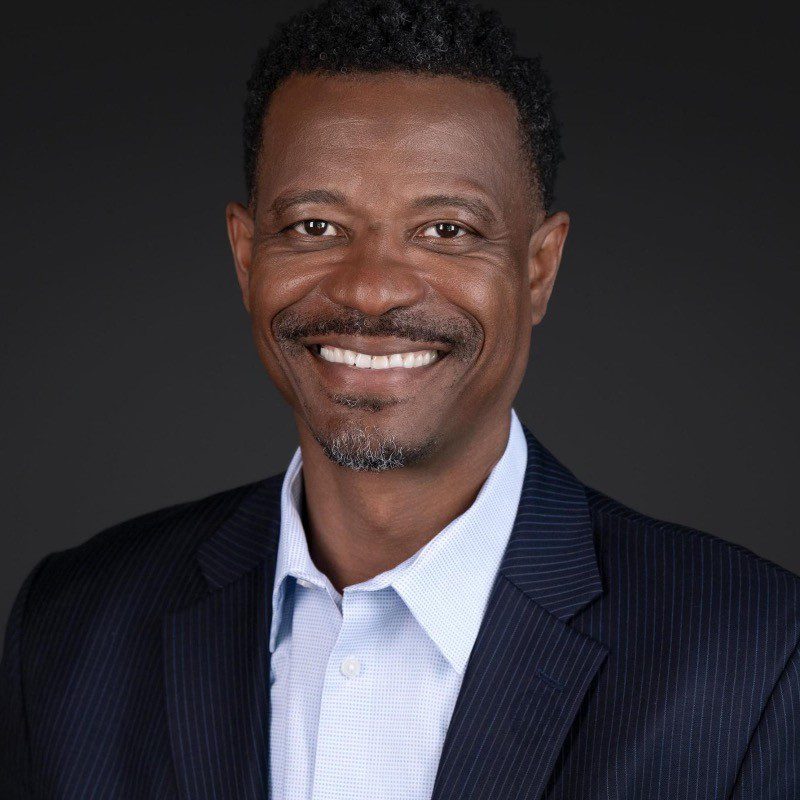
Antoine Harden
Vice President of Federal, Sonatype
Antoine Harden’s biggest recent achievement was leading Sonatype’s efforts to take secure software supply chain practices across the public sector, particularly as AI-driven software development completely reimagines the way software is created.
By collaborating closely with agency leaders and driving the adoption of cutting-edge automation and compliance solutions, Harden’s team has enabled agencies to meet critical mandates like EO 14028 while reducing risk and protecting national security.
Sonatype is also deeply aligned with the administration’s focus on reducing cost, streamlining efficiency and software development operations by providing tools that automate and streamline software development processes.
Its solutions help agencies reduce costs by identifying and remediating vulnerabilities early in the development lifecycle — this means that developers spend less time reworking builds and applications face less downtime. Sonatype also empowers agencies to deliver secure, efficient and compliant software while improving overall government efficiency.
On a personal note, Harden is proud of his daughter, who recently graduated from college and is beginning her own journey to make an impact in the world.
“Antoine has been instrumental in driving Sonatype’s federal strategy and delivering impactful results for our government partners,” said Wai Man Yau, senior vice president of worldwide sales at Sonatype. “His leadership and vision have positioned Sonatype as a trusted partner in securing the software supply chain for federal agencies.”
Why Watch
In 2025, Harden and his team are laser-focused on transforming how federal agencies build and secure software. As a leader in software composition analysis, they’ve helped agencies adopt DevSecOps practices, implement SBOM requirements, and support critical initiatives like SWFT and CMMC. They’ve also leveraged AI to proactively identify and mitigate vulnerabilities so that agencies can respond to risk with real-time intelligence, and are taking this momentum further into 2026, ensuring federal agencies remain secure, efficient and ahead of emerging threats.
“We’re at a pivotal moment in software — generative and agentic AI tools are changing the stakes in real time,” Harden said. “Our mission at Sonatype is to empower federal agencies with the tools and insights they need to build secure, resilient software systems, without slowing down innovation and reducing cost. I’m proud of the work my team has done to advance software supply chain security, support compliance initiatives, and enable the government’s critical missions.”
Fun fact: Harden spends his free time cooking and golfing. He was once on the game show “The Weakest Link,” and lost because he couldn’t name all the members of the Friends cast — “I missed Ross!” he said.

Arjun Sanyal
Regional Vice President, Public Sector Channel, Ivanti
Arjun Sanyal recently moved back into a public sector–focused role, giving him the chance to build on progress made in recent years while leading a team of strong contributors. He is excited to see how their skills will continue to strengthen Ivanti’s Partner Program and support the mission of partners and public sector customers.
The government’s push for greater efficiency, streamlined operations and lower costs aligns directly with Ivanti’s mission. Ivanti solutions support vendor consolidation for simpler acquisitions and create economies of scale that drive meaningful cost savings. With Ivanti tools, public sector organizations can advance outcomes that reflect administration priorities and the specific needs of government customers.
Cost containment, efficiency and security will continue to shape government IT. Ivanti and its partners remain focused on delivering solutions that turn those priorities into measurable results for agencies. The company has partnered with Project Hosts to accelerate FedRAMP High certification for the Ivanti Neurons Platform and Ivanti Neurons for MDM with Access. The partnership allows Ivanti to leverage Project Hosts’ existing FedRAMP High and Defense Department Impact Level 5 certified environment to meet the federal government’s highest security standards. Ivanti Neurons Platform and Ivanti Neurons for MDM with Access are currently listed under Project Hosts as “in the process of achieving a FedRAMP High certification” on the FedRAMP Marketplace.
“Arjun has played a pivotal role in aligning Ivanti’s solutions with federal priorities,” said Andrew King, vice president of channels & alliances – AMER at Ivanti. “His leadership has energized partner engagement and accelerated our Public Sector strategy – driving Ivanti Neurons adoption across government agencies and elevating our partner program to deliver innovation with real-world impact.”
Why Watch
In 2026, Sanyal and his team remain committed to addressing the priorities of public sector customers and working with partners to drive positive outcomes. Through the Ivanti Neurons platform, they deliver solutions that help customers improve efficiency, reduce costs and strengthen return on investment.
Fun fact: Sanyal has always been an avid concertgoer. Outside work, he enjoys live music and supports local artists, a longtime source of inspiration beyond his professional commitments.

Carmen Krueger
Corporate Vice President, US Federal, Microsoft
Carmen Krueger’s greatest achievement continues to be leading teams that turn vision into reality. Every milestone reflects a shared commitment to innovation and impact. While she values the accomplishments behind her, she remains motivated by the opportunities ahead. Above all, the enduring relationships with family, friends and colleagues represent the highest honor of her professional and personal journey.
Microsoft’s US Federal team is focused on outcomes. At Ignite, the company’s premier user conference, it underscored the importance of measurable impact over “random acts of innovation.” Delivering outcomes for customers, citizens and warfighters is essential to keep pace with mission needs. Technology, innovation and positive change depend on the balance between human creativity and modern tools. The team understands that responsibility and works to ensure this combination leads to meaningful results. Low total cost of ownership must go hand in hand with high return on investment informed not only by technology shifts but by fundamental changes in business processes.
Why Watch
In 2026, Krueger’s team is focused on supporting frontier agencies securely by pairing responsible AI with disciplined, purposeful execution so public servants can deliver more value with less complexity. The team is aligning customer conversations to the frontier journey and reinforcing shared purpose, trust and empowered execution while keeping security at the center of every decision. Their goal is measurable gains in productivity, resilience and mission impact.
“AI transformation is not just about adopting technology; it is about reimagining how we deliver on our customers’ mission,” said Carmen Krueger, corporate vice president of, US federal at Microsoft. “Transformational AI combines purposeful execution that brings together people, processes, and technology to create secure, efficient solutions that advance our customers’ mission and deliver tangible value.”
Fun fact: Krueger is an avid coffee drinker and self-declared aficionado who loves her espresso machine. Early mornings with a strong cup may be a small ritual, but it keeps her grounded and focused on the mission.

Chris Harris
SVP Global Public Sector, DTEX
Chris Harris said DTEX’s most significant recent achievement has been securing its FedRAMP ATO, making DTEX the first and only solution in the market to achieve both FedRAMP authorization and CNSSD-504 compliance. The milestone reflects the team’s dedication and collaboration and marks a pivotal moment for the company.
With this authorization, DTEX is positioned to expand insider risk management capabilities across federal agencies and deliver an innovative approach that strengthens protection for mission-critical data and national security in an increasingly complex threat landscape.
DTEX is closely aligned with the administration’s priorities to reduce costs, streamline operations and improve efficiency. The platform consolidates three traditional cybersecurity capabilities – User Activity Monitoring, User and Entity Behavior Analytics and Data Loss Prevention – into one integrated solution. This unified approach directly supports federal cybersecurity mandates and initiatives including Zero Trust 2027, CMMC and executive orders 14028, 14144 and 13587, helping agencies meet mission-critical security objectives efficiently and effectively. Backed by proven, cost-effective scalability in large enterprise environments, DTEX delivers clear value while strengthening security resilience across federal agencies.
“DTEX has made great progress working with government agencies to ensure insider risk is at the forefront of federal conversations,” said Marshall Heilman, CEO of DTEX. “Achieving FedRAMP ATO was a crucial milestone for DTEX, our federal customers, and partners, moving insider risk management to a national security priority. We’re looking forward to continuing our work with federal customers, and are proud to offer the intelligence and visibility that is required to proactively identify and mitigate insider risks before they cause mission-critical data breaches.”
Why Watch
In 2026, his team is focused on addressing insider threats by analyzing the entire spectrum of anomalous system activity, both human and non-human. As adversaries increasingly exploit employees through AI misuse, DTEX is uniquely positioned to uncover and mitigate insider risks driven by GenAI and shadow AI, which often evade detection. Without robust oversight, malicious insiders and compromised AI agents will continue to exploit identities and circumvent security controls.
“I feel incredibly fortunate to have served in the military and later supported the mission from the private sector at organizations like FireEye, Mandiant, Google, and now DTEX,” Harris said. “The unwavering commitment of the DTEX leadership team to national security inspires me every day. I am confident that DTEX Federal has the culture, expertise, and innovative capabilities needed to address every form of insider threat facing our government in 2026 and beyond.”
Fun fact: Harris graduated from the U.S. Naval Academy, where he played basketball and met his wife, now an active-duty MH-60S pilot. He served nearly six years as a Naval Surface Warfare Officer. After leaving the Navy, he wanted to stay connected to the mission and continue serving in a new way. His military experience shaped a lasting drive to protect national security, a commitment he now carries into his work in the private sector.

Dan Ford
CEO, Capgemini Government Solutions
Dan Ford led Capgemini Government Solutions to strong growth in 2025 by meeting the federal demand for outcome-driven commercial solutions. He strengthened the company’s leadership team with a focus on technology, AI and innovation, and he is proud of the company’s role in delivering speed to mission for the nation’s warfighters and national security personnel.
Ford fostered an innovation-first culture that prioritizes mission outcomes over legacy processes. He connects federal agencies to commercial-grade solutions designed to cut waste and support more efficient, agile government operations.
Why Watch
In 2026, Ford is focused on reshaping the GovCon marketplace and driving the shift from legacy delivery models to commercial-grade agentic approaches that deliver speed and agility.
“Commercial technology is at the heart of our nation’s competitive advantage and must be prioritized,” Ford said.
Fun fact: Ford is a former Division I college athlete and built an active culture at the company. You can often find him and his team cycling at the Armed Forces Cycling Challenge or running the Arlington 9/11 5K.

David Birken
Senior Vice President, Digital Modernization and Experience, ICF
For David Birken, 2025 was a year of rapid change and the ICF team met it head-on by accelerating AI adoption and digital modernization for federal clients.
They launched ICF Fathom, a suite of agentic AI federal solutions, while strengthening partnerships with agencies to deliver results through open-source innovation, low-code/no-code platforms and purpose-built solutions. This flexible, security-first approach lets agencies quickly and responsibly use the latest technologies that meet changing mission needs.
“Dave brings clarity and momentum to complex modernization efforts by keeping people at the center of digital transformation,” said Anne Choate, ICF president.
“With extensive experience in change management and organizational design, he understands how to leverage the best technologies and solutions in the context of organizational and cultural needs. Dave’s leadership builds trust with clients and empowers teams to deliver breakthrough innovation with measurable, high-value impact.”
ICF also works closely with federal clients on modernization efforts that are directly aligned with the administration’s priorities including advancing AI; integrating systems so agencies can do more with less; limiting fraud, waste, and abuse; driving greater cost and operational efficiencies; using open source for greater collaboration and transparency; and unleashing innovation.
ICF is helping agencies modernize with speed, efficiency and accountability at the core. “Our approach emphasizes flexible, production-ready platforms; strategic technology partnerships; constantly questioning the status quo; and agile delivery models that reduce risk while accelerating outcomes,” said Birken.
By integrating technology modernization with workforce strategy and experience design, ICF is helping agencies streamline operations and sustain efficiency improvements over the long term.
Why Watch
In 2026, Birken and his team are focused on delivering high-value, fit-for-purpose solutions that help agencies tackle their most complex challenges with speed and confidence. This includes modernizing critical systems, rapidly prototyping in real time, and applying automation & orchestration where it drives meaningful mission impact. They are also placing significant emphasis on leveraging open-source and GIS technologies to unlock new efficiencies, foster innovation, and provide agencies with powerful insights for decision-making.
Just as importantly, they’re embedding change management into every engagement to ensure solutions integrate seamlessly into day-to-day operations and deliver lasting value.
“We’re focused on using technology to empower agencies to achieve mission outcomes faster and more effectively. But modernization only succeeds when technology, people, and mission are aligned, which is why we emphasize change management and workforce readiness in everything we do,” said Birken. “Our role is to help agencies move with speed while keeping trust, transparency, and outcomes front and center.”
Fun fact: Birken does his best thinking while running. As an ultramarathoner, that often means an hour or two into a run in the woods. His biggest issue is then being fast enough to get home and get his ideas written down. “After 20 years of this, my family is well aware when I have new idea, as I come bursting into the house and right to my whiteboard regardless of what I have been running in or through outside,” Birken said.

Drew Schnabel
GVP & President of U.S. Government Solutions, Zscaler
Drew Schnabel led the Zscaler teams that secured FedRAMP Moderate and High authorizations and DOD Impact Level 5 certification, strengthening security for sensitive government operations. He is now driving efforts to build toward classified zero trust security solutions in 2026 to meet the highest classified environment requirements and support critical missions.
The current administration is pushing agencies to accelerate adoption of cloud services and modern applications. Zscaler delivers the zero trust security architecture agencies need to embrace SaaS securely.
Why Watch
In 2026, Zscaler’s U.S. Government Solutions team is focused on helping agencies reduce costs and streamline operations in line with administration priorities. The team is also working closely with organizations to securely integrate and manage AI, understanding its role in driving innovation and operational efficiency. The goal is to position Zscaler as the essential platform for secure, high-performance government IT in the era of cloud and AI.
Fun fact: Schnabel is a strong advocate for veterans. He serves as the executive sponsor for Vets@Z and the Skillbridge program, supporting service members transitioning into cybersecurity careers. He also mentors through Syracuse University’s Office of Veteran and Military Affairs and serves as a board member for AFCEA International.

Erin Regen
Regional Vice President, Chainalysis Government Solutions
Erin Regen’s biggest recent achievement has been advancing the use of cryptocurrency and cryptocurrency-adjacent data tracing to support the broader missions of the defense and intelligence communities.
While Chainalysis Government Solutions and its parent company, Chainalysis Inc., have long been successful in enabling the counter-threat finance and financial-intelligence teams, Regen and her team have expanded their reach into new offices and operators who can apply this data far beyond its traditional use cases.
By arming national-security customers with the tools, context and operational frameworks to leverage this intelligence, Regen and her team helped integrate crypto data as a critical asset in protecting U.S. national security interests.
Chainalysis Government Solutions is also actively aligning with the administration’s priorities by evaluating mechanisms to optimize its contract vehicles and reduce the overall cost of contracting with the company, while taking a firm stance on shifting toward multi-tenancy for on-premises customers to drive down total hosting and infrastructure expenses.
Additionally, the company is partnering with existing bulk-data and data-lake providers to ensure its offerings integrate seamlessly into broader government data solutions, improving efficiency and streamlining data access across agencies.
Why Watch
In the coming year, Regen and her team will be driving new applications of blockchain intelligence to support law enforcement, OSINT, red team operations and cybersecurity missions – turning emerging data sources into force multipliers for some of the nation’s most critical operators.
Her team brings a rare blend of experience, with members who have worked directly inside these mission spaces or supported them for more than two decades, enabling them to deliver the insight, speed, and operational understanding customers need to get up and running quickly.
“Erin is the driving force in Washington DC behind helping federal agencies leverage blockchain data to accomplish their missions,” said Wyn Elder, president & CEO of Chainalysis Government Solutions.
“As nation states, criminal organizations and transnational groups increasingly turn to digital currencies to hide their activities, Erin is out in front helping our intelligence and defense customers understand this rapidly evolving technology and mitigate the threats to US National Security.”
Fun fact: To unwind, Regen enjoys redesigning and optimizing home spaces. “As it turns out, mastering home design problems isn’t all that different from solving operational ones and things can have a totally different look and feel with minimal new additions,” she said.

Ernie Rhyne
Vice President, US Public Sector, CyberArk
CyberArk’s biggest recent achievement is its impact and growth supporting service members on projects across the Department of War and system integrators, said Ernie Rhyne. The company has expanded its ability to manage user access across systems while underscoring the importance of securing every identity with the right level of privilege controls.
CyberArk has embraced solutions that modernize operations and reduce workload. That includes automating tasks and compliance processes to save staff time for higher priorities. All efforts center on zero trust and ensuring appropriate access to sensitive and privileged data.
David McFarland, CyberArk SVP Americas, said:
“Identity Security isn’t something you buy, it’s something you do, and it takes talented people to do it right. Ernie stands out as a true guardian of public trust and integrity. His leadership in spearheading the Public Sector Team here at CyberArk has helped drive impactful risk mitigation and deliver valuable, measurable outcomes across all our public sector customers. His relentless focus on detail, with a customer-first mindset, is echoed throughout his entire team.”
Why Watch
In FY25/26, Rhyne’s team is focused on helping customers secure what proliferating human and machine identities can access while using AI to automate business processes and provide deeper insights for IT and the SOC.
“As we continue to see threats to our nation’s infrastructure and government services, “There is no higher privilege than to serve and secure our customers who serve service members and our citizens,'” he said. “Identity security is National Security.”
Fun fact: Outside work, Rhyne is passionate about traveling and exposing his family to cultures and histories around the world.

Grant Hagen
President, Warfare Systems, HII Mission Technologies
Grant Hagen is reshaping how defense capabilities are delivered to the warfighter. As president of the Warfare Systems group at HII Mission Technologies, he championed an agile, warfighter-first approach that prioritizes speed, adaptability and mission readiness. His philosophy centers on building alongside the end user, ensuring rapid deployments and incorporating real-time feedback from the field.
“Our focus is on building solutions that matter, empowering our users and delivering real results in the field,” Hagen said. “Our work is driven by three principles. First, deliver products, not PowerPoints. Second, provide capabilities instead of consulting hours. And third, prioritize warfighter needs over commercial product markups.”
Hagen’s focus in 2026 is to expand upon HII’s products enabling information systems, spectrum, munitions and logistics dominance. These products and services provide secure, scalable architectures that integrate seamlessly with mission IT and C5ISR systems, enabling rapid deployment and adaptability in contested environments. Together, these capabilities ensure warfighters gain not only speed but also multi-domain dominance.
Why Watch
Hagen’s innovation and customer focus ensure HII’s Warfare Systems remain agile, resilient and aligned with the future of defense. With a background in engineering and program management, Hagen is positioning HII Mission Technologies as a trusted partner in delivering rapid, integrated mission solutions. His vision ensures that the warfighter receives capabilities that are not only fast, but also future ready.

Harish Luthra
CEO, SAP NS2
SAP NS2’s most recent achievement is helping its federal, Defense Department and defense industrial base customers meet CMMC requirements on time through secure and compliant solutions, according to Harish Luthra.
SAP NS2 aligns closely with administration priorities by helping agencies reduce cost, modernize legacy systems and streamline operations through secure U.S.-sovereign cloud offerings. By consolidating disparate systems, automating workflows and providing real-time analytics, the company helps agencies improve efficiency, lower total cost of ownership and deliver faster, more reliable services to the warfighter and the defense industrial base. These efficiencies are paired with IL4 and IL5-ready security and compliance, ensuring agencies can modernize responsibly while meeting mission and regulatory needs.
Why Watch
In 2026, Luthra’s team is focused on accelerating AI adoption both within NS2 and across its customer base. Internally, the company is embedding AI into core processes to improve productivity, strengthen decision-making and streamline operations. For customers, NS2 is delivering secure, compliant AI capabilities that help government organizations modernize faster, reduce cost and achieve mission impact with greater speed and precision.
Fun fact: Luthra graduated from high school in Hong Kong and picked up strong ping pong skills while living there.

Jason Prow
U.S. Federal Chief Technology Officer, IBM
From federal healthcare to civilian agencies to the defense and intelligence communities, Jason Prow applies IBM’s most relevant solution offerings to build comprehensive, cost-effective answers to agencies’ toughest technical challenges. In addition to his success developing client-focused technology solutions for IBM’s federal customers, Prow has taken full ownership of IBM’s federal emerging technology incubator, oLabs.
Retained after IBM’s acquisition of Octo in late 2022, oLabs has delivered significant value to defense and intelligence clients and serves as an innovative environment for testing solutions in conditions that closely mirror real-world scenarios. Under Prow’s leadership, oLabs will expand its reach to federal civilian and healthcare clients and more tightly integrate all four properties in IBM’s Federal Labs Ecosystem. The goal is a seamless value stream from ideation to deployment for every IBM federal customer.
As for the value of IBM’s Federal Labs Ecosystem, Prow said: “One advantage of the high levels of collaboration gained with federal clients via IBM’s Federal Labs Ecosystem is that we are better able to understand what the issues truly are and co-create the best possible solutions to those issues. The result is greater scalability, security, and adaptability over time with less dependence on our support to reduce cost over time, all key desires of the current Administration. Additionally, with IBM’s robust AI and Hybrid Cloud based solutions we can move federal workers to more valuable roles within agencies and provide even more accessible, secure, and always-available citizen solutions.”
Susan Wedge, managing partner of IBM Consulting’s U.S. federal business, said: “Jason really puts our clients first in everything he does. He brings together the best of what our service lines offer into comprehensive solutions that really enhance federal agencies’ ability to serve Americans. I’m excited he’s going to broaden the value of oLabs and the rest of the Federal Labs Ecosystem in the federal market.”

Jim Lacovara
Vice President, Public Sector, Trinity Cyber, Inc.
In 2025, Jim Lacovara led Trinity Cyber’s partnerships with several of the largest federal agencies to protect major national security networks and reshape their approach to network defense. His strategic focus advanced cybersecurity outcomes for Trinity Cyber’s public sector customers. He is driving a technological and operational shift toward actively contesting malicious cyber actors through the company’s Full Content Inspection cyber defense service, which removes complex threats in real time to protect millions of users and mission-critical applications.
Trinity Cyber is supporting the current administration by delivering a common active cyber defense service through a strategic public-private partnership that unifies efforts across federal agencies. The company’s technology, delivered as-a-service, strengthens the nation’s defensive posture and imposes costs on adversaries by disrupting their operations. This model enables the administration to take a more aggressive stance against cyber actors who threaten national security.
“Jim Lacovara is a highly respected cybersecurity professional and business leader,” said Steve Ryan, founder and CEO at Trinity Cyber. “He brings a rare ability to translate complex security challenges into clear, actionable business opportunities that drive revenue and growth. His leadership, integrity, and commitment to protect our Nation’s most critical networks make him an exceptional leader for Trinity Cyber and a true force for advancing public sector cybersecurity.”
Why Watch
In 2026, Lacovara’s team is focused on accelerating growth and adoption of Trinity Cyber’s Full Content Inspection technology across public sector organizations to strengthen national cyber capability.
“In 2025, we developed several very effective federal partnerships and the results have been transformative to cybersecurity,” he said. “As we look to 2026, we are focused on building on this success and assisting other public sector organizations in making the same move to a preemptive, real-time, threat-centric approach through a strategic commercial partnership with Trinity Cyber. Due to the unique commercial “as-a-service” delivery model, as public sector adoption grows, each organization will realize the substantial benefits in joining together within a unified security plane. The result will be a significant increase in national cyber resiliency and we look forward to the opportunity to support our national cyber strategy across the breadth of the public sector.”
Fun fact: Lacovara is drawn to mountains, often extreme ones. This year, he joined an expedition team and spent two weeks in Alaska climbing Denali/McKinley. He has climbed extensively in Ecuador and across major U.S. ranges. As a tradition, he retires from mountaineering after each season until a new project inevitably pulls him back.

Kevin Woo
Vice President of Public Sector, Alteryx
Kevin Woo’s biggest recent achievement was leading the public sector team to become the fastest-growing vertical at Alteryx. His next major milestone will be achieving FedRAMP in 2026. Once authorization is secured, Alteryx will deliver a truly hybrid solution that meets agencies wherever they are in their cloud journey.
Alteryx supports federal cost-reduction and efficiency goals by automating manual data processes, reducing labor hours and improving accuracy. The platform streamlines operations through self-service analytics that break down data silos and speed decision-making. It also boosts government efficiency by enabling faster audits, stronger oversight and predictive modeling for better resource allocation.
“Alteryx is committed to enabling breakthroughs and accelerating insights across the public sector’s most critical data,” said Derek Bates, SVP of the Americas at Alteryx. “Kevin’s team fulfills that mission by helping agencies at every level realize the full potential of their data. Kevin’s passion is infectious, and his mission driven approach aligns well to the market he serves.”
Why Watch
Woo’s team is focused on helping agencies transform fragmented, legacy and siloed data into AI-ready datasets that support mission outcomes without requiring advanced coding skills. The Alteryx platform automates data preparation, governance and validation so agencies can feed trusted data into secure and compliant AI models. The goal is to help federal, state and local organizations deploy responsible AI faster, reduce risk and unlock greater value from existing data investments.
“What we’ve built at Alteryx is truly exceptional, and our Public Sector team takes great pride in serving this mission-driven market,” Woo said. “We operate with a no-fail mindset because our customers’ missions depend on it.”
Fun fact: This summer, Woo experienced his first concert at Red Rocks as the Beach Boys performed, a bucket-list moment he shared with his wife, three kids and his parents.

Lynn Martin
General Manager, Workday Government
Lynn Martin’s most significant recent achievement is advancing Workday’s partnership with the intelligence community by introducing a secure SaaS HCM platform that centralizes HR data across the workforce and enables real-time, informed decision-making by agency leaders.
Building on that momentum, Martin led the creation of Workday Government, a wholly owned subsidiary dedicated to serving the federal government and accelerating modernization efforts. The launch formalizes Workday’s commitment to government digital transformation and positions the company as a strategic partner for large-scale federal HR modernization.
“Lynn is the ideal leader to guide our customers through their modernization journey,” said Carl Eschenbach, CEO at Workday. “Her unparalleled understanding of the public sector, combined with a proven ability to drive transformation and deliver measurable results, makes her uniquely suited to lead Workday Government. Lynn’s deep commitment to skills-based hiring and efficient HR and financial management perfectly aligns with our mission to help federal agencies thrive and be mission-ready in the changing world of work.”
Why Watch
Martin is focused on leading Workday Government to drive digital transformation and help federal agencies modernize outdated HR systems to increase efficiency, reduce costs and improve the federal employee experience. The company is building on long-standing trust with agency customers, including its milestone go-live with the Energy Department, the first cabinet-level agency to adopt a comprehensive HR SaaS solution for the entire enterprise. Workday Government will continue delivering tailored functionality and expertise, including enhanced security capabilities across IL4, IL5, Secret and Top Secret environments, to meet the evolving needs of federal customers.
Fun fact: Martin says the most rewarding role she has ever held is being a mother to three daughters and a grandmother to two boys. She enjoys time with her family and sailing on the Chesapeake Bay.

Mark Senell
President of Infoblox Federal & Vice President – U.S. Public Sector
Mark Senell’s greatest recent achievement is seeing the Infoblox Public Sector team deliver a record Q1 performance, demonstrating a customer-first organization supported by mission-critical, best-of-breed technology for government.
Infoblox aligns with administration priorities on cost reduction and efficiency by unifying DNS, DHCP and IPAM through Universal DDI and operationalizing protective and encrypted DNS within governance frameworks aligned to NIST, including SP 800-81r3.
The platform reduces operational overhead, increases efficiency through automation and provides stronger asset visibility. By unifying core DDI control with policy-driven workflows, Infoblox helps agencies cut manual effort, speed troubleshooting and lower routine ticket volume.
Agencies also gain improved availability, visibility and security. Integrated context and automated detection allow earlier threat identification, strengthening mission resilience and reducing downstream workload.
“Mark Senell’s leadership, deep public sector expertise, and strategic vision continue to be instrumental in strengthening Infoblox Federal’s impact across government,” said Joe Gately, SVP of the Americas, Infoblox. “His recognition on WashingtonExec’s 2026 PubSec Leaders to Watch list is well deserved. Under Mark’s direction, Infoblox is helping agencies more effectively manage and secure critical infrastructure, modernize operations, and strengthen resilience — all while reducing costs and advancing Zero Trust and NIST-aligned security outcomes. We’re proud to see his work recognized as he continues to elevate Infoblox’s role as a trusted partner in protecting mission-critical environments.”
Why Watch
In 2026, the Infoblox Public Sector team will be focused on helping government customers unify networking and security through a single SaaS pane of glass. Infoblox brings critical infrastructure and network security together across hybrid and multi-cloud environments so agencies can modernize, automate at scale and reduce cost while improving team productivity.

Matt Chong
Senior Vice President, Public Sector, Appian
Matt Chong’s biggest achievement will be transforming Appian’s go-to-market organization to better align with the needs of public sector customers and the critical missions they support.
His team will be structured so every decision puts customers first. That includes delivering AI solutions that work and can be trusted, accelerating time to value for mission-essential capabilities and building a team rooted in government. This mission-focused approach will strengthen partnerships and accelerate adoption of transformative technologies across agencies.
Appian aligns with the administration’s priorities by embedding AI and automation directly into government processes to reduce manual effort, lower operational costs and minimize fraud, waste and abuse. The platform’s real-time insights and process intelligence streamline operations, speed decision-making and support regulatory compliance.
For example, a DOD customer now processes over $112 billion annually through Appian Contract Writing for more than 6,000 users, retiring seven legacy systems, realizing over $80 million in cost avoidance and tripling the use of the AI-powered ProcureSight tool.
“Matt brings a rare combination of deep public sector experience and bold, innovative leadership,” said Mark Dorsey, Appian chief revenue officer. “His ability to blend proven strategies with fresh approaches consistently drives transformative outcomes for government and education customers. Under his guidance, teams not only achieve impressive results but also embrace a culture of accountability, collaboration, and mission-focused impact.”
Why Watch
In 2026, Chong’s team will focus on delivering the real promise of AI-driven government modernization and addressing large-scale national challenges. Appian is the engine behind the Federal ACA Marketplace, delivering healthcare access to millions of families. The company transformed military contracting to process $17 billion annually with a 477x increase in contract actions and powers core financial systems regulating the nation’s banking industry. The next phase is supporting agencies in their shift to Enterprise AI, a transformation that will reshape culture, operations and mission execution.
“AI success isn’t about shiny tools—it’s about embedding AI into real processes to deliver measurable, mission-critical results for our public sector customers,” Chong said. “What drew me to Appian is we don’t make you choose between cutting-edge technology and business outcomes. We deliver both.
Fun fact: Most don’t know Chong grew up as a serious drummer, good enough to earn music scholarships with hopes of joining a college drumline. Today, his rhythm comes from a passion for cars and travel instead of the drum kit.

Matthew Graviss
Public Sector Chief Technology Officer, Atlassian
Atlassian recently delivered a major milestone for the federal community with the release of Atlassian Government Cloud – a secure, FedRAMP Moderate Certified cloud environment designed specifically for agency collaboration, service management, and mission operations.
Under Graviss’ leadership, Atlassian’s public sector team shaped the strategy, requirements, and customer partnerships that guided AGC from concept to launch, enabling agencies to move off of aging data center deployments and into a modern, scalable platform aligned with federal security and operational expectations. AGC creates a clear modernization runway for government teams ready to transform how they work.
Why Watch
In 2026, Atlassian is committed to helping public sector agencies work more effectively. It’s telling that 50% of U.S. government workers believe that there are better tools to carry out their missions – that’s exactly the gap Graviss’ team is working to close.
Atlassian is focused on making it easier for these agencies and partners to collaborate, share insights across teams, and keep their mission-critical data secure. Atlassian Government Cloud (AGC) gives public sector teams the tools they need, without compromising on security or compliance.
Looking ahead, Graviss and his team will continue to build on this foundation by adding new capabilities and exploring new deployment options, like FedRAMP High and Impact-Level 5, to support even more sensitive workloads, and enable every agency to better serve their mission.
Government agencies are no strangers to pressure. Every day, they face rising citizen expectations, tightening budgets, and the ongoing challenge of maintaining legacy systems that slow innovation and fragment collaboration.
Agencies that leverage resilient, cloud-based collaboration systems are not only more productive but also create a stronger foundation for future mission success. That’s what Graviss is focused on at Atlassian: making it easier for agencies to keep their information flowing, secure, and scalable, regardless of what challenges come their way.
“In government, inefficiency isn’t just frustrating, it directly impacts the mission. At the State Department, I saw firsthand how outdated workflows slow down diplomats and kept them from focusing on what matters,” Graviss said. “Atlassian Government Cloud is designed to streamline the way teams work, helping agencies move faster, reduce wasted effort, and deliver better mission outcomes.”
Fun fact: A favorite Toby Keith line of Graviss’ goes, “I ain’t as good as I once was, but I’m as good once, as I ever was.” Summer vacations on a lake in Tennessee give him a chance to prove it. His three sons are now great water skiers, but he still takes a run each year to remind them he’s not done yet.
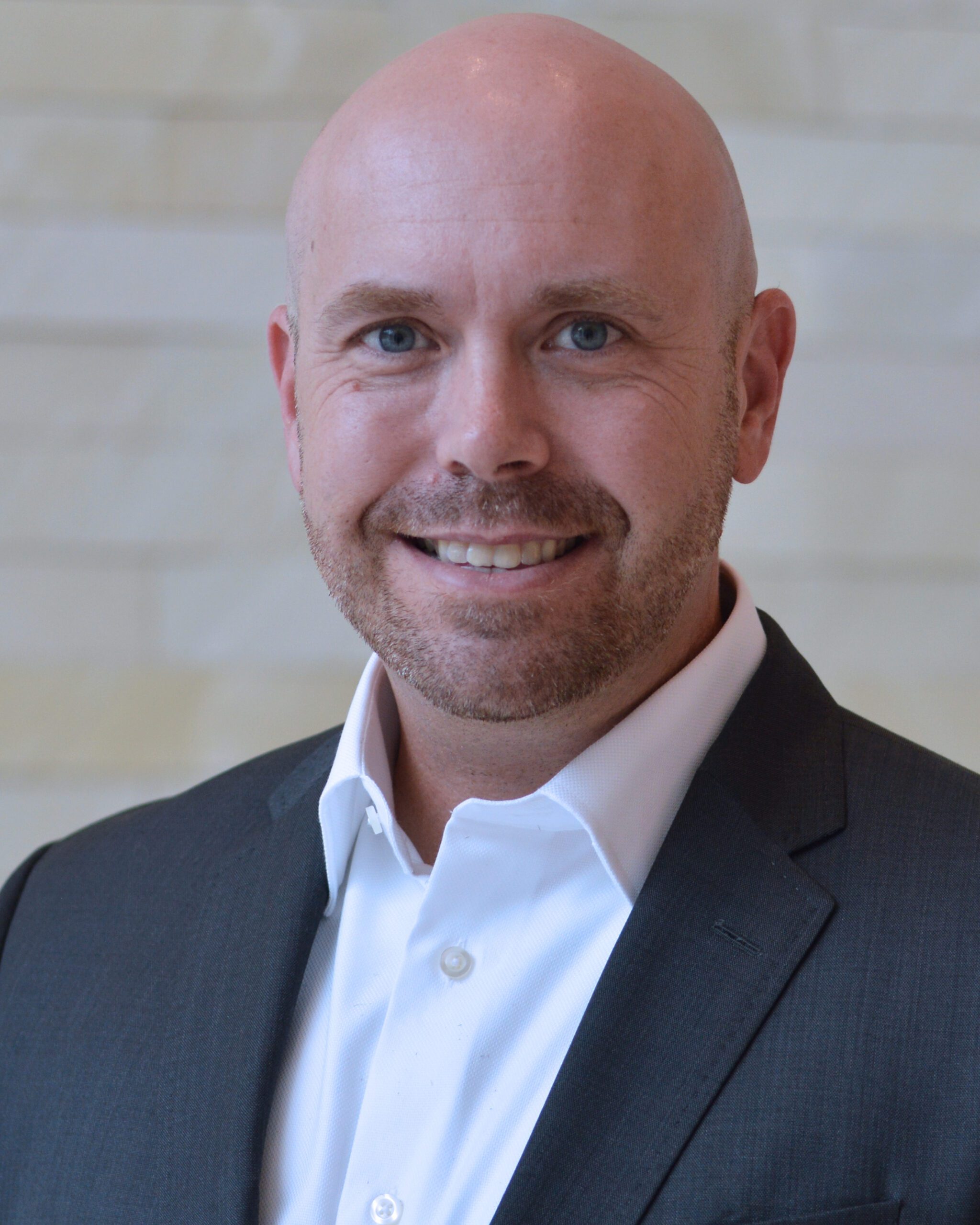
Matthew Schneider
Managing Director, U.S. Education, State and Local Government, Google Public Sector
Matthew Schneider’s biggest recent achievement was leading Google Public Sector through a breakthrough year by transforming government operations and citizen services. Under his leadership, the team deployed advanced AI to automate tasks, speed communications and streamline complex project planning across major cities and statewide agencies.
This work included equipping 27,500 City of Los Angeles employees with Gemini and accelerating AI adoption across 59 Maryland state agencies, fundamentally modernizing service delivery. The team is also building public-private partnerships with states like California to prepare the next generation, offering no-cost AI skills training for students from high school through university to support an emerging AI-ready workforce.
Google Public Sector is advancing the administration’s priorities by helping agencies, particularly at the state and local levels, improve operational efficiency. Through its agreement with GSA, the company is providing highly efficient AI platforms, including Gemini, at an industry-setting government price of $0.47 per agency.
The team is helping agencies streamline operations by automating administrative work with AI agents and Google Workspace with Gemini, freeing employees to focus on high-value tasks and improving citizen services. By modernizing legacy data systems, such as helping the Oklahoma Department of Transportation gain critical insights into bridge health, Google Public Sector is strengthening reliability, safety and affordability across essential services.
“Matt’s leadership has been transformative in the growth of our state and local government and education business,” said Karen Dahut, CEO of Google Public Sector. “His vision involves seamlessly engaging our industry partners and rapid innovation team to create solutions—whether modernizing bridge infrastructure or designing custom citizen services—ensuring we solve public sector challenges with unparalleled expertise and innovation.”
Why Watch
Google Public Sector is driving a paradigm shift by rapidly pioneering AI solutions that deliver immediate, measurable impact across government. The team is transforming critical infrastructure and improving public well-being through partnerships like its work with New York City’s Metropolitan Transportation Authority to proactively detect track defects with AI and its collaboration with the Cancer AI Alliance to accelerate life-saving discoveries.
This commitment to innovation extends to empowering agencies and educational institutions, including the University of Michigan, to build custom, secure AI agents that transform personalized teaching and learning. Google Public Sector is helping customers scale quickly from pilots to large, cost-effective deployments that redefine government and educational services.
“State and local governments, and education institutions have decisively entered the era of AI,” he said. “We’ve moved beyond traditional cloud modernization to a future powered by agentic AI that can help agencies tackle complex public sector challenges. Our mission in 2026 is to scale our services to redefine government efficiency and citizen service delivery.”
Fun fact: Schneider is a dad of three, an Ironman triathlete and a hockey coach. He applies that same focus and endurance to his personal and professional life, taking on the public sector’s complex challenges and collaborating closely with customers and teams to support the fast pace of innovation at Google Public Sector.

Melissa McGriff
VP of Federal, ServiceNow
ServiceNow’s agreement with OneGov is making life easier for the people who serve the country every day. The program gives agencies discounts of up to 70% on ServiceNow’s AI-native platform, enabling agentic AI that unifies IT, HR, security and citizen services in one low-code environment.
The impact goes beyond deploying new technology. Federal employees are cutting through busywork, getting answers faster and focusing on the parts of their job that matter most. The agreement also makes modern tools more affordable and accessible for agencies of every size, shifting the conversation from “how much will this cost?” to “how much better can we serve people?” according to Melissa McGriff.
This effort, combined with the ServiceNow Federal team’s outcome-first approach, led to the deployment of multiple agentic AI solutions to automate workflows, recommend actions and deliver predictive insights. The work is replacing legacy systems with secure, FedRAMP High and IL5-ready capabilities. Several agencies have already adopted the technology and are seeing reduced service backlogs and improved productivity.
ServiceNow is purpose-built for this moment. Since its founding in 2004, the platform has boosted productivity and created strong workplace experiences. That is as important in government as it is in the private sector. The administration’s priorities align directly with ServiceNow’s mission to streamline operations, increase efficiency and provide greater transparency. The company works across nearly every major agency to deliver intuitive, modern experiences that free employees from manual tasks so they can focus on mission-critical work and give constituents faster, easier access to services.
“Leadership that builds trust is critical as government agencies transition into the era of AI,” said Mike Hurt, GVP, US Public Sector at ServiceNow. “This moment demands more than just innovative technology. Melissa’s leadership has been a driving force in understanding unique agency challenges so that they can shape a better future with confidence.”
Why Watch
ServiceNow’s CEO often says things have never moved this fast before and will never move this slowly again. McGriff sees this as a once-in-a-generation moment, powered by AI, where technology can fully act in service of people.
Her team has taken up that challenge. They are using AI to help agencies operate like best-run businesses while staying aligned with administration priorities. ServiceNow has become the central nervous system for modern government operations, partnering with every U.S. cabinet-level agency, every branch of the military and many others. In 2026, the mission is to expand the impact of AI, accelerate modernization and continue delivering measurable outcomes that improve how government works for the people it serves.
“AI is creating a renaissance moment for American productivity,” she said. “It’s giving us all the tools to move faster, reduce waste, and focus on what matters most. When we remove complexity and modernize the systems people rely on every day, we unlock growth across the entire economy. This is a moment for renewal and forward momentum!”
Fun fact: McGriff started her career in public service. Her first job was an internship with the U.S. Coast Guard during the launch of its first service desk. Years later, her work has come full circle as she continues supporting agencies like the Coast Guard in their modernization and technology adoption efforts.

Nathan Jones
VP of Public Sector, Sonar
Nathan Jones’ biggest recent achievement is launching Sonar’s North America Government business practice, a dedicated effort to meet developers and system integrators where they are and strengthen mission support across the public sector.
The new business unit is delivering live field resources, establishing Sonar’s first government reseller and distribution agreements to speed procurement, completing the company’s first government contract submissions and advancing several Small Business Innovation Research efforts into production use cases.
As agencies follow America’s AI action plan, developers need speed, accuracy and strong guardrails. AI-generated code has enormous potential, but it also carries “garbage in, garbage out” risks. Sonar’s “vibe, then verify” principle is central to building reliable and secure AI-era software. The company’s start-left philosophy ensures verification begins with the first line of code.
“By successfully launching our North America Government practice, Nathan is fundamentally reshaping how we serve this mission-critical sector,” said Rick Harshman, CRO at Sonar. “His work, evidenced by new resources, reseller agreements, and contract submissions, demonstrates a clear vision for helping Federal agencies adopt AI code generation safely. Nathan’s deep 20-year commitment to this space, stemming from his early work in quality testing software, gives him the unique experience and passion needed to ensure Sonar is the partner of choice for a reliable, secure, and AI-driven future in government technology.”
Why Watch
In 2026, Jones’ team will focus on helping agencies adopt AI for code generation and elevate code quality as a core security priority. While agencies have made progress on software testing and analysis, Sonar aims to accelerate that work by going beyond SAST and starting left with quality built in from the beginning.
“Serving this market is a continued honor,” Jones said. “I can see the impact that my team at Sonar is having on code quality and it’s impact on mission delivery. The next generation of innovation will be fueled with AI generated code verified by SonarQube.”
Fun fact: Jones is known for his 20-year Red Hat career and AFCEA DC volunteer work, but he actually started as an intern at EMC (now Dell Technologies). He later joined Mercury Interactive, working on quality testing software before DevOps even existed as a term. He brings that background to Sonar in support of open source, quality and security.
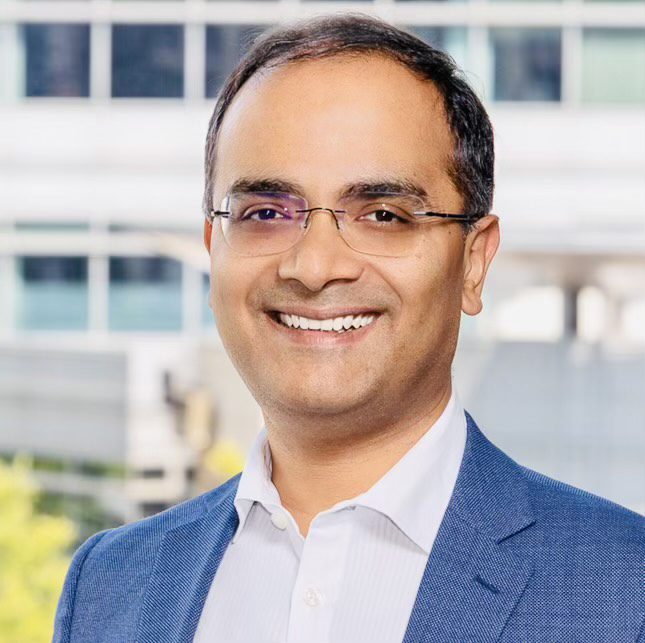
Nilanjan Sengupta
Senior Vice President/Industry Market Director, Public Sector and Healthcare, Americas, Thoughtworks
Nilanjan Sengupta’s biggest recent achievement has been energizing Thoughtworks’ Public Sector and Health business by building the right team, establishing a federal foundation and securing early wins that show strong market confidence.
The organization is now positioned to bring its strengths in data and AI as AWS Partner of the Year, software engineering excellence and commercial innovation to federal missions. The same approach trusted by Apple, Google, BMW and United Airlines is now helping agencies like the Department of Veterans Affairs accelerate transformation with measurable impact.
Thoughtworks aligns with federal priorities to reduce cost, streamline operations and improve performance. The company modernizes incrementally to cut technical debt, increase automation and strengthen digital service delivery. Its focus is simple: deliver more capability, faster, at lower cost to taxpayers.
Why Watch
In 2026, Sengupta’s team is focused on delivering faster mission results through a “thin-slice” modernization strategy that breaks large legacy systems into small, high-impact increments. The approach lowers cost and risk while delivering real capability to users in months, not years.
“We’re helping federal leaders strategically adopt cloud and AI in practical, secure, and mission-focused ways,” Sengupta said. “Innovation only matters when it reaches the people who depend on government services — and reaches them faster.”
Fun fact: Sengupta writes and reads poetry, a practice that helps him view complex challenges through a more human lens. It informs how he guides technology decisions with creativity, empathy and real-world impact.

Richard Wajsgras
Vice President, U.S. Public Sector, Groq
Richard Wajsgras’ biggest achievement will be building a world-class public sector organization at Groq dedicated to delivering the full value of North American-made deterministic AI to the U.S. government and public sector.
A core part of that mission is supporting the American AI Action Plan, especially the “Build American AI Infrastructure” pillar. Groq is deploying fast, secure and energy-efficient compute to strengthen U.S. leadership in AI. Wajsgras is building a top-tier team focused on mission success and on bringing Groq technology to the intelligence community, the Defense Department and civilian agencies that serve the public every day.
Groq supports the administration’s goals by providing deterministic, ultra-efficient, domestically made AI compute that cuts cost per token, removes latency variability and reduces power consumption. By simplifying the compiler-to-hardware stack and enabling mission-speed inference, Groq is helping agencies deploy AI faster, more reliably and at lower cost in line with national efforts to restore American semiconductor leadership and strengthen resilience.
“In just a few months, Rich has had a significant impact on our public sector business,” said Ian Andrews, chief revenue officer at Groq. “He’s been building a high-caliber team, fostering and formalizing key partnerships, and has already secured new customers while deepening support for existing ones. Most importantly, he’s putting us in a strong position for success and ensuring we succeed in this market for years to come.”
Why Watch
In 2026, Wajsgras’ team is focused on changing how federal agencies and the public sector experience AI by making inference faster, more predictable and more affordable through Groq’s deterministic platform. The team aims to deliver low-latency, power-efficient compute that reduces cost, strengthens domestic supply chains and keeps the U.S., not its adversaries, setting the global standard for AI performance and trust. By aligning with the American AI Action Plan and its “Build American AI Infrastructure” priority, Groq is helping ensure the next generation of AI infrastructure is built in the United States and ready for mission needs.
“My priority is to build a world-class public sector team at Groq that turns American-made, deterministic AI into real operational advantage for our warfighters, intelligence professionals, and public servants,” he said. “As Winston Churchill reminded us, ‘It is not enough that we do our best; sometimes we must do what is
required’—and in this moment, what’s required is American leadership in AI.”
Fun fact: Wajsgras was physically present on April 12, 1981, for the first Space Shuttle launch, the maiden flight of the world’s first reusable human-piloted spacecraft. His father was a NASA engineer and lead power systems engineer for the Hubble Space Telescope. Standing beside him that day and feeling the booster rockets shake the ground sparked Wajsgras’ passion for American innovation, shaped his decision to pursue a technical degree and deepened his pride in the country’s spirit of exploration and excellence.
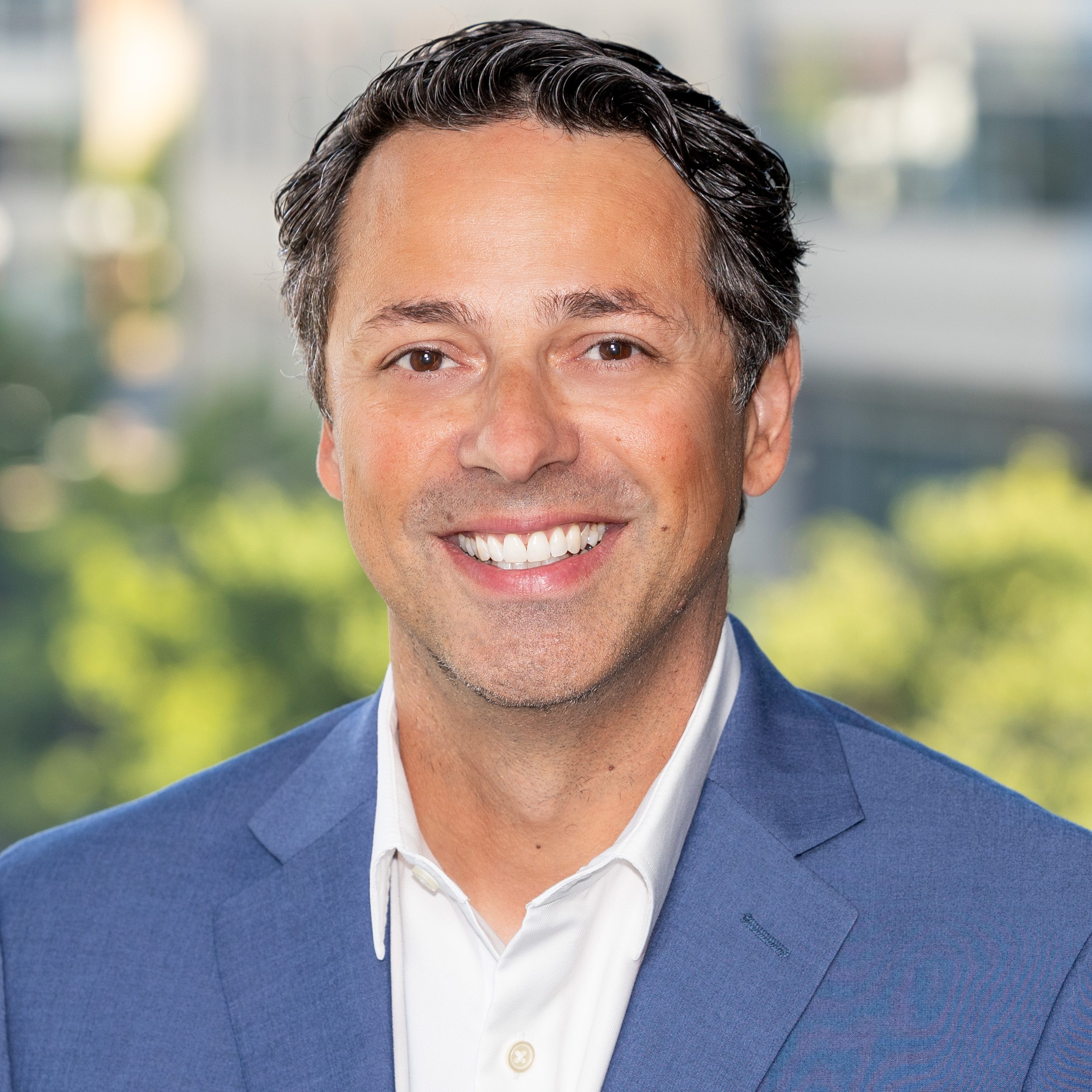
Ron Ash
CEO, Accenture Federal Services
Ron Ash said Accenture Federal Services’ biggest recent achievement was doubling down on technology and partnerships, expanding its ecosystem and new-venture network, and growing The Forge, the company’s hub for federal reinvention.
The team added more commercial technology, more AI and more mission-ready experiences that show federal leaders what is possible now and how to deliver real solutions in weeks or months, not years. Ash said hundreds of clients visited this year and left energized by the speed, scale and impact the company can help them achieve.
Accenture Federal Services sees commercial technology as the fastest path to modernization and continues to find new ways to help agencies access the full power of Accenture and “federalize” commercial IP faster. The company brings the same competitive drive and technical edge it uses with Fortune 500 customers, treating the federal government like the enterprise it is. Ash pointed to work with Palantir as an example: in less than four days, the team built four prototype solutions in health, logistics, defense and finance that address real-world needs.
Why Watch
Ash said warfighters and the federal workforce deserve cutting-edge capability wherever and whenever they need it. The company is focused on deploying AI and commercial technology faster across the enterprise, because that is where real value is unlocked and where new advantage can be created for warfighters, Veterans and the public. Accenture Federal Services is taking that capability to the edge with forward engineering, mission expertise and an ecosystem designed to turn commercial innovation into mission impact across domains from space to health to homeland security.
Fun fact: Ash is obsessed with what is next in technology, from quantum to biofabrication to robotics. He is currently following the intergalactic 3I/ATLAS mission. He says the speed of breakthrough technology inspires him and pushes him to go deep fast, because staying ahead matters for clients and teams. The companies that thrive, he believes, are the ones that lean into change, stay curious and help their people adapt just as quickly.

Stuart Levy
Vice President of Identity, TransUnion Public Sector
For more than 20 years, Stuart Levy has worked to transform user access to government services, beginning with the creation of the NIST Digital Identity Guidelines. Levy said he is “proud to have directly contributed thought leadership as this standard has continued to evolve” and “honored to have served most of civilian and military government’s largest and most complex needs” throughout his career.
In his role at TransUnion Public Sector, Levy oversees the full spectrum of identity efforts, including emerging customer needs, product evolution and customer success. The transformation of TransUnion’s identity verification suite, TruValidate, along with heightened government privacy and information security requirements, created the opportunity for Levy to lead the development of a dedicated service delivery platform based on FedRAMP standards. The platform went into production in 2025 and completed its first Security Assessment Report.
TransUnion’s data assets and high-performance applications position the company to deliver anti-fraud solutions that minimize deployment burden. Combined with deep market experience, these capabilities help agencies reduce reliance on costly manual services in favor of automated processes across digital and call center operations.
Why Watch
Levy is focused on continuing development of TransUnion’s FedRAMP platform, TruValidate for Government, through 2026. The system will benefit from new technologies and capabilities designed to improve reporting, increase customer self-determination and expand collaboration potential.
“Our goal is to deliver high performance outcomes to agencies seeking to enhance consumer user services using data accuracy, innovative technology and mission focused implementation management,” he said. “We think that our resilient supply chain and attention to customer service puts us in a great position to continue to deliver on this goal.”

Thiyagu Ramasamy
Head of Public Sector, Anthropic
Thiyagu Ramasamy’s biggest recent achievement was building a high-performing, mission-focused team that brought Claude to the U.S. government.
In under a year, Claude has been extended to 10,000 scientists at Lawrence Livermore National Laboratory, supported a $200 million Defense Department agreement to prototype frontier AI for national security missions, and reached all three branches of government through a partnership with GSA OneGov. Anthropic also introduced Claude Gov models built for classified environments and partnered with the State of Maryland to deploy AI tools that help connect six million residents with essential benefits.
Ramasamy said the U.S. public sector should have access to the most advanced AI capabilities to meet complex mission needs, from scientific research to constituent services. By pairing accessibility with strict security standards, Anthropic aims to ensure AI serves the public interest. The company is working directly with government organizations to accelerate adoption, including through the GSA OneGov partnership that extended Claude across all branches of government for $1. Anthropic has also participated in White House efforts such as the CMS Health Tech Ecosystem pledge and the AI Education Taskforce.
Why Watch
In 2026, Ramasamy’s team will continue working closely with agencies to help them harness AI’s potential in support of critical missions. The focus is on understanding agency challenges, deploying Claude in secure environments that meet federal compliance requirements and helping teams integrate AI into daily operations. Anthropic’s public sector mission is to help government organizations adopt safe, trustworthy AI at speed.
“We’re committed to meeting government customers where they operate, delivering frontier AI across every network and compliance environment, from unclassified to classified,” he said.

Tiffany Kim
Public Sector Sales Leader, Tines
Tiffany Kim’s biggest recent achievement was taking a leap into the unknown: leaving a large, established company to join Tines and build its public sector business from the ground up. She has built and inspired a high-performing team and stepped into the role of public spokesperson and thought leader, sharing insights on overcoming data and automation hurdles in outlets such as FedGovToday and FedScoop. Driving meaningful change at scale with a product she believes in — and helping shape the future of public sector automation — has been the most energizing chapter of her career.
Tines aligns with administration priorities by delivering intelligent workflows that cut manual effort, reduce cost and strengthen operational resilience. The platform provides a secure, scalable workflow layer that connects teams, tools and data, eliminating silos and accelerating value so agencies can shift talent to mission-critical work. With built-in governance, rapid deployment and the flexibility to support deterministic and AI-driven automation, Tines enables agencies to modernize confidently while achieving measurable efficiency gains.
“The impact Tiffany has had in such a short period of time is remarkable,” said Eoin Hinchy, Tines CEO. “She brings clarity, momentum, and a deep sense of purpose to everything she touches. Agencies trust her, our team loves working with her, and Tines is stronger because she’s here.”
Why Watch
In 2026, Kim’s team will focus on expanding the impact of Tines’ intelligent workflows as agencies face growing cybersecurity, data and mission-delivery demands. The priority is rapid time-to-value, deeper enablement and mission-aligned outcomes that matter to agencies. The goal is to set a new standard for accessible, high-impact automation in government and prove agencies can modernize without compromise.
“Stepping into Tines has been the most energizing chapter of my career, building a public sector business from the ground-up and proving the power of intelligent workflows to transform how government teams operate,” Kim said. “We’ve shown that when you give people the right tools, you unlock speed, clarity, and meaningful results. That’s the impact I’m committed to delivering every single day.”
Fun fact: Kim is an avid sourdough baker and keeps a starter that has become part of the family. She says the patience, precision and creativity it requires remind her that meaningful results — at home and at work — come from consistent care and attention.

Tim Tignor
Vice President Public Sector, Tadaweb
Tim Tignor’s biggest recent achievement was launching the U.S. subsidiary of a successful European open-source intelligence company. Building the business plan, marketing and go-to-market strategy required long days and weekends, but landing the first five customers within 12 months made the effort worthwhile. Tignor credits both his U.S. team and headquarters for supporting the work that made it possible.
Tadaweb’s software has a strong reputation for enabling analysts to focus on analysis rather than manual collection. Users automate collection tasks in the platform and use AI to draw conclusions and generate reports, resulting in more efficient teams. With competitive pricing and a streamlined workflow, customers see the platform as directly aligned with government efficiency priorities.
“In 2025, I chose Tim to execute our new strategy enabled by two U.S.-based strategic venture capital funds, accelerating our expansion into the American market,” said François Gaspard, CEO and co-founder. “With more than three decades of experience creating solutions for critical national security problems, Tim brings the mission insight and strategic intuition I need for this market.”
Why Watch
In 2026, Tadaweb will expand its product line beyond its operating system for publicly available information to a new maritime domain awareness capability. The platform will use AI to fuse publicly available information and commercially available information to deliver actionable intelligence typically found only on classified networks.
“Tadaweb’s platform is already a game changer in the PAI/OSINT space and I’m looking forward to introducing our new MDA capability in 2026 to an expanded set of customers,” he said. “In today’s constantly evolving geopolitical environment, it will be critical for national security customers to leverage advanced AI tools that leverage PAI/CAI to maintain their competitive edge.
Fun fact: For fun, Tignor channels his passion for high-performance driving by instructing enthusiasts with BMW and Porsche clubs. He also enjoys exploring the United States in his camper, so his location is often a moving target.

Tom White
Senior Director of Public Sector Partnerships, Chainguard
Chainguard’s biggest recent achievement was launching its Government Partner Program in February, Tom White said. In just six months, the program has become a cornerstone of Chainguard’s public sector strategy, driving strong demand and some of the company’s largest government deals. It has already established durable partnerships and customer relationships across federal, defense, civilian and state and local agencies.
Chainguard directly supports administration priorities by helping government customers and contractors focus on higher-value software engineering work. By sharply reducing the time agencies spend remediating open-source vulnerabilities, Chainguard’s trusted open-source stack enables teams to move from reactive maintenance to mission delivery. Customers using Chainguard get their solutions to mission faster and more securely at a fraction of the cost of handling remediation themselves.
“Securing the software supply chain has become a central pillar of federal and DoD policy, and Tom’s work has positioned Chainguard exactly where our customers need us,” said Ken Melero, regional vice president, US public sector at Chainguard. “His leadership in building the partner program ensures that government agencies and contractors have a trusted path to meeting emerging requirements. He has been instrumental in aligning Chainguard’s capabilities to the future of software development in the U.S. government.”
Why Watch
In early 2025, Chainguard focused on educating the public sector about software supply chain security, building early customer momentum and establishing a trusted brand. Less than a year later, that topic has shifted from a niche concern to a core requirement across government and DoD policy. In 2026, every company developing software for the U.S. government will be required to meet new security mandates, and Chainguard is laser-focused on supporting them.
“When joining a company, people often get enamored with the technology but it’s the team that makes the business. I joined Chainguard because I wanted to work with Ken Melero and Dan Lorenc. Yes, the technology is awesome and makes a significant impact on our customers every day, but it’s the team behind that technology that makes this company great.”
Fun fact: White loves cooking breakfast for his family. He sees it as a chance to put everything else aside and focus entirely on them and the conversation. Weekend favorites: eggs over-medium, bacon, toast with cherry jam and great coffee.

Tony D’Angelo
Vice President (Americas), Fivecast
Tony D’Angelo joined Fivecast in the spring and quickly developed a plan to scale both the business and its internal operations. The company is on a growth trajectory that requires expanding and staffing all parts of its go-to-market functions to meet client demand.
“Tony D’Angelo elevates people—his hands-on performance coaching and mentorship have sharpened our Americas public sector sales team and raised the bar,” said Dr. Brenton Cooper, CEO, Fivecast. “He’s also been pivotal in building out our pre-sales and customer success functions at Fivecast, creating a cohesive, end-to-end motion that consistently delivers for our public sector customers.”
Why Watch
Fivecast is deeply embedded with the defense, intelligence and law enforcement communities and is seeing growing demand across new public and private sector use cases. Emerging needs around insider threat, employee vetting, financial crimes and fraud are drawing more organizations to Fivecast’s capabilities.
The company acts as a force multiplier for government agencies, aligning with administration priorities to reduce cost and improve efficiency. By using AI-enabled risk analytics and automated data collection, the Fivecast platform eliminates manual searches and reduces the need for additional skilled staff, streamlining operations while expanding investigative reach.
“Leading this team has been about staying laser-focused on our mission and empowering every member to deliver impact,” D’Angelo said. “Seeing the tangible results of that collaboration—whether in advancing national security or driving operational efficiency—is what makes this work so rewarding.”

Troy Grubbs
Vice President of Public Sector, Ping Identity
As a new leader at Ping Identity, Troy Grubbs’ top priority is to partner with federal, state and local agencies to help them achieve measurable progress in modernizing their identity infrastructure.
Ping Identity aims to secure the rapidly evolving AI environment by enabling the compliant deployment of Identity for AI, securing humans, machines, and AI agents accessing critical systems. Ultimately, the company’s success lies in empowering its government partners to confidently advance their mission with trusted, modern identity solutions.
Since day one, Ping Identity has been committed to delivering identity security solutions that speak fluent government, aligned with priorities like efficiency, cost reduction and compliance. Ping Identity’s platform is built to power Zero Trust modernization and deployment flexibility, while staying lockstep with shifting mandates, all without requiring a complete rip-and-replace.
“Incremental deployments? Check. FedRAMP High? Yes, naturally. And with our investments in Identity for AI, we’re doubling down on automation that slashes administrative overhead, because less busywork means more time for, well, everything else that drives mission,” Grubbs said.
“My mission is simple: help government agencies modernize with confidence. Identity isn’t just a compliance checkbox; it’s the foundation for secure, efficient transformation. I’m here to be a partner, not just a vendor, because real progress happens when we solve the hard problems together.”
Why Watch
Grubbs and his team are committed to helping public sector partners make rapid, meaningful progress on mandates and shifting compliance demands. They are focused on enabling a trusted security posture while driving forward critical modernization efforts like Zero Trust adoption. More than just meeting regulatory requirements, their goal is to position identity as a strategic enabler, enhancing both security, operational efficiency and deployment flexibility across the enterprise.
“Under Troy’s leadership, Ping Identity will continue its long-standing commitment to the public sector, one we’ve been investing in for years, well before Zero Trust was a buzzword on the Hill,” said Mike Durso, senior vice president of Americas at Ping Identity.
“Our mission is to help government agencies turn every interaction into a trusted digital moment, delivering secure, seamless access for citizens and workers alike. It’s not just about compliance; it’s about making secure access feel effortless, even in the world’s most complex IT and regulatory environments.”
Fun fact: Most people don’t realize how much Grubbs’ 20+ years as a golfer have shaped his approach to business. Since he still struggles to make PAR on every hole, the game has given him a deep appreciation for humility and patience. “I have learned that the secret is not striving for perfection, but consistently managing the messy reality of the game,” he said. “That internalized discipline, the quiet grit I use to maintain focus even after a terrible shot, is the very same mindset I rely on to navigate and drive success in difficult business situations and complex technology transformations.”

Wray Varley
Vice President, Government, Digital Realty
When Wray Varley joined Digital Realty in 2022, the company was relatively unknown in the federal marketplace. Today, it has established strong brand recognition, built mindshare and secured business with multiple agencies and federal IT contractors. While there is still room to grow, Digital Realty is now part of partner and agency planning conversations and in 2025 expanded its focus to the SLED market.
Digital Realty supports administration priorities by delivering secure, compliant and scalable IT infrastructure that accelerates modernization. The company helps agencies move from costly legacy systems to cloud-enabled, interconnected environments. Its platform and partner ecosystem streamline operations by breaking down data silos, improving interoperability and reducing integration overhead. Its commitment to energy efficiency and sustainability reduces cost and aligns with government mandates for responsible growth.
Why Watch
More partners and agencies are inquiring about AI deployments and Digital Realty is positioned to support them with data centers engineered for ultra-high power densities and advanced cooling technologies needed for GPU-heavy AI workloads. The Digital Realty Innovation Lab gives customers and partners hands-on access to AI environments for proof-of-concept projects.
“Government contracting isn’t for the faint of heart—it demands persistence, resilience, and an understanding that success takes time, patience, and paperwork,” Varley said.
Fun fact: People often ask about the spelling of Varley’s first name. It is a family name, and he has only met one other person who spelled “Ray” with a W. He says he has grown to appreciate it because it is unique and memorable.