The health care sector remains one of the most dynamic and impactful areas in government contracting. In 2025 and into 2026, companies continued to partner with the government to improve access, affordability and quality of care; address health disparities; and strengthen public health infrastructure.
WashingtonExec’s Top Health Care Execs to Watch in 2026 recognizes leaders driving real progress in a complex, high-stakes industry. These executives are meeting key milestones, navigating policy and regulatory hurdles, and leading teams that are transforming health care through innovation and strategic execution.

Asad Akhtar
Vice President, Federal Health Practice, Everforth ECS
As the lead for Everforth ECS’ Federal Health practice, Asad Akhtar continues to support growth and operations across the departments of Health and Human Services and Veterans Affairs, as well as the Defense Health Agency.
Akhtar’s biggest achievement has been expanding the reach and impact of Everforth ECS’ Federal Health practice and its teams.
“Together, we have made incredible strides in advancing breakthrough health care innovations and enabling scientific discoveries,” he said.
Over this past year, Akhtar and his team saw great momentum in shifting from project-based work to durable solutions that can rapidly scale within the federal health ecosystem. The company’s experts built reusable capabilities, accelerators and mission applications that can be deployed quickly and adapted across agencies.
“We’ve seen incredible success in our work across HHS and the Department of War (DoW) with highly technical, scientifically advanced delivery programs,” he said.
To align with the current administration’s priorities, Everforth ECS is making major investments to transform its workforce into technologists. All levels of staff understand and have experience in deploying AI solutions to deliver better results for the American people, Akhtar said. The Federal Health practice is “full speed ahead” on transforming how it delivers.
This starts at the ground, where staff understand the benefits and pitfalls of emerging technologies and models, and can intelligently use technology-enabled resources to work faster than ever. It’s also evident at the top, where technology leaders meet with customers to discuss how to fundamentally reshape their organizations to improve delivery in the age of efficiency.
“Asad is a forward-thinking leader who pairs deep federal health expertise with a clear vision for scalable, mission-driven innovation,” said Donnie Scott, president of Everforth ECS. “His teams’ ability to translate emerging technologies like AI into practical, high-impact solutions is helping modernize government healthcare delivery and drive meaningful outcomes for both agencies and the citizens they serve.”
Why Watch
Akhtar and his teams are laser-focused on two major efforts. The first is simply staying true to their commitments to the government today, especially by helping them build the future ecosystem of the federal health workforce. This includes establishing new processes and technologies, and empowering staff, to dramatically advance the nation’s healthcare infrastructure and deliver benefits and entitlements.
The second is to pivot from their focus last year, which was to help the government explore the possibilities of AI, to fully implementing AI-empowered solutions and frameworks into everyday delivery.
“We are truly at an exciting time, both from a technology perspective as well as from a value-to-the-nation perspective,” he said. “Our teams are at the forefront of helping our government partners utilize and establish guardrails for AI and its many applications. This is a weighty responsibility, but it also grants us the opportunity to help improve how our government serves the nation, by providing better and more enduring solutions that serve Americans’ health and well-being.”

Chris Wood
Chief Growth Officer, Ad Hoc, LLC
Chris Wood’s biggest recent achievement is strategically positioning Ad Hoc as the government’s first AI-native delivery partner, moving the focus from generalized technology acquisition to measurable mission-aligned outcomes.
Replacing traditional large teams with smaller, AI-enabled expert teams delivers mission-critical solutions up to four times faster while delivering significant savings for agencies, Wood said.
Also, by integrating compliance and trust through an auditable, AI-verified pipeline from the start, Ad Hoc is helping agencies responsibly adopt cutting-edge technology to improve service reliability for millions of stakeholders.
Ad Hoc’s strategic movement toward Ad Hoc Next also directly translates the administration’s priorities into a scalable, high-speed delivery model. By moving toward smaller, higher-leverage teams and outcome-oriented structures, Ad Hoc drastically reduces long-term costs for agencies, streamlines operations to deliver results in weeks instead of months, and fundamentally improves government efficiency in mission-critical systems.
Current use cases Ad Hoc is working to solve within agencies aim to deliver results faster while eliminating redundant programs, saving taxpayer dollars.
“Chris Wood is the driving force behind Ad Hoc’s strategic expansion and mission impact. His leadership has been instrumental in securing major wins that demonstrate our commitment to delivering excellent digital services for the federal government,” said Greg Gershman, co-founder and CEO of Ad Hoc LLC. “His team’s exceptional performance led to Ad Hoc being named a 2026 Elev8 finalist and ultimately winning the award for the Enterprise Mission Leaders category. Chris embodies the vision, expertise, and relentless focus required to help agencies modernize and scale their most critical digital services.”
Why Watch
Wood and his team are heavily focused on positioning Ad Hoc to guide federal health agencies in safely adopting AI for daily mission work, shifting the conversation from general innovation to AI-enabled, human-governed delivery.
Wood and his team advise clients to apply Ad Hoc’s Activate framework, which uses a “Human Circuit Breaker” to ensure people retain full accountability, while using AI agents to accelerate delivery and ensure continuous Deterministic Compliance from the start. This verified “Glass Box” approach enables Ad Hoc’s partners to smartly apply AI to solve enterprise mission-critical challenges, delivering high-quality, auditable outcomes up to four times faster.
“One of my favorite quotes goes something like: ‘A comfort zone is a great place to be, but nothing ever grows there.’ I am a firm believer in constant learning and challenge my team to always think outside of the box, empowering them to make the decisions they need to in order to accomplish the results we are currently delivering to our federal clients,” Wood said.
Fun fact: While Wood’s professional life is all about working to solve complex agency challenges, he finds balance by escaping into the quiet complexity of nature. Wood is an avid birdwatcher, or more accurately, “a bird listener,” he said, who can identify dozens of species just by their song and calls.

Chrissy Cocrane
Senior Vice President, Health & Civilian Market, LMI
Chrissy Cocrane’s biggest recent achievement is building upon the Qualified Health Plan Directory Pilot, developed by LMI in partnership with CMS in 2025, to support the agency’s National Provider Directory.
Cocrane and her team successfully improved data accuracy by over 90% and reduced provider burden by 73% while creating the first single source of truth for healthcare provider data. This work is foundational to a more connected healthcare ecosystem, enabling patients, providers and payers to make faster, more informed decisions, Cocrane said.
In parallel, Cocrane and her team are modernizing the Veterans Crisis Line — a lifeline serving more than 1.3 million veteran interactions annually — transforming it into a resilient, digitally enabled front door to care that ensures veterans in crisis are connected to life-saving support faster, more reliably, and at a national scale.
“Chrissy brings a rare combination of analytical rigor and human-centered thinking to everything she does,” said Christen Smith, LMI chief revenue officer. “She doesn’t just understand the data and the problem we’re solving for— she understands the people behind it. Whether she’s helping shape the future of CMS’s national provider directory infrastructure or ensuring the VA is providing the best possible care for our veterans, she and her team turn complex systems and challenges into intuitive, accessible experiences that drive real, measurable change.”
In terms of aligning with the current administration’s priorities, LMI brings deep mission expertise to the toughest challenges in federal operations, helping agencies reduce costs and improve outcomes through technology-enabled transformation.
LMI modernizes legacy systems and integrates AI, advanced analytics and automation to streamline operations, unlock the value of data, and sharpen decision-making across the enterprise. The company’s solutions are scalable, secure and built around the people who rely on them most, ensuring government operates more effectively and delivers measurable results, Cocrane said.
Why Watch
Cocrane and her team are heavily focused on building on the successes of the QHP Directory Pilot’s first year of operation in Oklahoma to scale nationally, in support of CMS’ National Provider Directory, refining system usability, and optimizing adoption.
“We are also reimagining how care is accessed through next-generation, AI-enabled contact centers — bridging digital and human touchpoints to improve responsiveness, personalization, and continuity of care,” she said.
Across all of this, Cocrane and her team’s focus is on modernizing how healthcare is delivered — leveraging data, AI and human-centered design to create more equitable, efficient and patient-centered systems at scale.
“The future of healthcare isn’t just about innovation and technology — it’s about connection,” Cocrane said. “When we connect data, systems, and people in meaningful ways, we can reduce friction, expand access, and ultimately deliver better outcomes for every patient.”
Fun fact: Cocrane is training for a HYROX competition. She’s a fan because she has found that growth — personally and professionally — comes from consistently pushing beyond your comfort zone. Cocrane also serves as the national board chair for Blessings in a Backpack, fighting childhood food insecurity.
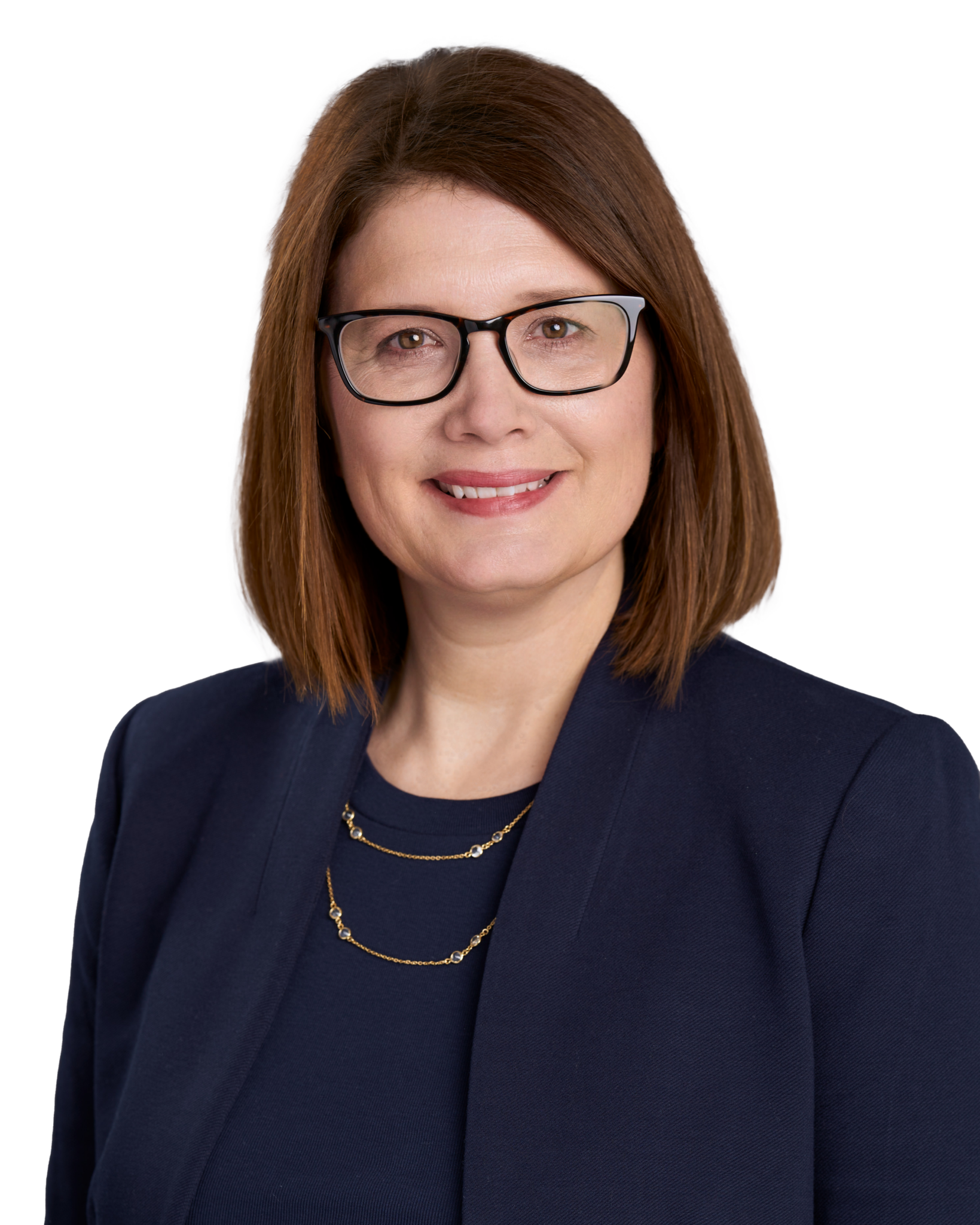
Elisa Kirkhorn
Vice President of Strategy & Growth, Chief Growth Officer, Magellan Federal
Over the past year, Elisa Kirkhorn helped build a more disciplined, mission-first growth engine for Magellan’s federal market, connecting strategy and execution to reliably scale services to support the customers and communities Magellan serves.
“We’ve strengthened our ways of working and prioritized practical, implementation-ready innovation that improves access and saves costs,” Kirkhorn said.
She’s also especially proud of building a team deeply mission-connected — veterans, military spouses and former public servants — who bring lived understanding to the work every day and translate it into solutions that meet real-world operational demands.
“Elisa has been instrumental in shaping Magellan’s long-term federal growth strategy, helping us responsibly expand our reach while staying grounded in mission, customer trust, and outcomes that truly matter,” said James Thornbrugh, president of Magellan Federal.
In terms of aligning with the current administration’s priorities, Magellan is focused on delivering exceptional service and adjusting based on measurable outcomes. Kirkhorn’s team drives disciplined execution models that strengthen readiness and resilience across the missions it supports. By standardizing how they operate, reinforcing strong governance and consistently using data to inform decisions, Kirkhorn and her team are improving performance and effectiveness. This disciplined approach allows them to deliver high-quality outcomes, operate more efficiently and be responsible stewards of taxpayer dollars.
“The work I’m most proud of is building strategies that extend access to care and translate mission intent into real, measurable outcomes at scale for the communities we serve,” Kirkhorn said.
Why Watch
In 2026, Kirkhorn and her team are focused on scaling and expanding high-impact mental health and wellbeing support for military and federal civilian populations amid sustained and increasing workforce demands. The team’s deep experience supporting these communities during periods of high operational tempo allows Magellan to deliver quickly and effectively when demand increases. “Our priority is ensuring access, quality, and continuity of care when it matters most, especially during moments of peak stress, transition, and mission complexity,” Kirkhorn said.
Fun fact: After raising four children, Kirkhorn will soon be entering a new chapter as an empty nester and taking time to reflect on how much that season shaped both her perspective and her leadership. Stepping back has reminded Kirkhorn of the value of empathy, patience and adaptability.
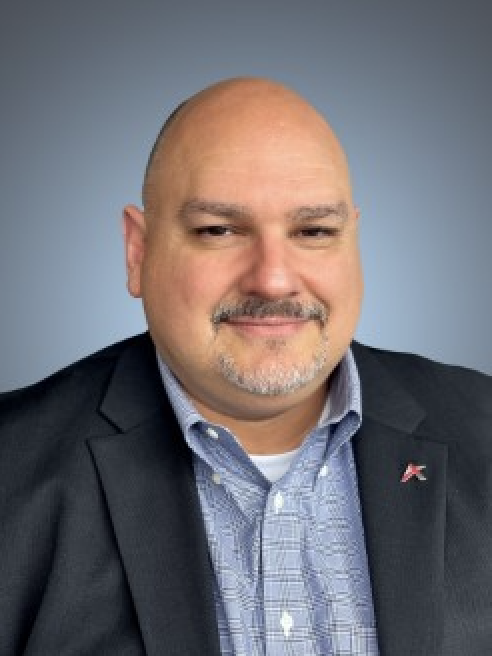
Emilio González
Vice President/Director, Digital Modernization (Federal Health), AMERICAN SYSTEMS
Emilio González’s biggest recent achievement has been leading AMERICAN SYSTEMS’ digital modernization efforts in federal health, helping customers move from isolated IT projects to integrated, mission‑driven modernization roadmaps.
Working with employee‑owners and partners, González and his team focused on modern architectures, secure cloud adoption and data‑driven operations that improve availability, resilience and user experience for clinicians, beneficiaries and program offices.
This includes supporting key Defense Health Agency and PEO DHMS initiatives where shared platforms and enterprise test environments help programs more efficiently design, integrate and validate new digital health capabilities under managed service approaches tailored for each customer’s mission and priorities.
“Emilio has been instrumental in shaping AMERICAN SYSTEMS’ approach to digital modernization across federal health,” said John Steckel, president and CEO of AMERICAN SYSTEMS. “Under his leadership, we have helped customers modernize critical systems in a way that balances innovation, security, and mission assurance. His ability to connect enterprise‑level strategy with on‑the‑ground execution is a big reason we are succeeding in this highly competitive and fast‑changing market.”
AMERICAN SYSTEMS is also aligning with the administration’s priorities by designing and operating digital health solutions that reduce duplication, automate manual processes and unlock better use of data across agencies. In federal health, that means helping customers consolidate legacy systems into more secure, scalable environments, standardize shared services, and build interoperability into the architecture so information can move where it is needed, when it is needed.
AMERICAN SYSTEMS measures success not only in technical milestones but in how much time and budget it frees up for customers to focus on their core mission: delivering better outcomes for patients and the people who care for them, González said.
Why Watch
In 2026, González and his team are heavily focused on helping federal health customers translate national‑level goals — interoperability, cost reduction and enhanced digital experiences — into practical, achievable modernization paths.
They are concentrating on initiatives that strengthen the “digital backbone” of federal healthcare, from enterprise data and cloud services to integrated test and validation environments, so agencies can deliver capabilities faster and with less risk. AMERICAN SYSTEMS aims to be the low‑risk, high‑value partner that can bridge mission, technology and acquisition, supporting modernization across defense and civilian health programs that serve service members, veterans and their families.
“Digital modernization in federal healthcare is not about chasing the newest tool; it is about building a resilient, data‑driven foundation that programs can trust for years,” González said. “I am proud of how we partner with customers to modernize in a way that is secure, affordable, and aligned with the realities of mission operations. Our focus now is to keep turning complex modernization challenges into clear, executable plans that deliver value quickly and keep improving over time.”
Fun fact: González enjoys dismantling systems to figure out how they function. That sense of curiosity led him into engineering, eventually guiding him toward federal healthcare. Even now, when managing complex programs, González is motivated to dig deep into the details, understand the challenges and create innovative, lasting solutions.

Ezmeralda Sager
Chief Strategy & Transformation Officer, Acentra Health
Ezmeralda Sager’s biggest recent achievement will be seeing Acentra Health fully transform into the next phase of its journey.
“A place where each of our leaders and employees is continually pushing the status quo to ask ‘why’ and ‘why not’ as we partner with our clients to consider bold and innovative ideas to solve their most pressing challenges at speed and at a lower cost to serve,” she said.
Acentra Health is also aligning with the current administration’s priorities by integrating its solutions with government agency needs, ensuring compliance, strengthening partnerships, and advising on policy to drive smarter decision-making. By deploying scalable technologies and automating core functions like claims processing and eligibility, the company helps state and federal clients reduce administrative costs and streamline operations.
This data-driven approach, combined with deep public sector expertise, improves efficiency and outcomes for the millions of beneficiaries who rely on public programs.
“A transformation is only as strong as the team leading it,” Sager said. “I am incredibly privileged to work with an amazing team of rock stars who collaborate on a daily basis to create and drive value for Acentra Health and our clients, while supporting our leaders and employees through significant change.”
Why Watch
In 2026, Sager and her team are heavily focused on driving the company’s Vision 2030: To be the vital healthcare solutions partner for its clients. To enable that vision, Acentra Health launched a comprehensive transformation in 2025 focused on growth, innovation, optimization, talent and culture. This fundamentally reimagines Acentra Health’s products and solutions, how it works, and how it delivers to clients.
The work Acentra Health is doing is all in an effort to make it easier and less costly for individuals to access and receive quality healthcare.
“Ezmeralda is an incredible transformation leader spearheading our enterprise-wide initiatives to optimize operations, enhance efficiency, and drive measurable value for our clients,” said Todd Stottlemyer, CEO of Acentra Health. “We are grateful for her proven track record of guiding organizations through large-scale change and creating value. What I most appreciate about Ez is her high degree of fluency in all areas of our business – from AI innovation and automation to finance and operations. Her expertise is helping Acentra Health improve performance and enhance growth.”
Fun fact: Sager and her husband love travel and racing. They combine both in their passion for Formula 1. They hope to encourage their two children to also be fans so their trips can become family adventures.
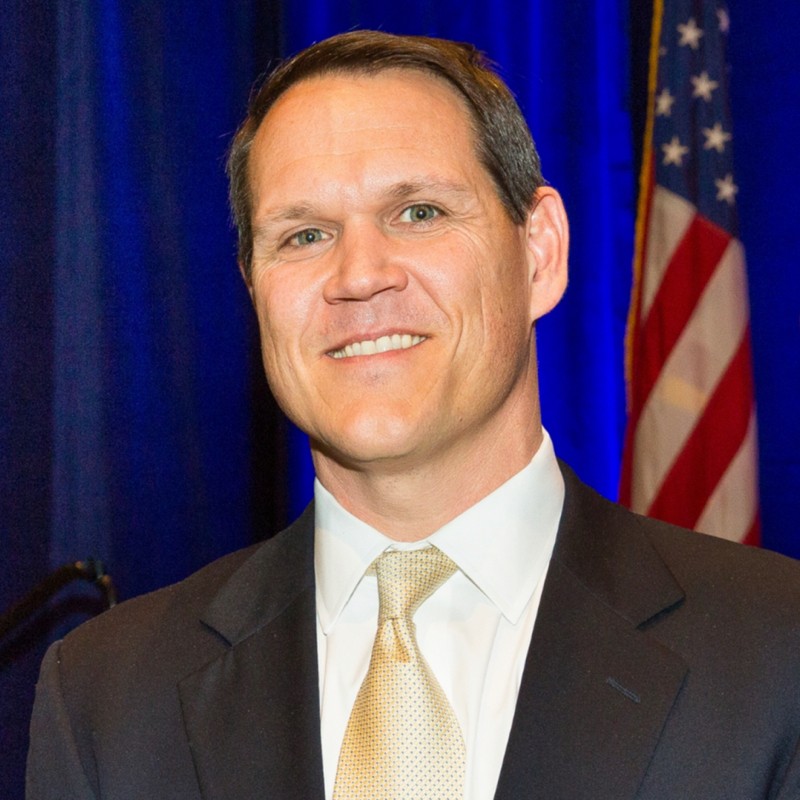
Jamie Baker
Director of Federal Civilian Health, Science and Public Policy, Amazon Web Services
Jamie Baker’s team played a central role in deploying the $1 billion AWS OneGov program, a landmark investment designed to help every federal civilian agency accelerate the migration and modernization of legacy enterprise applications.
Across the Department of Health and Human Services, multiple operating divisions became early adopters, leveraging the program to fast-track modernization of mission-critical call centers and data centers while unlocking the power of cutting-edge AI and machine learning tools. The impact has been tangible: agencies are delivering services faster, reducing operational costs and building a technology foundation that will serve the public for years to come.
“Jamie’s recognition as a Top Healthcare executive is well-deserved and reflects his exceptional leadership in driving digital transformation across the federal healthcare sector,” said Christian Hoff, director of federal civilian government at AWS. “Under Jamie’s stewardship, his team has consistently delivered innovative, mission-aligned solutions that empower healthcare organizations across HHS, VA, and Military Health to modernize their operations, strengthen cybersecurity posture, and enhance patient care. His commitment to excellence, deep understanding of our customers’ missions, and ability to translate complex technology into real-world impact has been instrumental in advancing healthcare modernization initiatives that make a meaningful difference in people’s lives.”
The current administration’s focus on reducing cost, streamlining operations and improving government efficiency is precisely what cloud technology was designed to deliver, and it’s where AWS excels, Baker said.
The AWS Federal Health team is partnering with agencies to retire aging, costly infrastructure and replace it with secure, scalable cloud solutions. They are embedding AI and agentic frameworks into day-to-day operations to automate labor-intensive processes, accelerate decision-making, and proactively detect fraud, waste and abuse at a scale that was previously impossible.
Work that once took months is now accomplished in days, which frees up resources, improves mission outcomes and saves taxpayer dollars.
Why Watch
In 2026, Baker and his team are laser-focused on helping federal health agencies deploy transformative technology solutions across four high-impact mission areas: contact center modernization, data center optimization, supply chain resilience, and fraud, waste and abuse prevention.
Central to every initiative is AWS’ deliberate use of large language models and agentic AI frameworks, not as science experiments, but as practical tools already driving measurable outcomes. AWS works hand-in-hand with agency leaders to move from proof-of-concept to production at scale, ensuring advanced AI capabilities translate directly into better service delivery, stronger oversight and significant cost savings for the American taxpayer.
“Leading the AWS Federal Health team is one of the great privileges of my career,” Baker said. “This team brings an unmatched combination of technical depth, creative problem-solving, and genuine passion for mission. Every day, we wake up knowing that the work we do directly contributes to better healthcare outcomes for veterans, active-duty service members, and millions of Americans who depend on federal health programs. That sense of purpose is what fuels this team to push boundaries, challenge the status quo, and deliver results that truly matter.”
Fun fact: Born and raised in Washington, Baker is a lifelong tinkerer and engineer who loves building and fixing things. But his favorite role is being a dad to four amazing kids — he never misses a chance to be part of their activities.
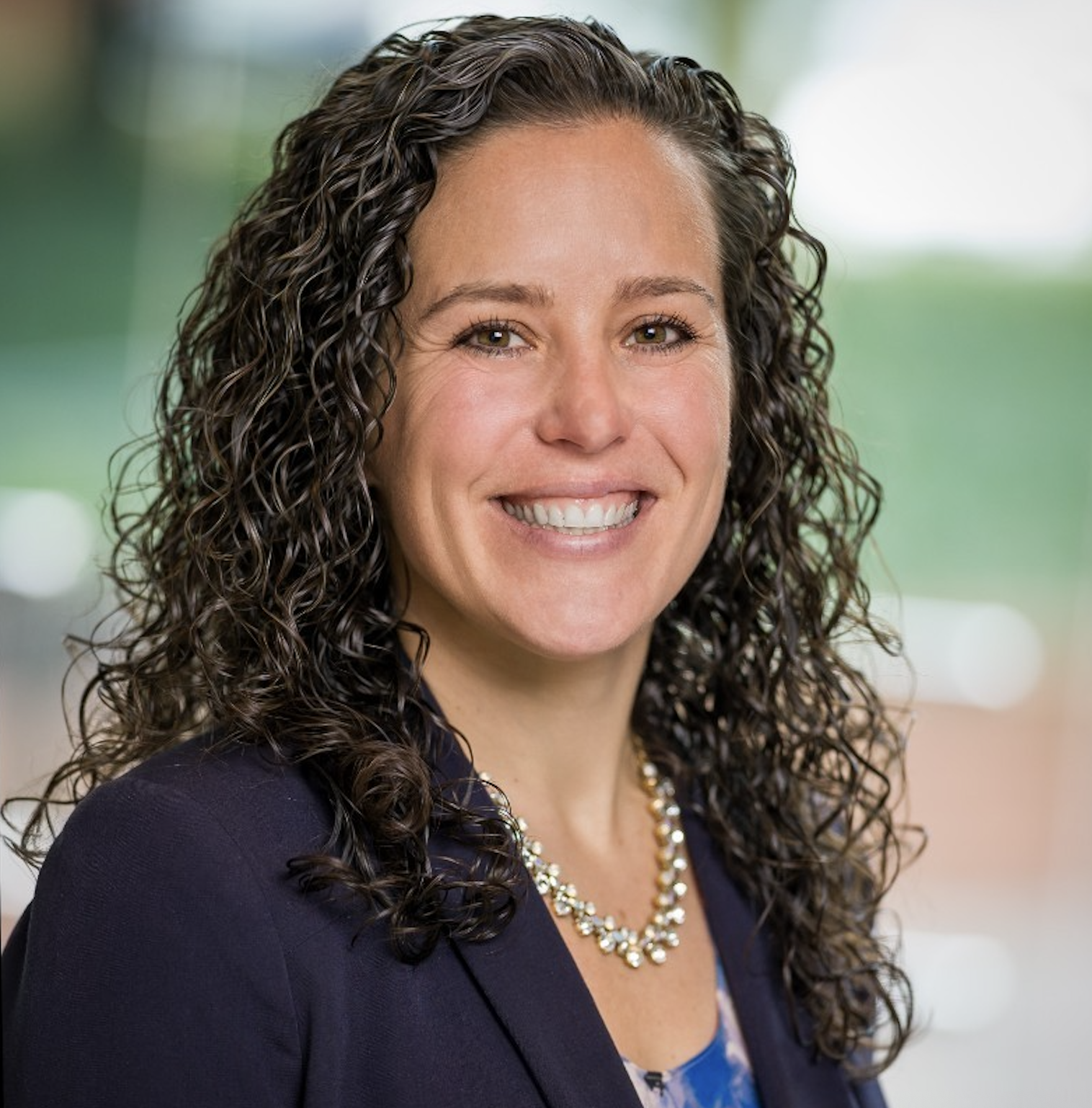
Jordan Parsons
CEO & Co-Founder, GovAllies
Jordan Parsons co-founded and scaled GovAllies into a trusted partner supporting federal agencies at a time of significant transformation. In a short period, GovAllies built a model that integrates strategy, delivery and emerging technology to help agencies modernize and improve mission outcomes. GovAllies also assembled a team deeply committed to public service and delivering results that matter.
“Jordan brings a rare combination of strategic vision and operational discipline,” said Wendy Myers, president and chief solutions officer at GovAllies. “Together, we have built GovAllies with a clear focus on delivering meaningful outcomes for our clients, and Jordan’s leadership continues to position the company as a trusted partner during a critical time of change across the federal health landscape.”
GovAllies is also aligned with the administration’s focus on efficiency and accountability by helping agencies reimagine how work gets done, Parsons said. GovAllies focuses on redesigning operating models, empowering leaders, improving data visibility and integrating technology in ways that reduce redundancy, strengthen decision-making and deliver measurable results. GovAllies’ approach emphasizes practical implementation, ensuring that investments lead to real cost savings, improved performance and better mission outcomes for the public.
“We’re at a moment where the pressure on government to deliver faster, smarter and more efficiently has never been higher,” Parsons said. “Our focus at GovAllies is making sure that transformation efforts don’t stop at strategy, but translate into real, measurable outcomes that improve how agencies operate, empower their workforce, and serve the public.”
Why Watch
In 2026, Parsons and her team are focused on helping federal health agencies move faster from strategy to execution, particularly in areas like AI adoption, data-driven decision-making and operational transformation. Their priority is ensuring innovation translates into measurable outcomes, not just concepts or pilots. GovAllies is also investing in how to scale impact, expanding its team and capabilities to meet growing demand across the federal landscape.
Fun fact: Parsons was a softball collegiate athlete (Go Bulldogs!), which continues to shape how she approaches leadership, resilience and teamwork today. She enjoys building — whether it’s a company, a team or a new idea from the ground up.
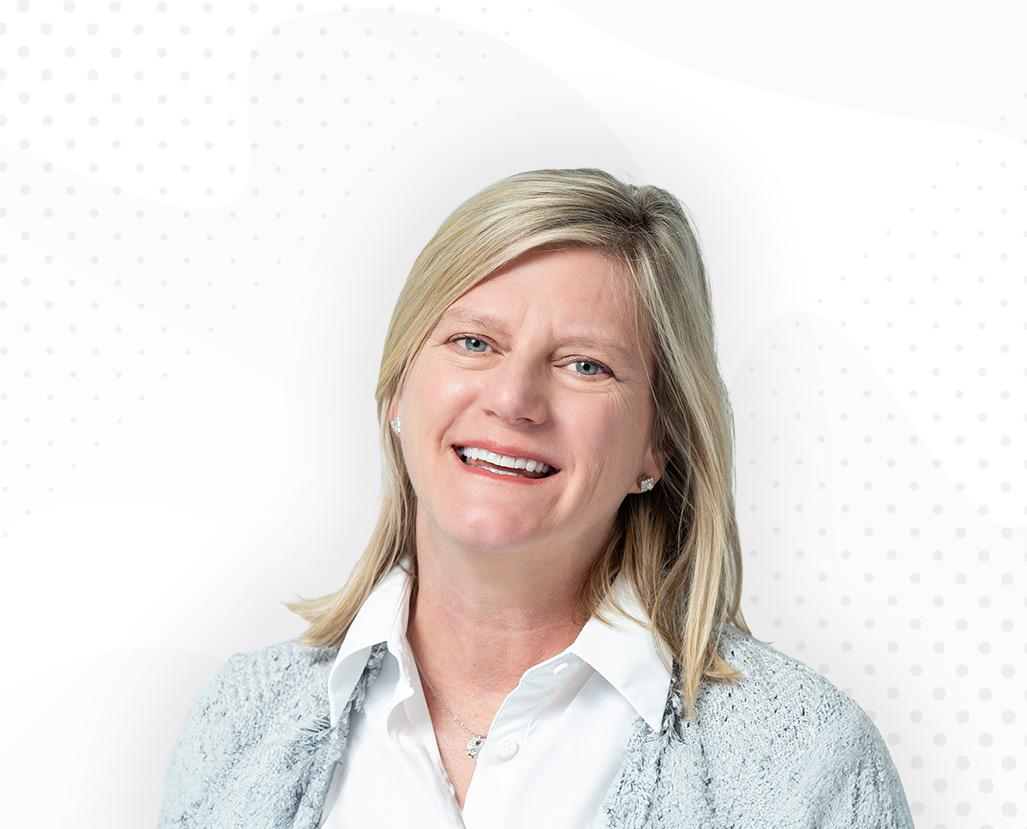
Kelley Harar
Vice President, Military Health, Maximus
Kelley Harar’s biggest recent achievement was building and scaling a more personalized, proactive approach to federal health ecosystems. Harar and her team are integrating interoperable data, AI and human oversight to deliver patient-centered experiences that meet the needs of service members, military families, veterans and caregivers wherever they are across the federal health system.
This work is driving a shift from reactive services to anticipatory, outcomes-driven support that reduces administrative burden for beneficiaries and providers.
“Kelley’s career has been defined by a commitment to delivering personalized, patient-centered health services at scale for federal agencies,” said Monica Rosser, executive managing director of federal health at Maximus. “She now brings that same dedication to leading the evolution in how agencies build and sustain the readiness, resilience and response capabilities required to serve the people who depend on them most.”
As federal health is in a perfect storm of rising costs, doctor shortages and an aging population, Maximus helps ease that burden by relying on the technology and data that move information through systems, Harar said. Maximus partners with federal health agencies on the work that bends the curve: streamlining workflows, supporting decisions made with complete evidence, and surfacing the right information at the right moment, Harar said. Quality and efficiency are achieved with this approach, aligning with the administration’s priorities to reduce federal spending.
“Keeping the patient at the center of the health care system is what every other decision flows from — accuracy is what builds trust, and trust is what makes the system work,” Harar said. “Our job is to reduce complexity for improved health outcomes: ensure there is no wrong door to get access to care, capture critical information up front, move it through the encounter, and enable clinicians to focus on the needs of the patient, not the paperwork around them. That’s the principle behind every decision my team makes.”
Why Watch
In 2026, Harar and the Federal Health team are focused on programs supporting readiness, resilience and response across federal health systems by transforming how care is accessed and understood. They are embedding AI and interoperable data to accelerate evidence flow, detect early signals and support proactive clinical intervention. The result is a more resilient health ecosystem that strengthens force readiness and delivers timely, mission-critical care.
Fun fact: International travel helps Harar build perspective and resilience. Navigating unfamiliar places and cultures throughout Asia and Europe has taught her to stay adaptable, make decisions quickly and remain grounded in uncertainty.
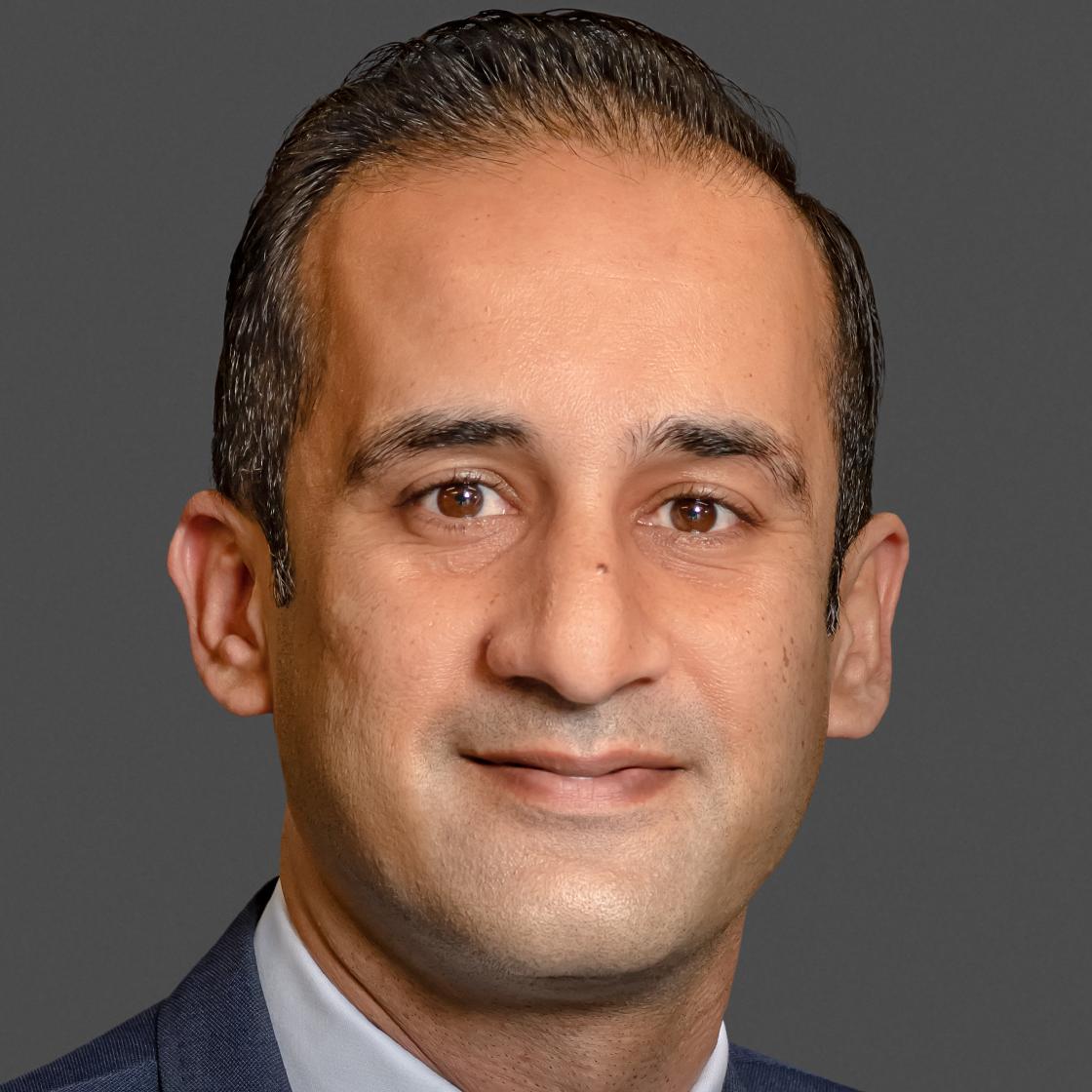
Masood Ahmed
Vice President, Government Solutions, Health & Services Sector, Leidos
Masood Ahmed’s biggest recent achievement was advancing integrated solutions that combine mission software, data science and scientific research to improve outcomes for government agencies.
A key example is Leidos’ effort supporting Medicaid implementation in North Dakota, where Ahmed and his team launched a cloud-based platform built in just 12 weeks and implemented over 18 months, meeting timeline and budget. This work is helping agencies modernize systems, improve interoperability and better serve communities.
“Masood is a strategic and energetic leader who not only drives his team to deliver results but actively listens and empowers them along the way,” said Carla Cernigliaro, senior vice president of government services at Leidos. “His focus on integrating mission software, data science and research has already produced measurable impact, including rapid, successful program delivery like the North Dakota Medicaid platform. He is deeply committed to making a difference, and that commitment is evident in both his leadership and the outcomes his team achieves.”
Leidos is also aligning with administration priorities by modernizing systems, streamlining operations and applying data-driven approaches to reduce costs. A strong example is the company’s longstanding support of CDC’s National Healthcare Safety Network, which serves over 39,000 healthcare facilities and 174,000 users with a single, standardized platform for tracking infections and patient safety. By integrating reporting, improving data accessibility and enabling faster public health response, Leidos helps reduce administrative burden and drive more efficient, transparent government operations.
Why Watch
In 2026, Ahmed and his team are focused on turning data into actionable insights that improve outcomes and operational performance. Building on efforts like Leidos’ North Dakota Medicaid platform, they are scaling AI/ML, advanced analytics and interoperable data systems to enable faster, more coordinated decision-making. At the same time, they are strengthening end-to-end capabilities from research through evaluation to deliver measurable impact.
“Our mission demands tenacity and a commitment to excellence — we don’t just meet challenges, we outsmart them and outdo expectations to deliver real impact,” Ahmed said.
Fun fact: Ahmed gets asked often why he moved to NoVA from Australia. He believes challenging oneself is the essential catalyst for personal growth, transforming discomfort into strength and potential into reality.

Mike Namvar
Senior Director, Federal Healthcare, Intel
Mike Namvar leads a portfolio exceeding $250 million, spanning endpoint, data center, cloud, AI and high-performance computing solutions. He’s responsible for ensuring the nation’s most critical health care systems serving the public, service members and veterans are powered by secure, high-performance technologies that enable better outcomes and mission readiness.
Namvar is known for his commitment to customer service and partnership, working closely with federal agencies to deliver tailored compute solutions that meet evolving mission needs. By bringing Intel’s engineering expertise directly to customers, his team helps agencies and organizations evaluate options, optimize performance, and implement the right technologies to modernize infrastructure and advance new capabilities.
Under his leadership, Intel supports innovation across federal health care, including AI-enabled diagnostics, advanced medical imaging, and scalable infrastructure for clinical and research environments. He also aligns these efforts with national priorities, including strengthening domestic semiconductor manufacturing and ensuring secure, resilient access to critical technologies.
“Mike brings a rare blend of mission understanding and genuine passion for improving solution delivery across federal health care,” said Greg Clifton, general manager of federal sales at Intel. “He’s a trusted leader who delivers results while never losing sight of the people we serve: our veterans, service members and communities.”
Why Watch
In 2026, Namvar is focused on expanding Intel’s role as a strategic partner to federal health care agencies by scaling access to AI and high-performance computing. Working with ecosystem partners, his team is delivering flexible solutions that improve care delivery, accelerate research and enhance quality of life, while reinforcing secure, U.S.-based manufacturing leadership.
Fun fact: Namvar is a true local, having attended elementary school, high school and college all within a 1-mile radius. Today, he leads Intel’s federal healthcare team from its Fairfax office, still within that same mile.
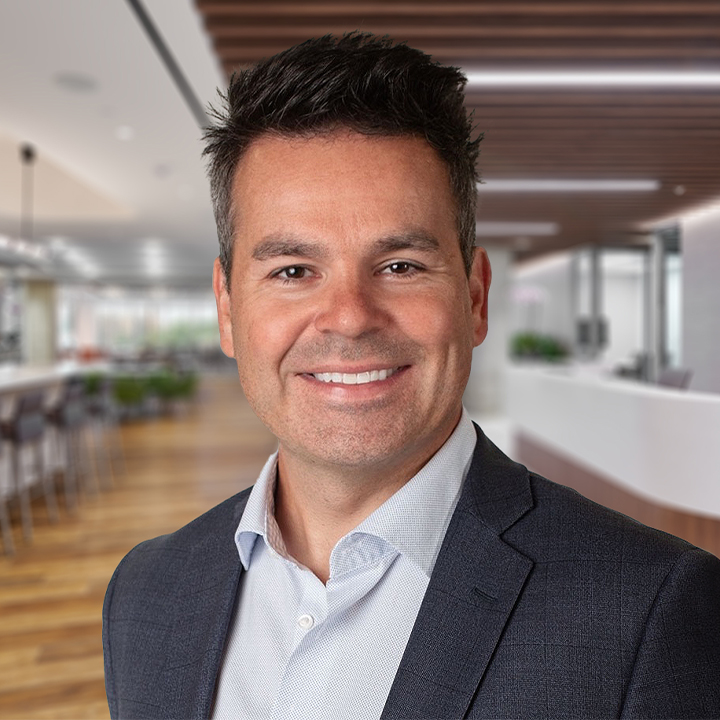
Dr. Roman Salasznyk
Partner, Federal Health, Guidehouse
Dr. Roman Salasznyk’s greatest achievement this past year was working with integrated, multidisciplinary teams to deliver transformative solutions at scale across the payer, provider and public health enterprise. The approach empowered federal health clients to strengthen mission performance, modernize IT service delivery and support government health programs of national importance.
As a leader in Guidehouse’s Federal Health practice, Salasznyk and his team draw on the firm’s public and commercial sector expertise to help federal health, benefits, and human services agencies deliver lasting innovation.
As the federal government is undertaking significant initiatives to empower its agencies to be more responsive, operationally efficient and improve the health and well-being of the American public, Guidehouse is accelerating technology-driven adoption at the enterprise level to help automate workflows, enhance decision-making and modernize capabilities to improve mission outcomes.
“As a global, AI-led professional services firm, Guidehouse’s passion is to lead our clients to realize multigenerational change at the intersection of mission, emerging technology, and data-enabled transformation,” Salasznyk said. “I am grateful for the opportunity to lead talented professionals focused on delivering results for our clients’ most complex challenges and strategic priorities.”
Why Watch
In 2026, Salasznyk’s team will heavily focus on assisting the VA with improving care access, quality and outcomes for the veteran community; enhancing program integrity across the Administration for Children & Families, leveraging AI-enabled fraud detection capabilities; advancing the nation’s operational readiness and emergency response for public health emergencies and threats at CDC; and helping CMS evaluate improper payments made in the health insurance marketplace.
“Roman is a leader who understands both the responsibility and the opportunity that comes with serving federal health missions, especially as there is a concerted push to modernize their operations and improve access and quality of care for those who need it most,” said M. John Saad, president of Guidehouse. “He has spent years helping organizations across the healthcare ecosystem translate innovation into real-world impact. That perspective will be imperative as Guidehouse continues to expand its role supporting the nation’s most critical and complex health and human services programs.”
Fun fact: Salasznyk serves as a board member of the Children’s Inn at the NIH and is committed to its mission-driven purpose to expedite biomedical innovation and the discovery of breakthrough treatments for unmet medical needs, reduce the burden of illness on families and advance NIH’s clinical research priorities.

Steven Sousa
Senior Vice President, CGI
Steven Sousa counts his key achievement of the past year as accelerating the federal health community’s move toward a truly connected data ecosystem, where information flows securely and intelligently to support faster, more informed decisions for the people these programs serve.
In partnership with the Centers for Medicare and Medicaid Services, Sousa and his team modernized core data flows and embedded mature AI capabilities throughout CGI’s delivery processes, raising quality, increasing velocity and freeing experts to focus on higher‑value mission needs.
By strengthening interoperability, enhancing program integrity through advanced analytics, and demonstrating responsible AI at scale, Sousa’s team is helping federal health leaders build a more transparent, efficient and mission‑driven future.
Sousa has also taken time to ensure he and his team are fully aligned with the administration’s priorities to reduce costs, streamline operations and improve government efficiency. Among the markers of that alignment are his work in:
- Combating fraud, waste and abuse using proactive, data‑driven prevention methods rather than reactive, after‑the‑fact detection;
- Increasing transparency through improved identity management, oversight processes and interoperability that give leaders clearer visibility into program actions;
- Reducing administrative burden by automating routine tasks and simplifying how information is exchanged, cutting down on manual work for both agency employees and healthcare partners;
- Modernizing core federal health operations with secure, scalable and AI‑enabled IT modernization approaches that accelerate delivery and reduce legacy system risk, providing higher long‑term value for taxpayers;
- Adopting mature AI capabilities that help agencies review information faster, detect anomalies earlier and operate more efficiently across large mission portfolios; and
- Enabling better-coordinated, preventive and value‑based approaches supported by cleaner data and clearer visibility, improving patient outcomes.
Why Watch
As 2026 progresses, Sousa is focused on operationalizing responsible AI across federal health missions to deliver clear, measurable outcomes. Agencies are moving from experimentation to enterprise‑scale use, and Sousa is helping them adopt AI that reduces administrative burden, accelerates decision‑making and increases transparency in how programs are run.
Sousa is also deepening CGI’s program integrity work through AI‑enabled screening and forward‑looking risk analysis that helps prevent improper payments before they occur, giving leaders timely, actionable insights. In parallel, he and his team are supporting defense health organizations in strengthening total asset visibility so medical resources remain accurately tracked, ready and accountable across environments.
“Everything we’re doing is oriented toward delivering tangible mission impact quickly and reliably,” Sousa said.
Fun fact: Sousa is a long‑time “Star Wars” collector and a committed eBay treasure‑hunter. He likes to customize the things he owns, whether that means restoring something older or adding small design touches to make it his own.

Kimberly Brandt
Deputy Administrator & Chief Operating Officer, Centers for Medicare & Medicaid Services
Kimberly Brandt has spent her career working every lever of the federal health system — congressional oversight, program integrity, regulatory reform, private sector strategy — and now she’s at the controls of the agency that touches more Americans’ health than any other.
Brandt returned to CMS as deputy administrator and chief operating officer having already left a structural mark on the agency. During the first Trump administration, she served as principal deputy administrator for policy and operations, overseeing all activities necessary for the operation and management of CMS’ $1.4 trillion budget, leading efforts to reform the Physician Self-referral regulations and developing the first CMS interoperability rule.
Between administrations, Brandt moved across sectors. She was a partner at the Washington, D.C.-based policy firm Tarplin, Downs & Young and served as an advisor to Enhanced Healthcare Partners, a private equity firm focused on healthcare, holding board positions at two of its portfolio companies.
Before returning to CMS, Brandt was chief oversight counsel and general counsel on the U.S. Senate Finance Committee staff. Earlier government roles include CMS director of the Medicare Program Integrity Group and senior counsel and director of external affairs at the HHS Office of Inspector General. Before her government career, she was a senior counsel at Alston & Bird.
At CMS, Brandt has been a public face of the Health Technology Ecosystem initiative, launched in July 2025 to modernize healthcare data flows among patients, providers, payers and technology platforms. Over 60 firms — including Amazon, Anthropic, Apple, Google and OpenAI — pledged to deliver results under the initiative’s interoperability framework in the first quarter of 2026.
Why Watch
The Health Technology Ecosystem initiative produced its first wave of interoperable digital tools in April 2026, with over 50 companies delivering patient-facing applications including digital check-in tools and personalized health management apps.
Nextgov/FCW reported in February that CMS has saved $2 billion since March 2025 using AI to strengthen fraud detection and prevent contract duplication. The agency’s fraud detection tool analyzes existing data to flag potentially high-risk applicants for internal monitoring. Speaking at the Nextgov/FCW Fed Tech Priorities Summit, Brandt said the system flagged 90% of potentially bad actors within its first year of use.

Suresh Soundararajan
Leader, State and Local, Rural Health Transformation, SAIC
Suresh Soundararajan’s recent achievements demonstrate a career defined by transformative impact and measurable health outcomes. His leadership at the Virginia Department of Health, where he modernized statewide public‑health operations, established real‑time data infrastructure, reduced newborn screening turnaround from 4–12 days to under 24 hours, and scaled mission‑critical systems by 200% during the pandemic.
At SAIC, he brings that same strategic vision and operational excellence to accelerate innovation for mission‑driven clients, advancing systems that improve efficiency, citizen experience and public‑health readiness. As the leader of SAIC’s Alliance for Advancing Rural Healthcare, supporting the Rural Health Transformation Program, Soundararajan is extending his legacy of public‑sector innovation to strengthen access, modernize care delivery and improve health equity for underserved rural communities nationwide.
“Suresh brings a visionary approach to addressing complex health challenges, and his leadership has driven innovation across state and local health systems, establishing SAIC as a national leader in rural health transformation,” said Ravi Tangirala, vice president of Health, State and Local at SAIC.
In terms of aligning with the current administration’s priorities to reduce cost, streamline operations and improve government efficiency, SAIC advances technology and innovation in direct support of national mission priorities. SAIC modernizes legacy systems, streamlines operations and applies data-driven insights to help agencies make faster, more informed decisions.
As a mission integrator, SAIC also brings together mission experience, technical depth and a diverse ecosystem, from startups to hyper scalers, to extend the value of existing government systems while incorporating leading commercial technology. This approach enables practical, scalable innovation while maintaining full alignment with federal requirements and evolving policy directives.
Why Watch
Soundararajan continues to translate his record of transformative public‑health impact, such as modernizing statewide systems and delivering breakthrough citizen‑experience improvements, into national‑level innovation for mission‑driven clients.
At SAIC, he’s extending this legacy by spearheading modernization efforts around the Rural Health Transformation Program, bringing data‑driven strategy and real operational expertise to improve healthcare access and outcomes in underserved communities. With a history of measurable results, cross‑agency leadership, and recognized government innovation, Soundararajan is poised to shape the next frontier of public‑health technology and equitable healthcare delivery.
“Transforming health and human services isn’t merely an administrative goal, or just about deploying a new technology, it is a vital lifeline,” he said. “It is about building bridges of access and trust. As we move from strategy to execution, we must ensure that our rural health initiatives, deliver tangible, sustainable, people-centered solutions that address the critical needs of our communities.”
Fun fact: Soundararajan’s calm leadership style was refined not in boardrooms, but while coaching energetic teams of baseball kids with big dreams and bigger personalities for 15 years.

Susan Longley
Executive Vice President, JSI
For Susan Longley, a significant accomplishment has been JSI’s expansion of services for key federal domestic health clients like HHS. As a trusted partner, JSI navigated recent transformative changes in health programs and clinical guidelines, implementing next-generation solutions focused on enhancing patient safety and quality improvement.
By leveraging JSI’s 30+ years of domain expertise with HHS, coupled with the introduction of new digital assets, the company expanded the reach and accessibility of vital clinical information for both providers and patients.
“We are delighted to have Susan leading our U.S. health and education division,” said Muka Chikuba-McLeod, president and CEO of JSI. “In the six months since she joined JSI, she has focused on scaling our work to meet today’s most pressing health challenges, while staying grounded in the technical insight and exceptional partnerships that JSI is known for. Susan is ensuring that JSI’s U.S. portfolio is designed to meet existing and emerging client needs, and enabling our teams to deliver impactful and sustainable solutions across the U.S. health and education landscapes.”
JSI’s domestic health portfolio includes various projects aimed at streamlining care delivery, lowering costs and providing standardized data for performance improvement. This is executed through partnerships with community health centers, HHS, and others, where JSI leads initiatives to promote and enhance high-quality care and primary care. By doing so, JSI reduces reliance on more expensive alternatives like emergency room utilization, increasing overall efficiency.
Why Watch
For over 40 years, JSI has been a trusted partner to HHS, states and local communities, driving improved health outcomes in critical domestic health areas. By integrating its expertise in life sciences, supply chain, and data modernization, JSI is sharpening the focus of its U.S. domestic work to provide greater accountability and long-term value for partners and the communities it serves.
JSI’s strategy emphasizes measurable and faster results by implementing whole-person care, improving rural health delivery, and utilizing data-driven integration across services to scale impact throughout the healthcare landscape.
“Witnessing the impact of our long-term partnerships with federal and state clients in improving health outcomes has been truly rewarding,” Longley said. “Over the past few months, I’ve learned about JSI’s extensive expertise across the health care delivery lifecycle, from maternal health to early childhood to adults and aging populations. I am enthusiastic about JSI’s future as we leverage this deep experience alongside new capabilities.”
Fun fact: Longley loves to cook and bake. She enjoys experimenting with seasonal ingredients and customizing classics.
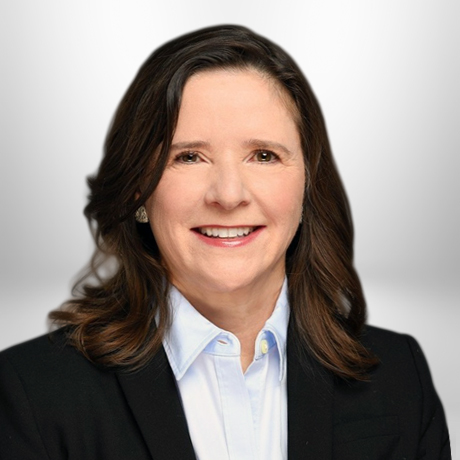
Tonia Bleecher
Senior Vice President, Health Technology, ICF
Last year, Tonia Bleecher’s team of health technology experts worked with partners at CMS to take a major step forward in modernizing how the agency oversees long-term care. Together, they launched a new survey capability through CMS’ Internet Quality Improvement and Evaluation System that supports nearly 15,000 nursing home facilities nationwide.
This is driving greater efficiency and oversight, while strengthening quality and safety for millions of residents and beneficiaries. It’s a strong example of how ICF is modernizing core health systems to deliver both cost and operational efficiencies and mission value to protect vulnerable populations nationwide.
“I’m also proud of how our team partnered with clients across HHS to help plan and advance key technology optimization efforts for 2026, 2027, and beyond,” Bleecher said.
ICF is also helping federal health agencies modernize mission-critical systems through AI-powered automation, cloud modernization and multicloud strategies. The work strengthens resilience, reduces administrative overhead, improves interoperability and supports program integrity, helping agencies work more efficiently, lower costs and reduce fraud, waste and abuse.
A strong example is ICF’s work with the National Cancer Institute, where the company used Datadog to improve cloud monitoring and cost management and create a more transparent, data-driven model for managing operations across multicloud environments. These efforts helped NCI achieve measurable operational and cost improvements, and also helped ICF earn Datadog’s first-ever Public Sector Customer Impact Award.
“Tonia brings a powerful combination of health mission knowledge, technology leadership, and strategic thinking to her work,” said David Birken, ICF senior vice president of digital modernization and experience. “She keeps user needs front and center, helping drive real improvements in efficiency, transparency, and accountability across complex health systems. Her leadership is helping deliver critical modernizations today and shape the future of American health care.”
Why Watch
In 2026, Bleecher and her team are focused on helping CMS strengthen the digital backbone that supports mission-critical care for some of the nation’s most vulnerable patients. Bleecher is particularly excited about standing up the agency’s first-ever multicloud implementation with the End Stage Renal Disease Quality Reporting System.
“We’re creating infrastructure redundancy across cloud providers to protect against downtime, improve resilience, and ensure continuity of care for kidney disease patients and dialysis facilities nationwide,” she said. This work is also laying the groundwork for more efficient, high-availability systems across CMS to better support mission delivery at scale.
More broadly, as part of CMS’ OneGov strategy, Bleecher and her team are implementing AI-powered automation and migrating legacy systems to a unified cloud architecture to help the agency significantly reduce administrative overhead, eliminate data silos, and achieve a 41% reduction in cloud operating costs.
“I’m proud of how we’re helping clients modernize mission-critical systems to make them more resilient, more effective, and deliver better outcomes,” Bleecher said. “From building multi-cloud platforms for CMS to advancing modernization efforts across HHS, we’re delivering innovative solutions that create real impact for clients and the communities they serve.”
Fun fact: Last summer, Bleecher brought home a Bernese Mountain dog puppy who quickly grew from 23 to 110 pounds—and he’s still growing. “It’s been a real joy welcoming this goofy, pony-sized dog into my home and life,” she said.

Ricky Clark
Director, NIH Information Technology Acquisition and Assessment Center
A U.S. Navy veteran, Ricky Clark began his federal contracting career with the 87th Contracting Squadron at Joint Base McGuire-Dix-Lakehurst. He was named director of the NIH Information Technology Acquisition and Assessment Center, having served as its deputy director since 2021.
Before joining NITAAC, Clark served as a contracting professional at the Patuxent River Naval Air Systems Command program, where he developed “no ceiling” blanket purchase agreements and other contracts to support the F-35 Lightning II program. He then moved to the Department of Veterans Affairs as a senior procurement analyst in the Office of Acquisition and Logistics Procurement Policy and Warrant Management Division, where he led the agency’s largest integrated product team, formulating and publishing all VA regulatory guidance and advising the VA secretary and senior officials on regulatory development.
Clark later served as chief of acquisition service at the Government Publishing Office, leading a cradle-to-grave contract team that managed procurement for all three branches of the federal government, including U.S. passports for the State Department.
Why Watch
Clark is overseeing a pivotal moment for federal IT acquisition. With CIO-SP3 extended through April 2027 and a planned transition to the GSA portfolio underway, his decisions will shape how federal agencies acquire IT services for years to come.

Quentin McCoy
Executive Director, Office of Mission Acquisition Solutions, HHS
As executive director of the Office of Mission Acquisition Solutions, or OMAS, and head of contracting activity at HHS, Quentin McCoy leads the stand-up and build-out of HHS’ mission-aligned acquisition platform — establishing strategic buying centers, shared-service procurement models and enterprise delivery capabilities. He manages over 200 contracting professionals across the office.
McCoy brings over two decades of federal contracting experience to the role, spanning civilian health, the intelligence community and the national security enterprise. He began his career at NIH as a contract specialist and contracting officer, then moved through a series of increasingly senior roles at the Defense Intelligence Agency, the Office of Naval Intelligence and back to DIA as deputy division chief for contracting, directing procurement strategies across eight enterprise offices. A deployment to Kabul as a contingency contracting officer supporting Operation Enduring Freedom runs through the middle of that intelligence community chapter.
McCoy then served as the inaugural head of contracting activity at U.S. Cyber Command, building its procurement office from the ground up to support the command’s cyber mission forces and joint cyber requirements. He then moved to the DOD Chief Digital and Artificial Intelligence Office as director of procurement, leading the stand-up of the CDAO procurement function and overseeing acquisitions supporting the department’s enterprise adoption of AI before joining HHS.
Why Watch
OMAS is a newly created office, stood up to centralize and modernize HHS’ acquisition function across the department. McCoy has scheduled the inaugural HHS Acquisition Solutions Day for May 18, 2026, bringing together HHS acquisition professionals and industry partners around how OMAS delivers coordinated buying of common goods and services in support of the HHS mission.

Dr. William “Liam” Toth
Chief Medical Information Officer, Koniag Government Services, LLC
Dr. Liam Toth recently helped position KGS as a stronger healthcare transformation partner by shaping clinical informatics capabilities around AI integration, Electronic Health Record modernization and data-driven operational improvement.
He brought frontline physician and federal informatics leadership experience to support modernization efforts tied to a federal health customer’s environment, while emphasizing that successful transformation requires governance, adoption planning and workflow redesign — not just technology deployment.
Toth also advanced thought leadership and solution development focused on AI-enabled clinical decision support, ambient intelligence, ethical oversight, and analytics that improve care delivery and mission performance.
KGS is also actively supporting multiple federal health agencies with mission-critical IT system modernization and implementation, including an enterprise-wide EHR implementation across 50+ federal health centers and hundreds of tribal and urban facilities. These efforts will help improve health outcomes for the populations served and streamline/modernize the enterprise application portfolio to improve mission support, reduce complexity, achieve efficiencies and reduce vulnerabilities.
“Dr. Toth’s unique blend of physician perspective and informatics expertise enables him to design modernization strategies that actually work in practice,” said Linda Czajka, COO, Health & Operations Management Line of Business at KGS. “His ability to translate AI and informatics strategy into practical, sustainable operational improvements has strengthened KGS’s position as a trusted transformation partner across the federal health sector.”
Why Watch
Looking ahead, Toth’s team at KGS is focused on helping healthcare organizations modernize EHR environments with the strategy, governance and execution discipline required to deliver sustainable change at scale. This work connects AI-enabled clinical capabilities, modernization roadmaps and data analytics into one operating vision that supports safer workflows, better user adoption and more informed leadership decisions. .
“Effective informatics is not about the volume of data we collect, but about how we translate that data into meaningful clinical action that restores the sacred space of human interaction,” said Toth. “Technology should be implemented in such a way that it virtually fades into the background so the focus can return to the empathy, eye contact, and connection at the heart of medicine.”
Fun fact: Before his career move to informatics leadership, Toth spent the better part of 20 years as an Air Force pediatrician, caring for the children and families of military members.
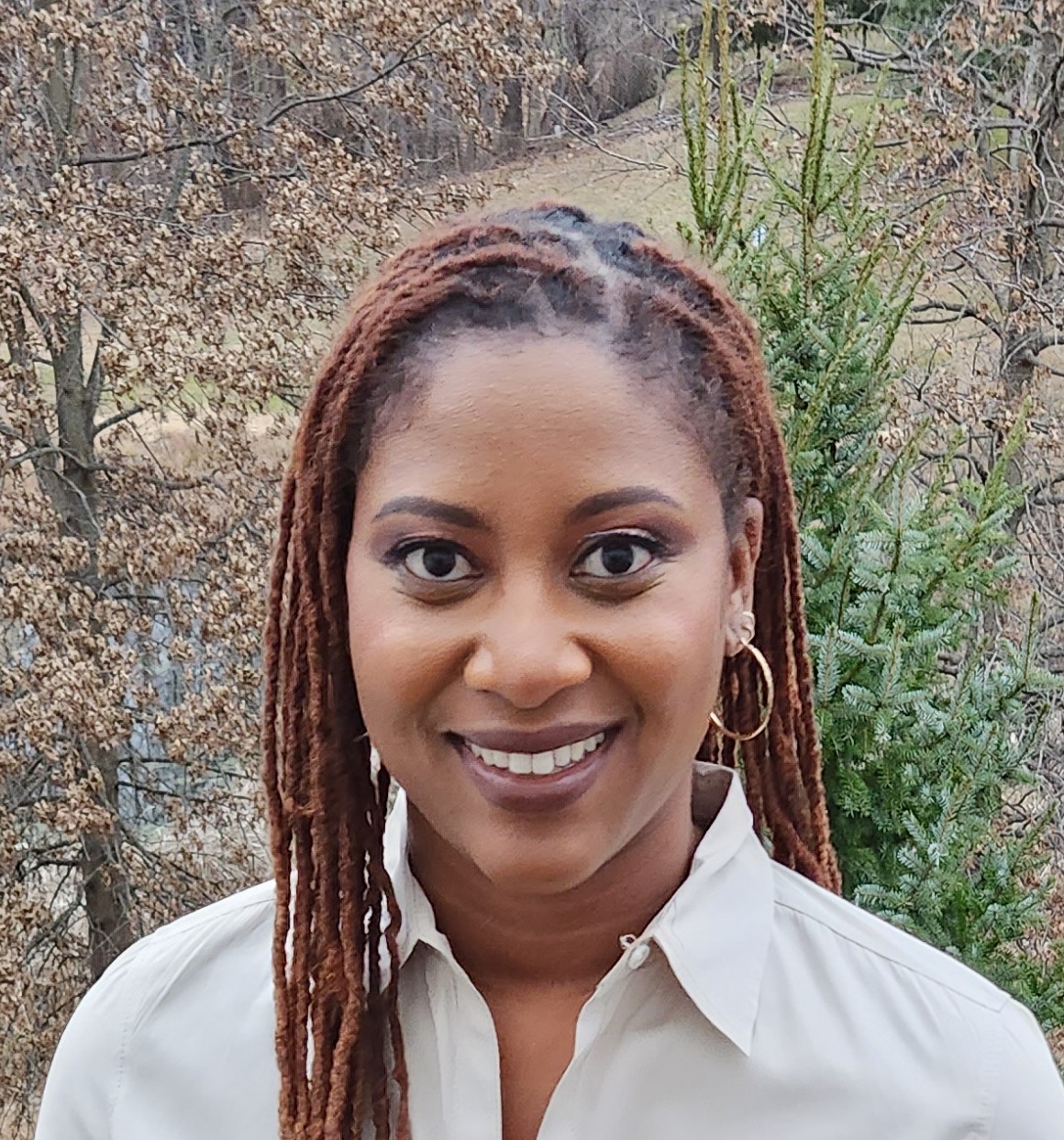
ZeAmma Brathwaite
Vice President of Health, Abt Global
ZeAmma Brathwaite is leading and scaling healthcare portfolio initiatives that modernize federal health systems while improving mission delivery and patient outcomes. This includes advancing data-driven decision-making and operational efficiencies across complex government healthcare programs.
In a time of huge government change, Brathwaite is seizing the moment, positioning her portfolio to deliver measurable cost savings and improved service quality.
“ZeAmma consistently brings strategic vision and execution excellence to our healthcare portfolio,” said Baris Yener, chief client officer at Abt Global. “Her leadership has driven measurable impact across federal health programs while building high-performing teams that deliver results.”
In terms of aligning with the current administration’s priorities, Abt Global is leveraging technology, data analytics and process automation to reduce costs and eliminate inefficiencies. The company is focused on streamlining operations, strengthening accountability, and enabling faster, evidence-based decisions.
“Our approach helps agencies modernize responsibly while improving service delivery to the public,” Brathwaite said.
Why Watch
In 2026, Brathwaite and her team are all about reducing operational burden while accelerating digital transformation across federal healthcare programs. They are prioritizing scalable solutions that improve interoperability, data transparency and care delivery outcomes. The goal is sustainable impact aligned with agency missions and fiscal responsibility.
“Meaningful healthcare transformation happens when strong teams bring innovation, discipline, and purpose together,” Brathwaite said. “I’m proud of the work our team is doing to modernize government healthcare systems in ways that improve outcomes, efficiency, and trust.”
Fun fact: Outside of work, Brathwaite is an avid reader and has read more than 1,000 books over her lifetime. Reading helps her recharge and maintain balance alongside a demanding leadership role and busy home life.