The health care sector remains one of the most dynamic and impactful areas in government contracting. In 2024 and into 2025, companies partnered with the government to improve access, affordability and quality of care; address health disparities; and strengthen public health infrastructure.
WashingtonExec’s Top Health Care Execs to Watch in 2025 recognizes leaders driving real progress in a complex, high-stakes industry. These executives are meeting key milestones, navigating policy and regulatory hurdles, and leading teams that are transforming health care through innovation and strategic execution.

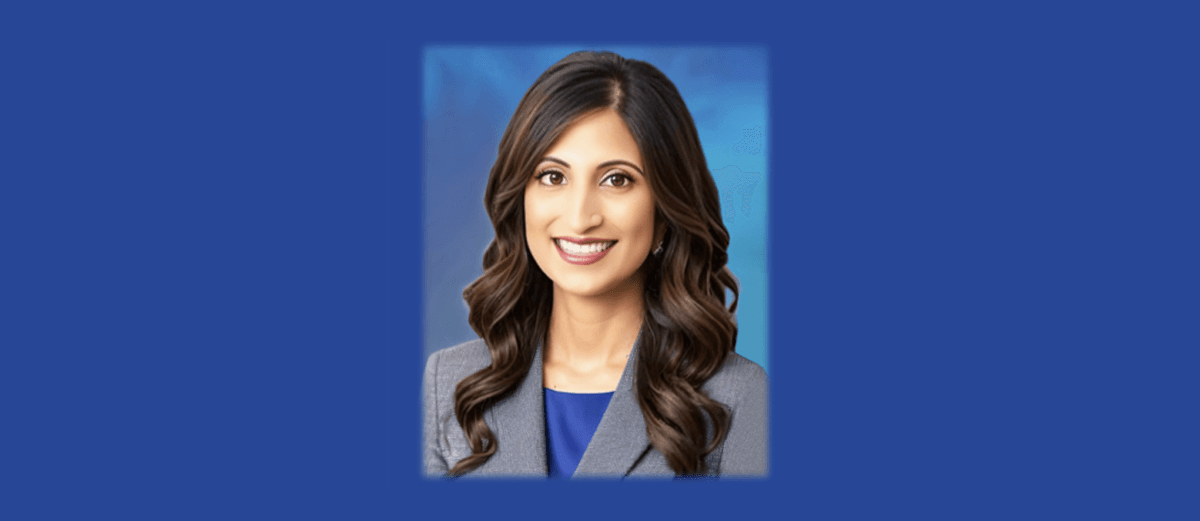
Asad Akhtar
Vice President, Federal Health Practice, ECS
Asad Akhtar oversees teams that support scientific discoveries, biomedical breakthroughs and health care innovations to improve public health. They work with agencies across the Department of Health and Human Services, including NIH, ARPA-H, CMS and FDA, to reorganize, prioritize and reshape operations.
The goal: delivering a more streamlined, effective approach to addressing the nation’s biggest health challenges. This includes piloting and prototyping new innovations, using AI-enabled tools and platforms, and staffing experts to advance health-related research and development.
“Aided by our efforts, HHS is improving the nation’s health infrastructure, including access to care, and collaboration across health care systems, as well as fundamentally transforming the IT ecosystem that supports these efforts,” Akhtar said.
Why Watch
In 2025, Akhtar’s team is focused on helping federal health agencies become faster, more effective and more entrepreneurial, measuring progress in days and weeks instead of months and years. They support rapid prototyping and deployment of enterprise AI and machine learning solutions across research, patient care and operations. They also tackle long-standing IT issues with fast, iterative fixes instead of temporary solutions. Akhtar said he’s incredibly proud of the ECS HHS teams.
“They continue to lead some of the most important work to accelerate our nation’s scientific breakthroughs and improve public health,” he said. “The key element to our success is our teams’ mindset. They constantly challenge the conventional approach and embody an entrepreneurial mindset to solve complex problems. Whether the focus is new biomedical discoveries and innovations or establishing brand-new organizations, processes, and AI-enabled platforms, ECS remains committed to serving as a partner to HHS. We will help the agency deliver better, faster and more impactful outcomes for all.”
That work includes enabling and accelerating scientific breakthroughs and patient innovations across the government, spanning cancer and infectious diseases; reshaping the landscape of diagnostics, therapies, and treatments; and enhancing health care access and delivery to all.
“Asad exemplifies the results-oriented leadership that defines ECS, and our approach to empowering and enabling the federal government,” said Peter Santighian, ECS senior vice president of defense and health. “He’s been committed to growing our federal health portfolio into a powerhouse of impact and bold innovation to accelerate HHS’s goals. This has elevated ECS’ role in the market while helping deliver measurable results for public health.”
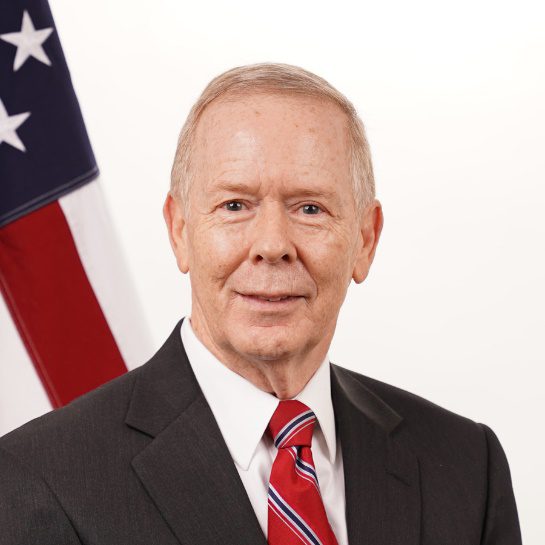
Barclay P. Butler
Deputy Commissioner for Operations, Chief Operating Officer, Food and Drug Administration
Barclay Butler’s latest achievement is applying the lessons he learned while leading the consolidation of Army, Navy and Air Force hospitals into the Defense Health Agency to designing and launching FDA’s new shared services operating model.
“Our single vision in the COO’s office is to remove administrative burdens from the reviewers, inspectors, and investigators by providing them with effective and efficient shared services covering finance, human resources, facilities, IT, contracting, grants, FOIA, and more, by which we can improve on the time and cost of reviews and inspections, bring more products to the American public, while assuring we meet the FDA mission to protect the public health and preserve the national security,” Butler said.
Why Watch
Through 2025, Butler’s team will focus on building and training the shared service providers that support FDA centers, offices and programs. Their goal is to remove administrative burdens from the drug, biologics, medical device, tobacco and food review teams; ensure a safe food supply; keep inspectors and investigators in the field; and give FDA staff more time to carry out their mission of protecting public health and national security.
As one of the largest operational divisions within the Department of Health and Human Services, FDA is fully aligned with the efficient use of taxpayer-funded resources. It has exceeded the administration’s resourcing goals while continuing to fulfill its critical mission on behalf of the American public.
“We also have to modernize,” said Dr. Marty Makary, FDA commissioner. “On day one of me being on the job, I actively began an effort to organize to use AI for our scientific reviewers to make their jobs easier. Well, two weeks ago, we just announced our first AI-assisted review with the latest generation AI technology. One reviewer said that what normally took him two to three days, the AI did in six minutes. … The goal is to reduce the paperwork burden of reviewers, which is tremendous, so that we can deliver more cures and meaningful treatments to the American people faster.”
Fun Fact: Butler is an avid sailor who spends his vacations chartering bareboats along the U.S. East Coast and in the British Virgin Islands. He’s also a member of American Legion Riders, riding his Harley-Davidson in parades with three large flags mounted on the back and helping raise money for local charities.
Dr. Thomas Osborne
Chief Medical Officer, Microsoft Federal
For Dr. Thomas Osborne, supporting federal health care initiatives is about delivering the operational infrastructure and efficiencies needed to empower government today so federal employees have the bandwidth and resources to lead tomorrow’s advancements.
It’s a key goal that leans into robust public-private partnerships and participation from a workforce with access to the latest technologies. That’s why Microsoft Federal’s parallel AI education and career development efforts are a critical bridge between today’s capabilities and tomorrow’s innovations, he said.
Why Watch
In 2025, Osborne’s teams are fundamentally dedicated to empowering others’ success and are primarily focused on operational effectiveness and efficiency. They are collaborating with federal partners to address their most pressing challenges, such as streamlining workflows, extracting insights from data, and improving care delivery.
“In close partnership with our federal employees and leadership, Microsoft teams are collaborating closely with our federal partners to develop and deploy cutting-edge solutions for our country,” Osborne said. “We are mission-driven to empower federal staff with the tools and infrastructure they want to eliminate time-consuming tasks, outdated workflows and unnecessary redundancies.”
He said by leveraging Microsoft’s world-class secure cloud platform, with a diversity of over 1,800 advanced AI models, federal employees can now use both prebuilt as well as their own custom-designed AI solutions. Additionally, the company’s career development programs, including AI teaching and training opportunities, are preparing a workforce ready to lead the next industrial revolution.
Microsoft Federal Civilian General Manager Dan Coleman said Osborne drives innovation by integrating advanced technologies into health care systems.
“His leadership in AI, big data, cloud computing and more has resulted in transformative solutions that enhance patient care and operational efficiency,” Coleman said. “Dr. Osborne’s dedication to improving health care for veterans and his groundbreaking initiatives have earned him prestigious awards and made a profound impact on the industry.”
Fun Fact: In his younger years, Osborne saved up to take spontaneous trips around the world with little more than a small backpack. While his initial goal was adventure, he discovered much more — including shared humanity, deep kindness and, at times, profound disparity. These experiences motivated him to pursue scalable medical advancements to benefit diverse national and international communities.
Elisa Kirkhorn
Chief Growth Officer, Magellan Federal
Meeting the evolving needs of military and federal civilian agencies doesn’t happen without building key processes and a strong organizational structure. For Elisa Kirkhorn, fulfilling that role by focusing on integrating human-centered, technology-enabled solutions that enhance mission readiness and operational efficiency has been her most significant achievement this year.
James Thornbrugh, president of Magellan Federal, had high praise for her work.
“Elisa’s ability to lead with clarity, purpose and vision has been instrumental in positioning our organization to deliver greater impact where it matters most,” he said.
Why Watch
In 2025, her team is focused on advancing their multi-year strategic plan to expand Magellan Federal’s capabilities. They deliver impactful mental health, well-being and specialty services to military personnel, federal law enforcement, first responders and federal civilian employees. And that work helps build a resilient, high-performing workforce prepared to serve the American public.
“I’m incredibly proud of the high-performing team we’ve built — every individual brings passion, expertise and a deep commitment to our mission,” she said. “Together, we’re focused on delivering meaningful solutions that help service members and federal civilians lead healthier, happier lives while supporting their ability to serve at their best.”
Kirkhorn leads efforts to align with the administration’s priorities by implementing data-driven strategies that reduce costs and increase productivity. Her team is driving continuous process improvements and building collaborative, scalable solutions that deliver measurable results. They aim to ensure every agency they serve operates more efficiently while staying mission focused.
Fun Fact: As a mother of four, Kirkhorn spends much of her free time cheering from the sidelines at soccer and basketball games, supporting dance competitions, visiting colleges and supervising driving practice. Life is nonstop — but she wouldn’t have it any other way. Balancing family and a mission-driven career taught her to lead with empathy, adaptability and purpose.

Elizabeth McNamara
Health IT Innovation Officer, Next Phase Solutions and Services
As a former federal employee with a long career in government contracting in the health care ecosystem, Elizabeth McNamara brings key perspectives to her role.
But her most impactful recent achievement will be to enable technology and innovation to serve the public health mission. Her recent success at FDA and the unwavering support of Next Phase and the entire GovCon industry, give her confidence in achieving this critical mission together with her team and partners.
“I have had the unique pleasure of working in almost all areas of health care, including patient care and safety solutions, research (NIH), payer (BCBS), and regulatory (FDA),” McNamara said. “It all started at NIH in 2004, and my personal goal to serve public health has not wavered.”
Why Watch
In 2025, her team is committed with their services and product offerings to getting technology out of the way of innovation in public health. Specifically, through data sharing, interoperability and enabling AI to improve the health and well-being of Americans across the health ecosystem, her team is working to support clients in getting to the next level.
NPSS’ mission has always been to guide and support government agencies’ efforts to eliminate fraud and abuse, reduce information silos and increase efficiency. This is apparent in all of her team’s past and current work within HHS, and they plan to continue to focus on these goals.
Fun Fact: McNamara was born in Quito, Ecuador, and lived in Panama for several years.
Gil Smith
Senior Director of Government Health Program Development, Philips
Gil Smith and his team are leading the integration of advanced AI technology into the Department of Defense and Veterans Affairs, greatly improving diagnostic capabilities for respiratory illnesses related to Burn Pit exposure and other toxins.
Philips continues to solidify its leadership in government healthcare by advancing digital health, connected care, and innovative point-of-injury solutions that support military personnel.
Additionally, Philips is expanding access to vital health services nationwide through state and local programs focused on maternal care, diabetes awareness, mobile CT deployments and health information exchanges to enhance care coordination.
“Under Gil’s leadership, Philips is breaking new ground within Federal and State Governments by expanding access to care for underserved communities, veterans, and military service members,” said Kim Mingo, government business leader at Philips.
“His natural talent for balancing growth with operational excellence is creating a strong foundation to deliver innovative healthcare solutions across the care continuum to our government partners.”
Philips is also strongly aligned with the current administration’s goals to reduce costs, streamline operations and enhance government efficiency. Its long-standing focus on expanding access to care, empowering healthcare providers and delivering innovative solutions directly supports these objectives.
Through the advancement of AI, interoperability, and next-generation operational medicine, Philips is helping to modernize federal healthcare systems — improving diagnostics, accelerating treatment, and ensuring patient safety and care quality.
“Our commitment to delivering scalable, efficient solutions positions us as a key partner in the government’s mission to drive better outcomes while managing resources responsibly,” Smith said.
Why Watch
In 2025, Philips is leading the charge to bring seamless, equipment-agnostic interoperability to the VA and DOD — advancing telehealth, telemedicine, health information exchange and critical care coordination. At the same time, the company is deepening its impact at the state and local levels through direct collaboration with governors and health directors to drive innovation in community healthcare.
Philips is also pushing the boundaries of biometric and wearable technology, enabling real-time monitoring and personalized care that supports better health outcomes nationwide.
Fun fact: Smith is a rancher in North Carolina, raising beef for the farm-to-table market in Central North Carolina. He also serves on the board of the International Quadball Association (iqa.org) and is a National Board Member for “Nursing Rocks,” an organization dedicated to honoring nurses while raising funds to support nursing programs nationwide.
Jamie Baker
Director, Federal Health, Science and Policy, Amazon Web Services
Supporting the federal health care community during the COVID-19 pandemic was especially meaningful for Jamie Baker. From drug discovery and vaccine administration to rapidly scaling telemedicine platforms, his teams worked backward from some of the federal government’s biggest challenges to help the American people. “It was incredible to see what we could accomplish with cutting-edge commercial technology during a time of need,” he said.
AWS enables agencies to better understand some of health care’s most complex challenges, including the drivers of chronic conditions like obesity and ADHD in children, while equipping patients with access to their data to take greater ownership of their care. In addition to improving care delivery, AWS cloud services and generative AI tools help reduce costs through fraud prevention and detection.
The company also deploys tools such as Amazon Bedrock, which gives agencies access to multiple leading AI foundation models through a single API. These efforts support the administration’s goals of maintaining global AI leadership and advancing American AI innovation.
Baker’s recognition as a top health care executive highlights his leadership in advancing digital transformation across the federal health care sector. Under his direction, the team has delivered innovative solutions that help agencies modernize operations and improve patient care, said Christian Hoff, director of federal civilian government at AWS.
“His commitment to excellence and deep understanding of our customers’ needs has been instrumental in advancing healthcare modernization initiatives that make a real difference,” Hoff added.
Why Watch
Baker’s team is focused on helping federal health agencies meet the administration’s priorities around efficiency, cost savings and fraud reduction. They bring subject matter expertise to some of the government’s toughest challenges by using next-generation data analytics and generative AI tools. Their goal is to continue driving progress while also exploring how generative AI can advance efforts like cancer research and identifying the root causes of chronic conditions.
“The AWS Federal Health team is one of the most mission focused and passionate teams I’ve ever had the pleasure of working with,” Baker said. “We all take personal pride in knowing that the work we are doing is ultimately helping the wellbeing of active duty military, veterans, and millions of U.S. patients.”
Fun Fact: Baker is an engineer at heart. He enjoys DIY projects and is always building something. His next project is building a large shed with his son over the summer.

Kamal Narang
Senior Vice President, Federal Health Division, GDIT
At the beginning of 2025, GDIT formed a separate business division for Federal Health with nearly 3,000 employees supporting over 20 government health agencies.
Kamal Narang was named the lead of this division, which represents a culmination of his lifelong commitment to support the health and wellbeing of the nation’s citizens, veterans, military and vulnerable populations.
This new division allows GDIT to drive further efficiencies, cost savings, innovation and mission solutions that are so critical to GDIT customers’ health missions.
Why Watch
Narang’s team is spearheading mission-driven solutions with advanced technology. GDIT’s Artificial Intelligence Fraud, Waste and Abuse detection solution combines advanced AI capabilities to address customers’ increasing demand to identify, detect and proactively prevent fraud faster.
This solution leverages more than 20 years of deep mission expertise in reducing fraud to bring flexible, repeatable and ready-now capabilities that identify fraud faster across the federal government for benefits payments, healthcare claims, food safety and financial fraud.
In terms of aligning with the current administration’s priorities to reduce cost, streamline operations and improve government efficiency, GDIT’s experience in applying AI to identify fraud, waste and abuse has enabled significant cost savings, over $1 billion annually for one federal health agency.
Narang and his team are also bringing innovation and advanced technologies for efficiencies leveraging agentic AI for contact centers; cloud financial operations to reduce usage costs by more than 30%; and leveraging AI to speed cancer research.
Fun Fact: Narang traveled to America in 1996 on a one-way ticket to work as a systems analyst for the National Cancer Institute. He has since worked for amazing organizations and led talented teams to help advance mission-critical programs.
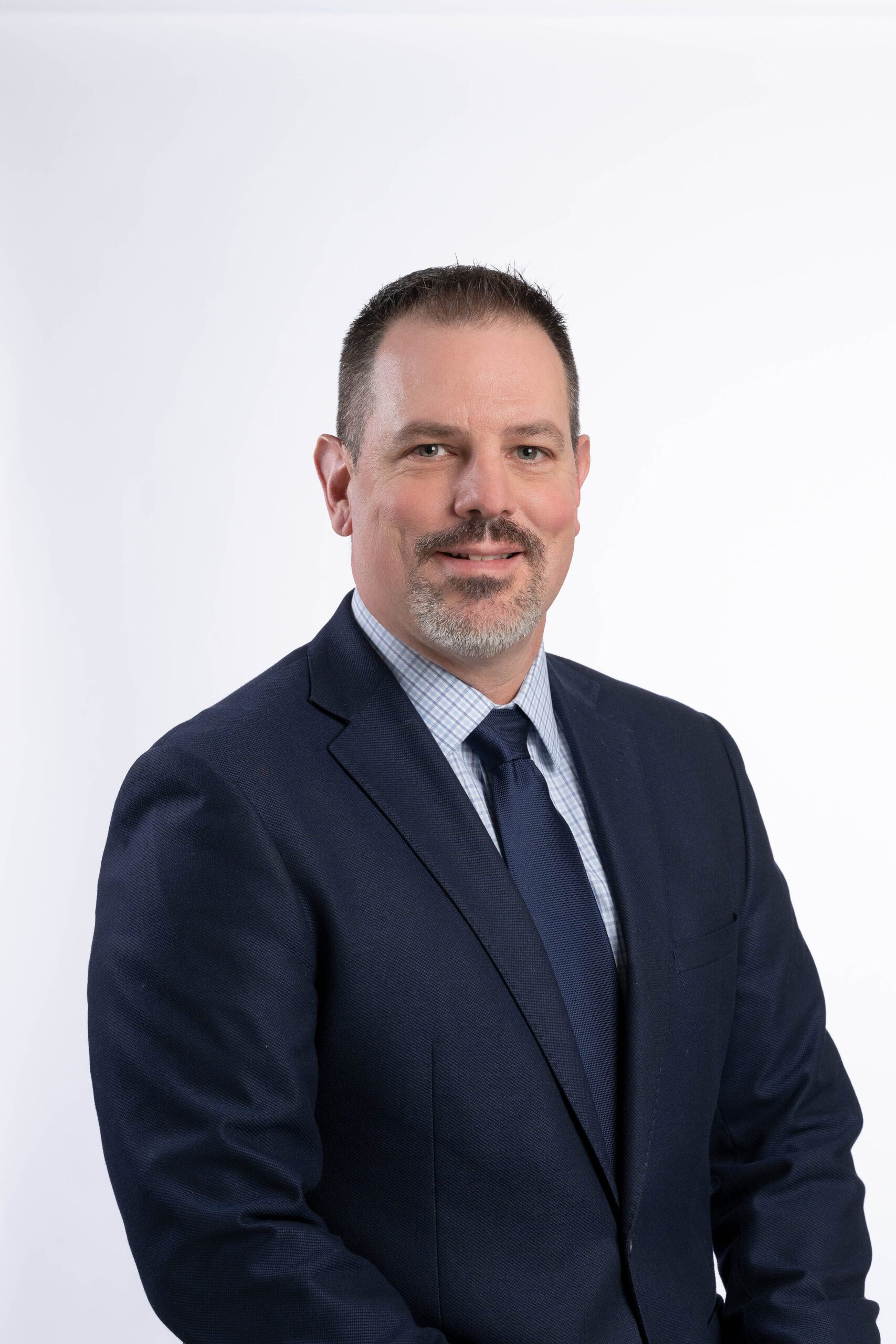
Ken Hofgesang
Vice President of Health, RELI Group
Ken Hofgesang’s team’s biggest achievement this year is the expansion and development of RELI Group’s Centers of Excellence, particularly in the health care space. These centers serve as specialized hubs that strengthen the company’s service delivery through focused expertise, innovative solutions and strategic support, ensuring mission success for federal clients.
By continually evolving its best practices, process improvements and advanced technology, RELI Group delivers top-tier services and methodologies that help agencies and federal health teams meet mission-critical objectives.
Combating fraud, waste and abuse across the federal health system has long been a challenge. Those who exploit federal health programs cost taxpayers billions of dollars, according to a report from the Centers for Medicare & Medicaid Services, while putting beneficiaries’ health and welfare at risk.
RELI Group supports CMS in managing this challenge by detecting, preventing and combating fraud, waste and abuse across federal health programs. This includes delivering solutions that advance program integrity and integrating technologies such as artificial intelligence and modern data management practices to streamline operations.
“I am so proud to be working with a great group of RELI program integrity professionals.” Hofgesang said. “Their expertise and hard work enables RELI’s Health Account to further the CMS mission of preventing Fraud, Waste and Abuse.”
Why Watch
In 2025, RELI Group’s health account is focused on strengthening its role as a trusted partner to federal health agencies by delivering innovative solutions that address industrywide challenges. Key efforts include fraud prevention, CMS’ error-rate testing program and broader data management initiatives to help maintain or improve the quality of care for Americans.
The team is embracing innovation, collaboration and continuous learning to implement smarter solutions. These efforts aim to improve organizational performance, support data-driven decision-making and ensure measurable outcomes across the federal health landscape.
Hofgesang’s strategic vision and deep expertise strengthened the company’s partnerships with agencies across the government, helping deliver impactful, data-informed solutions, said Mohammad Elias, RELI Group founder and CEO.
“As we look to the future, Ken’s leadership will continue to shape how we support our federal clients in driving innovation and improving health outcomes for the American public,” he added.
Fun Fact: When Hofgesang was in fifth grade, he won the New Jersey State invention competition by inventing an automatic fish feeder. The win earned him a spot on The Dr. Fad Show, a popular children’s invention show that aired on CBS in 1988. Check him out around the 7:20 and 8:05 marks in the video here: https://youtu.be/8MEvbLHA7_o?si=VpKv9SvJAoOaQc00

Larnie Yuson
Client Partner, Federal Health, Capgemini Government Solutions
Larnie Yuson leads the strategic repositioning of Capgemini’s federal health care business to align with the current administration’s priorities around efficiency, modernization and outcomes. By leveraging technologies and solutions proven abroad — and drawing on Capgemini’s commercial health care expertise — she’s building a future-ready approach for agencies such as the VA, DHA and HHS.
This work serves as a force multiplier, strengthening how the company partners with government to deliver trusted AI, resilient infrastructure and data-driven care at scale.
Capgemini is supporting the administration’s agenda by bringing scalable, cloud-enabled solutions to U.S. federal health agencies, informed by its success across both commercial and public sector organizations. The company helps reduce cost and complexity through automation, intelligent interoperability and mission-focused AI, while maintaining security and compliance. Its delivery model blends commercial innovation with public sector rigor to advance value-based care, workforce resilience and digitally enabled service equity.
“Larnie is incredibly passionate about improving healthcare for the everyday American citizen,” said Anita Lynn, Capgemini principal of the Health Sector. “She has an amazing track record in successfully implementing change and driving adoption of electronic health record systems, public health initiatives, and research programs.”
Why Watch
In 2025, Yuson is focused on adapting Capgemini’s proven global health care solutions, such as Banner Health’s Digital Front Door in the United States, France’s Health Data Hub, Denmark’s discharge optimization engine and AI-powered virtual clinics — to the unique challenges of U.S. federal health agencies. These are not pilot concepts; they are tested platforms already improving patient outcomes across Europe. Now, Capgemini is building U.S. federal versions that integrate ambient listening, real-time data trust and predictive capacity planning to support the VA, DHA and HHS as they modernize public service delivery.
“Capgemini transforms federal health delivery through intelligent platforms, modular digital infrastructure, and secure interoperability frameworks,” Yuson said. “We combine real-time data fusion, AI-assisted triage, and seamless digital experiences—tested through pilot-first models that scale quickly across the enterprise. Our approach connects battlefield to bedside, HQ to field unit, and human to system—by bringing modern tech to mission care.”
Fun Fact: For several seasons, she served as the regular national anthem singer for D.C. United and later performed at games for the Washington Nationals, military retirements, and conferences around the D.C. area.

Lauren Toth
Senior Director of Technology Program Management – Defense Enterprise & Health Solutions BU, DMHS Sector, Peraton
Lauren Toth holds a Ph.D. in biomedical engineering, and is working with her teams to support the Centers for Medicare and Medicaid Services Fraud Prevention System, which helps CMS combat medical fraud, waste and abuse. This is a major personal and professional achievement for her.
The team helped save CMS a significant amount of money by accurately flagging fraudulent claims. Building upon this expertise, Toth led Peraton engineers in developing Rapid Fraud Intelligence, which is a commercial product designed to help any agency find and combat fraud.
Toth combines her background in biomedical and chemical engineering with her experience leading innovation-driven technical teams to deliver solutions that meet customers’ most critical mission needs, said Omer Khan, vice president of benefits, claims and integrity solutions, DMHS, at Peraton.
“As program director of the Fraud Prevention System program, her teams have received many industry awards for leveraging advanced technologies to deliver ever increasing ROI for CMS and safeguarding taxpayer dollars,” he said. “Lauren has also leveraged this expertise to evolve our ability to detect and prevent fraud, waste, and abuse with Peraton’s Rapid FI platform. We are proud of her leadership that has bridged our customers to their strategic vision through deep understanding of the mission.”
Why Watch
Health security is national security. Throughout this year and beyond, Toth and her team are committed to implementing new tools to support CMS’ fraud investigators and help them combat more fraud. Every improper payment that is prevented has a direct correlation to increased savings for American taxpayers and ensures the nation’s healthcare budget supports those who need it the most — Medicare and Medicaid beneficiaries.
Peraton also helps the current administration identify and mitigate fraud; reduce the costs associated with fraud, waste and abuse; and ensure the right benefits go to the right people. Using the latest technology, the team provides fraud detection models, risk scores, visualizations and reports that help investigators prioritize their workload and investigations, increasing efficiency and return on investment.
“I am extremely proud of the work my team has accomplished. I’m lucky to work with the best and brightest engineers and investigative experts in the industry,” Toth said. “Together, we deploy cutting-edge technology to help customers stay ahead of emerging fraud schemes and protect our nation’s healthcare budget. We’re trailblazers, and each day I’m fueled by my team’s energy and innovative spirit.”
Fun Fact: From a broken nose to building a business focused on female athletes, Toth has a colorful track record in problem solving. She holds two U.S. patents for protective softball equipment still sold worldwide today.

Mike Namvar
Account Executive, Federal Healthcare, Intel Corp.
Mike Namvar oversees a 250M+ portfolio spanning endpoint, datacenter, cloud and supercomputer solutions. His mission: to ensure the nation’s critical healthcare systems, serving the public, service members and veterans, are infused with the latest cutting-edge technology that enables optimal health outcomes.
Under Namvar’s leadership, Intel is accelerating innovation across healthcare – from enabling scientific discoveries, to powering smart hospitals and modernizing digital infrastructure. In 2024 alone, the Intel Healthcare team engineered and deployed AI-powered solutions supporting early-stage cancer screening, radiation therapy, and mental health.
Giving back is a key tenet of Intel’s mission in support of the nation’s healthcare systems. Namvar and his team led and participated in fundraising efforts benefitting veteran health and pediatric cancer research initiatives alongside the NIH and the Department of Veterans Affairs.
“Mike brings a rare blend of mission understanding and genuine passion for improving care delivery across federal healthcare,” said Greg Clifton, general manager of federal sales at Intel. “He’s a trusted leader who delivers results while never losing sight of the people we serve: our veterans, service members, and communities.”
Why Watch
In 2025, Namvar and his team are focused on building the next generation of innovation labs, working alongside alliance partners. Intel is focused on leveraging leading-edge AI technologies and robotics to pioneer new therapeutics, improve quality of life and help discover breakthrough cures to enhance the lives of service members, veterans and the public.
Fun Fact: Namvar is truly a local GovCon fixture, having attended elementary school, high school and college all within a 1-mile radius. As a professional, Namvar leads the Intel Federal Healthcare team out of its Fairfax office, which is within the same 1-mile radius.
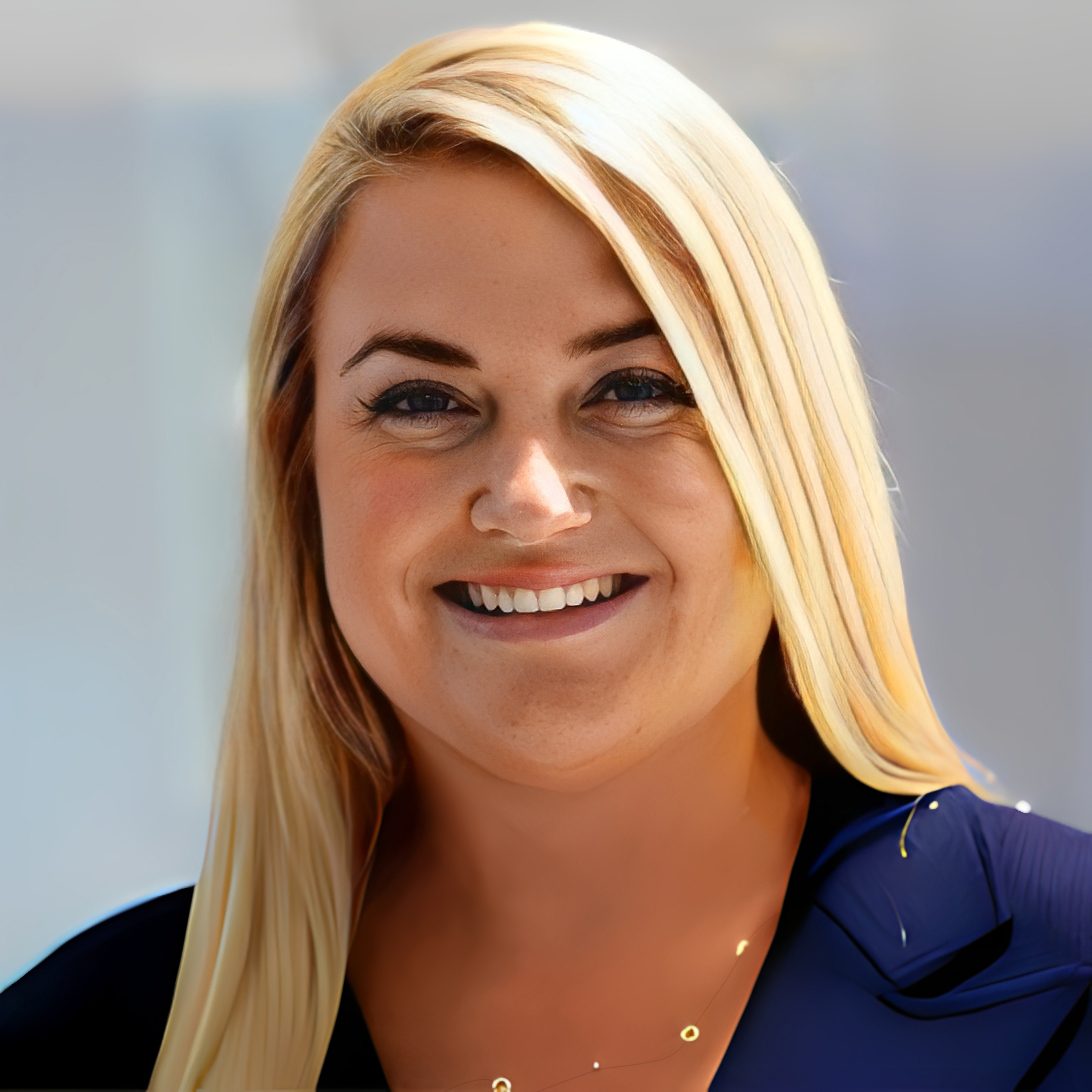
Monica Rosser
Executive Managing Director, Federal Health, Maximus
Federal health agencies are entering a transformational moment, and leaders like Monica Rosser with Maximus, are helping to guide agencies through this pivotal time for healthcare.
“This is a breakthrough moment because of the emerging technologies and new approaches to healthcare, such as a focus on a whole health model, which can provide better outcomes for agencies and those they serve,” Rosser said.
Since joining Maximus in 2023, Rosser and her team have focused on accelerating the company’s strategic vision, while developing and expanding its capabilities across the federal health landscape.
Among Rosser’s priorities for Maximus and its government agency partners is advancing medical readiness, improving access to care, driving AI-enabled innovation and streamlining the processes for eligibility and enrollment.
Maximus is an industry leader for customer experience across the federal government, and launched a CX-focused solution, Maximus TXM, in 2024 that gives agencies even more power to use emerging technologies, like artificial intelligence and machine learning.
“Through our deep technology experience and delivery of critical programs at the federal, state and local level, we have the unique ability to turn integrated data insights into actions that improve the effectiveness and efficiency of healthcare programs and get the right services to the right people when they need them,” Rosser said. “We’re working with our health agency partners to deliver better services while giving people more accessible options to get the information they need.”
Why Watch
One of Rosser’s top priorities is further development of the “whole health” model, an integrated services approach taken by the Department of Veterans Affairs and other agencies.
“Whole health is more than a diagnosis, as it takes into consideration a person’s financial and emotional well-being, along with their environment and access to benefits,” she said. “We are connecting dots across all of these touchpoints to transform the health ecosystem to create a digital front door that is proactive, personalized, integrated and data-driven to reduce redundancies, streamline processes and improve the quality of life for millions of Americans.”
For example, Maximus is partnering with the Elizabeth Dole Foundation to support military and veteran caregivers, and establishing that the “whole health” model starts at home.
“Caregivers are holding the front line on the home front, day in and day out,” Rosser said. “When caregivers thrive, communities thrive.”
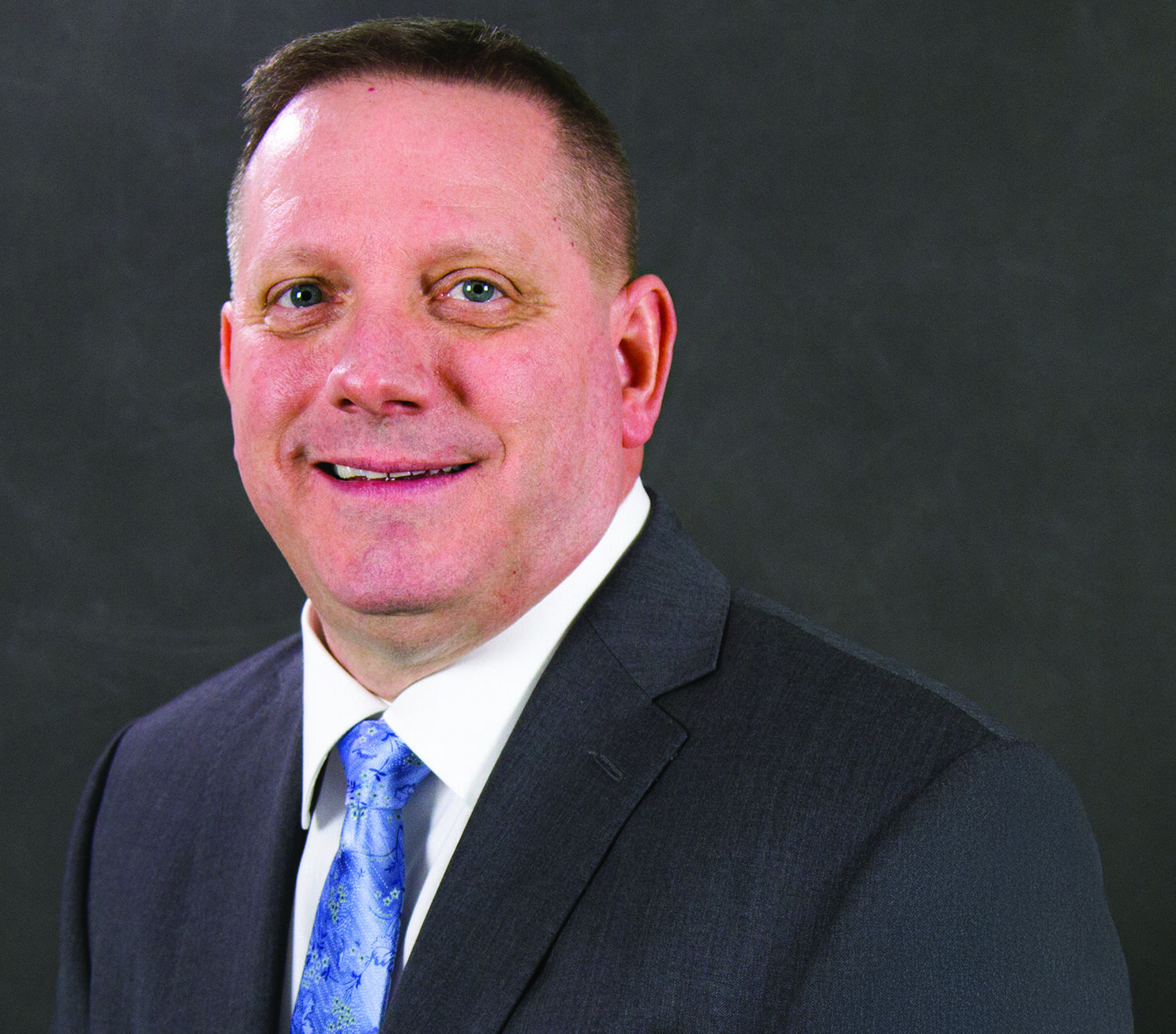
Richard “Chip” Terry
Executive Position: Vice President and General Manager – Health Division, ASRC Federal
Richard “Chip” Terry has driven innovation in U.S. government health care, supporting citizens through high-quality data management for cancer research and efforts to eliminate prescription and allergy errors for veterans.
A retired U.S. Air Force colonel and former chief information officer and acting director at the Defense Health Agency, Terry brings a mission-focused perspective and deep subject matter expertise. Under his leadership, the health division has achieved significant growth and secured key strategic wins—success he attributes to high performance and strong customer relationships.
Terry and his team take a proactive approach to client partnerships, offering practical solutions that help agencies achieve efficiencies aligned with the administration’s priorities and mission goals. Through successful contract execution, they are advancing automation in health care services, leveraging artificial intelligence and accelerating cloud modernization to improve service delivery and operational efficiency.
Terry played a key role in developing ASRC Federal’s health strategy and worked tirelessly with government customers and contracting officers to improve services for veterans and citizens, said Sanjay Sardar, president of ASRC Federal Civilian and Health Group.
“Given his service as the former Chief Information Officer for Defense Health Agency, Chip exemplifies customer experience and the need to use funds efficiently to provide the best support,” Sardar added. “Chip and his staff truly understand the Federal health mission and drive innovation to continually make it better.”
Why Watch
Terry’s 2025 focus is on delivering transformative services to federal health agencies, modernizing legacy systems, supporting advanced research and strengthening the cybersecurity and integrity of the nation’s most critical health data. He’s committed to deepening ASRC Federal’s partnerships with military and civilian health agencies, including the departments of Defense and Veterans Affairs.
Fun Fact: Terry is a dedicated Georgia Bulldogs fan — Go Dawgs! His military service took him to 17 cities across nine states. His family enjoys traveling to the Caribbean and is currently looking for a home on their favorite island in Turks and Caicos.

Dr. Roman Salasznyk
Senior Vice President, Booz Allen Hamilton
In the drive to make federal healthcare faster, better and more cost-effective for the American people, Dr. Roman Salasznyk works at the heart of the action.
A leader in Booz Allen’s Civil Health and Life Sciences businesses, Salasznyk brings cutting-edge technologies and multidisciplinary teams to accelerate research, modernize mission-critical operations and improve health outcomes at agencies across the nation’s healthcare enterprise.
Over the past year, he and his team assisted the NIH and ARPA-H in expediting scientific discovery and biomedical innovation; advancing AI-enabled operational capabilities at FDA to enhance regulatory decision-making; enabling the delivery of high-quality, affordable health insurance through the Marketplace at the CMS; and accelerating modernization at the CDC to strengthen America’s ability to identify, mitigate, and respond to public health threats.
“As an advanced technology company, Booz Allen is uniquely positioned at the intersection of the public and private sectors to develop technology and help agencies implement the best solutions at mission scale,” Salasznyk said. “I’m proud of the trust our clients place in us to tackle their toughest challenges and deliver meaningful outcomes for the health and well-being of the American people.”
Why Watch
As the healthcare landscape and federal priorities continue to evolve, Salasznyk expects to draw even deeper on Booz Allen’s growing innovation ecosystem and VoLT heritage — including solutions the firm develops, incubates and deploys — and on his team’s drive to deliver transformative and accelerated outcomes. He’s looking ahead to harnessing the power of AI, strengthening mission performance and data sharing, and implementing the latest advances in scientific computing, cyber and cloud solutions for federal health agencies.
“Roman’s approach to healthcare modernization is rooted in improving efficiency—driven by an unmatched passion for making a difference,” said Rich Crowe, president of Booz Allen’s Civil Sector business. “He is a valuable leader in the next generation of healthcare innovation and in Booz Allen’s work delivering data-enabled transformative technology to missions of national importance.”
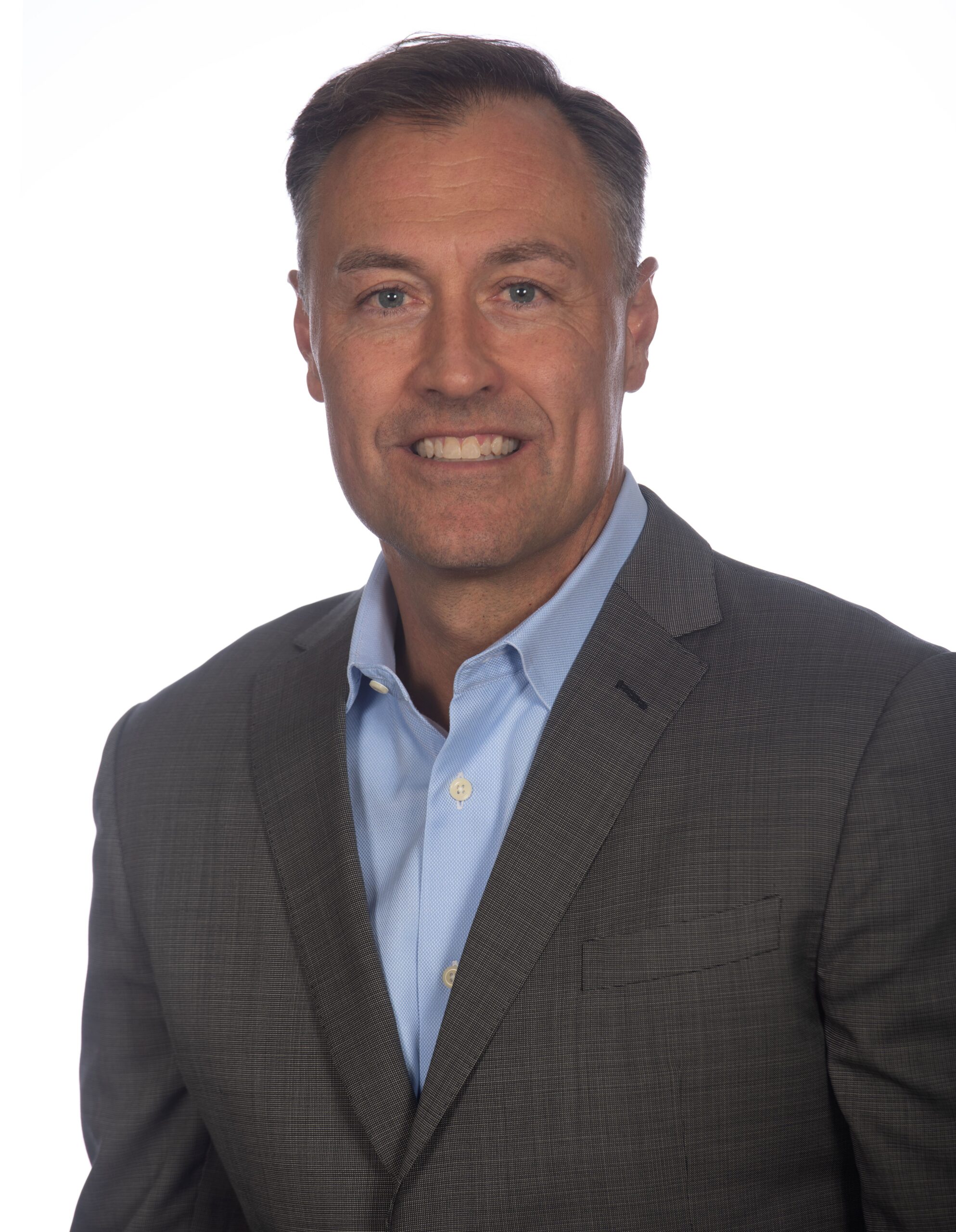
Dr. Ryan Bosch
Chief Health and Informatics Officer, Acentra Health
In 2025, Dr. Ryan Bosch led Acentra Health’s state Medicaid clients in using data and analytics to improve health outcomes and lower costs through the company’s “whole person, whole population,” or WP2, data model.
This work builds on the launch of Acentra Health’s unified data platform, which curates, structures and analyzes data from multiple sources to support better decision-making.
By applying the WP2 model to the platform, the company shifted from simply delivering on contracts to helping clients make smarter, more effective healthcare decisions with immediate impact.
Todd Stottlemyer, CEO of Acentra Health, said:
“Dr. Bosch’s unique blend of clinical expertise, public health insight, and data science leadership is helping our clients translate complex data into actionable strategies that improve care delivery and reduce costs. His work to operationalize Acentra Health’s whole person, whole population data model is driving real value for our Medicaid partners and advancing our mission to improve health outcomes for the populations they serve.”
Why Watch
In 2025, Bosch and his team are heavily focused on data enablement and consistently conforming Acentra Health’s disparate data to empower innovative analytic conclusions.
“This important work involves standardizing our approach to how we store, label, and tag data across our numerous service lines, enabling benchmarking and cross comparisons on outcome measures that will further drive improvement of the services and solutions we deliver to our clients,” Bosch said.
Acentra Health’s whole person, whole population data model, combined with the company’s advanced analytics efforts, enables Bosch and his team to rapidly connect data to insights and deliver precise next best actions that drive better outcomes for clients.
Acentra Health is also actively engaging its state, federal and commercial healthcare clients to help them successfully adapt to changing administration priorities as well as the increasingly complex healthcare landscape.
The company’s breadth of experience in program integrity around fraud, waste and abuse, and its advanced AI and analytics, has positioned it well to support clients in this moment, with measurable proof points of improved outcomes, greater efficiencies and lower costs. This all ties back to Acentra Health’s foundational data strategy and an unrelenting focus on showing its clients how Acentra Health delivers greater value and better outcomes through experience, exquisite execution and partnership.
“In 2025, we’re helping our state Medicaid clients harness the full power of data through Acentra Health’s unified data platform and our whole person, whole population (WP2) analytics model,” Bosch said. “By standardizing data and enabling cross-comparisons across clinical, behavioral, and social domains, we’re empowering our clients to make smarter decisions that improve program effectiveness, drive down costs, and support better health outcomes.”
Fun fact: During Bosch’s Air Force medical career, he served as a personal physician on the White House medical team.
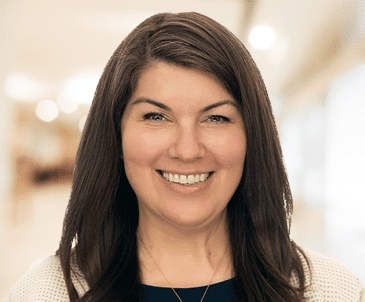
Sarah Garnett
Federal Health Leader, Guidehouse
By strategically integrating commercial innovation with public sector expertise, Sarah Garnett built high-performing teams that embed deep domain knowledge — enabling smarter, faster and more scalable solutions. This unique approach has helped clients navigate today’s most complex healthcare challenges.
Under her leadership, Guidehouse successfully deployed its Best in KLAS outsourced coding solutions across the Defense Health Agency, enhancing operational efficiency and compliance at scale.
Garnett is recognized both for her mentoring leadership and for bringing together cross-functional expert teams to accelerate transformations related to regulatory and legislative requirements, disaster recovery, and revenue operations across healthcare. She recently co-authored, “7 Health Policy Shifts That Could Impact Academic Medical Centers.”
Her work is redefining what’s possible in federal healthcare consulting — delivering outcomes not only innovative but deeply impactful.
Guidehouse stands out in its alignment with the current administration’s priorities by fully integrating public and private sector capabilities across each industry segment. This approach enables the company to quickly adapt commercial innovations into customized solutions for government clients—solutions that cut costs, streamline operations and boost efficiency.
With deep domain expertise and proven commercial tools, Guidehouse supports agencies in modernizing legacy systems, optimizing workforce strategies and improving service delivery, all while maintaining compliance and accountability.
“I am proud and truly lucky to work with such a talented and passionate team of experts at Guidehouse. Together, we are dedicated to supporting the missions of Federal Health agencies as we collaborate to shape a healthier future for communities nationwide,” Garnett said.
Why Watch
In 2025, Garnett and her team are focused on technology-driven transformation and optimization in federal health. Their efforts center on helping clients adopt data-driven strategies and advanced technology platforms. Artificial intelligence, including agentic AI, is a key priority and seen as essential to delivering value and efficiency to federal health agencies.
“Sarah has a proven ability to help our clients innovate while staying ahead of some of the most complex challenges in the health ecosystem,” said John Saad, president of Guidehouse. “She brings a clear understanding of both the strategic and operational needs of Federal Health agencies and consistently delivers practical, forward-thinking solutions. She is a trusted partner to our clients and a passionate mentor to her Guidehouse colleagues.”
Fun Fact: Garnett began her career in clinical research at Georgetown University Medical Center, working on breast cancer studies. That experience solidified her commitment to mission-driven work and building a healthier future. She now serves as president of the board of trustees for The Treatment and Learning Centers, a nonprofit that helps children and adults with learning differences, autism, developmental delays and hearing loss. Also, Garnett and her husband, Eric, appeared on HGTV nearly 20 years ago, but no, the episode isn’t online.
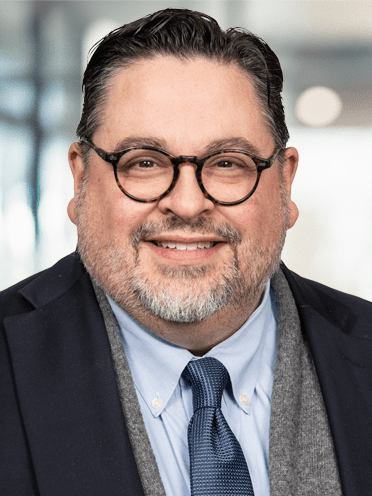
Steven Sousa
Senior Vice President of Health and Social Services, CGI
Steve Sousa’s work for federal clients spans a broad array of agencies involved in healthcare and social services, including the Centers for Medicare and Medicaid Services and the Social Security Administration.
Following CGI’s launch of a Fraud, Waste and Abuse Prevention Platform in April, Sousa leads an effort to tailor the platform more narrowly to meet the needs of healthcare clients. CGI developed the transformative solution, designed to support federal agencies in detecting and preventing potential improper payments, in partnership with TrackLight Inc.
Sousa also led efforts to improve data sharing and data optimization at CMS, work that helped CGI win a recompete for CMS’s Health Plan Management System, which CGI has held since 2004.
Sousa believes data is foundational. “AI is great, but it’s only as good as the data it uses,” he said. “When you want to prevent fraud, waste and abuse, accurate and timely data is indispensable.”
Why Watch
As the executive branch prioritizes reducing the size and cost of government, agencies are striving to operate with greater efficiency, with advanced technologies taking center stage. Sousa evangelizes AI, educating customers on its benefits and demonstrating ways to leverage it, inspiring some agencies to invest in proof-of-concept projects.
Recently, Sousa proposed improvements that could save $1.3 billion annually for the SSA — leveraging AI to power solutions that mitigate fraud, waste and abuse and manage debt — demonstrating his commitment to driving financial efficiency alongside operational effectiveness.
“In today’s rapidly evolving landscape, embracing change is a necessity,” he said. “As outlined in ‘Pivot or Die’ by Gary Shapiro, the ability to adapt and innovate is crucial for survival and success. At CGI, we are committed to leveraging data and emerging technologies to drive efficiencies and create transformative solutions. By pivoting strategically, we ensure that we continue to deliver exceptional value and operational effectiveness, helping agencies achieve their goals.”
Sousa leans into CGI’s presence across the commercial sector as well as government to draw on cross-sector best practices that may be useful to his clients. In particular, the U.S., Canadian and European healthcare insurance sectors provide guidance that can benefit federal healthcare agencies.
He also looks to CGI’s broader presence as a source of solutions that could be applied in federal settings. Key contenders include an intelligent automation offering called Accel360, providing robotics as a managed service, and OMNI360, an interoperability integration tool that gives healthcare providers a holistic view of the care a patient has received.
“The most important thing for us this year is pivoting and then making sure we don’t forget the value that we brought to the table, maximizing those opportunities to further drive efficiencies,” Sousa said.
Fun Fact: Sousa is passionate about community involvement. He’s actively engaged with Spur Local, a D.C.-area charity focused on empowering communities and fostering local initiatives. Whether he’s driving innovation in healthcare or supporting local causes, Sousa brings enthusiasm and dedication to everything he does!
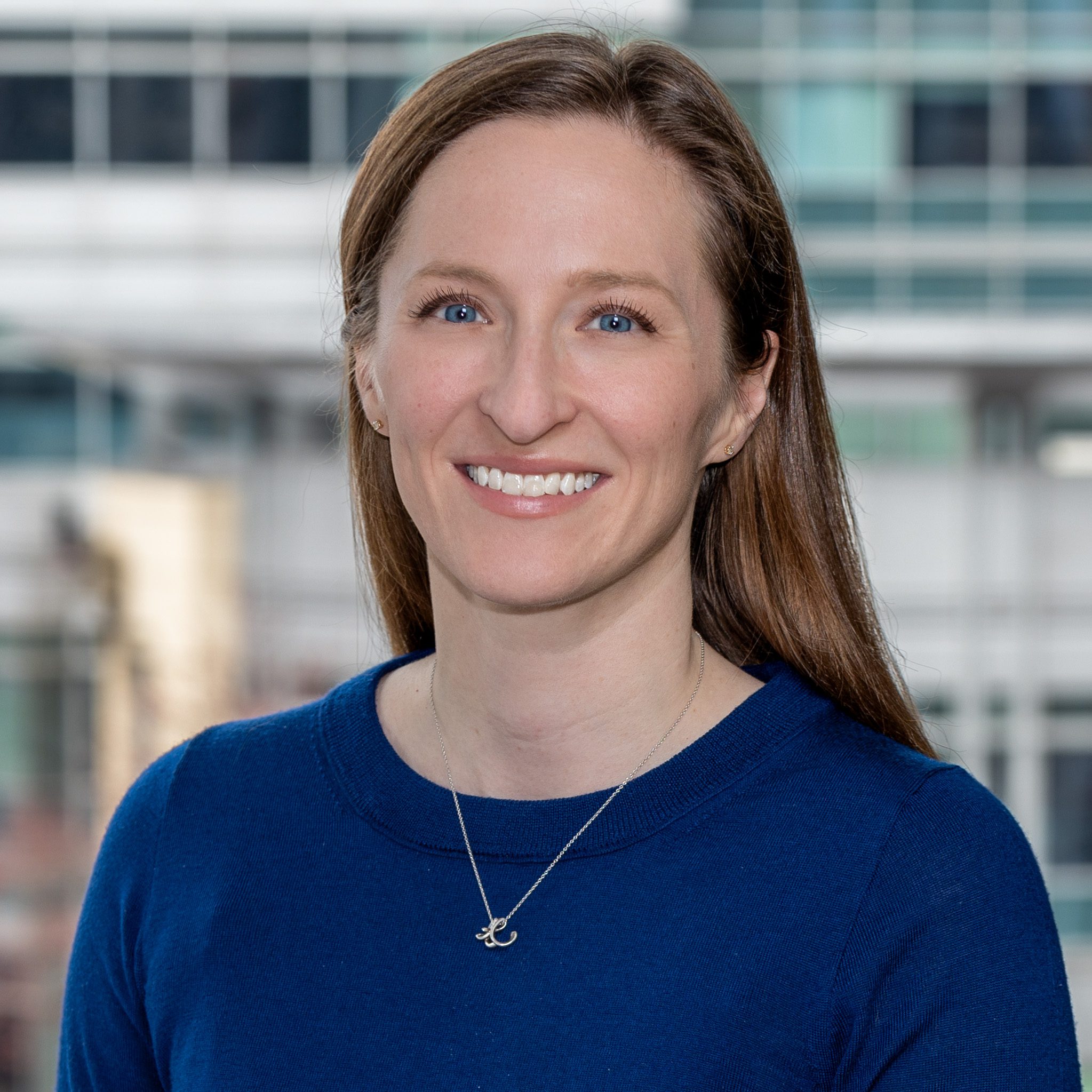
Susie Rainey
Managing Director and Account Lead for the U.S. Department of Veterans Affairs, Accenture Federal Services
Susie Rainey has had many amazing achievements over the years, but she’s particularly proud of an upcoming release at the Department of Veterans Affairs that retires its 50-year-old mainframe and enables the agency to advance its ability to embrace next-generation technologies.
“This is a big milestone for the team, and a big achievement for the VA that helps deliver an even more positive and meaningful impact for Veterans,” Rainey said.
Accenture Federal Services also has a proven track record in federal technology modernization, teaming with its clients and ecosystem partners to secure the U.S., simplify citizen services, and drive accountability, efficiency and productivity.
In terms of aligning with the administration’s priorities to reduce costs, eliminate fraud and improve efficiency, Accenture Federal Services uses the most advanced technology, data and AI to power and scale the kind of results that commercial enterprises demand and federal organizations require.
“We are at the heart of government delivering mission critical and performance-based work that is essential for the U.S. and its people,” Rainey said.
Why Watch
Rainey and her team are 100% focused on helping ensure the VA secretary achieves his goal of getting benefits effectively and efficiently into the hands of veterans sooner. In support of that goal, Rainey and her team are constantly challenging themselves to think about how to help the VA eliminate barriers and get important services like home loans, community care, education services and electronic health records to veterans faster.
They are also committed to continuously partnering with VA clients to maximize the power of AI and other powerful new technologies to help the VA uncover greater efficiency at scale.
“There is no more important mission than serving our nation’s Veterans,” Rainey said. “I am excited to bring the best of what Accenture does commercially to the VA so that we can get benefits into the hands of Veterans and their families more quickly.”
Fun Fact: Rainey enjoys sewing, a skill she learned from her grandmother as a child and still practices today. She made most of her children’s Halloween costumes and now sews baby quilts for friends. She’s also working on relearning how to knit after a long break.

Terry McKittrick
Senior Vice President, Federal Health, ICF
Terry McKittrick has been part of ICF’s health practice for nearly 20 years. During this time, ICF has been instrumental in helping clients enhance health and well-being and provide effective health and human services.
For example, their work supporting the CDC’s BioSense platform helps monitor and analyze emergency department data to quickly identify and respond to emerging health threats.
McKittrick is particularly proud of how ICF has harnessed this data in new and exciting ways and to deploy advanced technologies that made a real impact on health outcomes.
ICF also remains committed to helping clients solve their most complex challenges through innovative solutions that quickly enhance efficiency and drive cost savings. ICF leverages its expertise in AI, data management, digital modernization and health technology to help clients optimize their processes and achieve their goals more quickly and effectively.
Why Watch
ICF’s health practice brings highly skilled experts together with advanced analytic tools and technologies to help solve the nation’s most pressing health challenges. Whether it is analyzing proteomic data sets to improve scientific research or evaluating program outcomes in suicide prevention programs, its teams are looking for ways to more efficiently gather and assess data to achieve better results.
Advances in generative AI also allowed ICF’s teams to streamline large amounts of data quickly and efficiently deliver public health recommendations to clients.
“I am incredibly proud of the impactful work we do at ICF in partnership with our clients to make people healthier and improve lives,” McKittrick said. “Our efforts in areas such as disease surveillance, suicide prevention, and behavioral health have a profound effect on communities.”
Fun Fact: McKittrick is a passionate guitar and music enthusiast. He finds that music is a wonderful way to express creativity and unwind after a busy day.
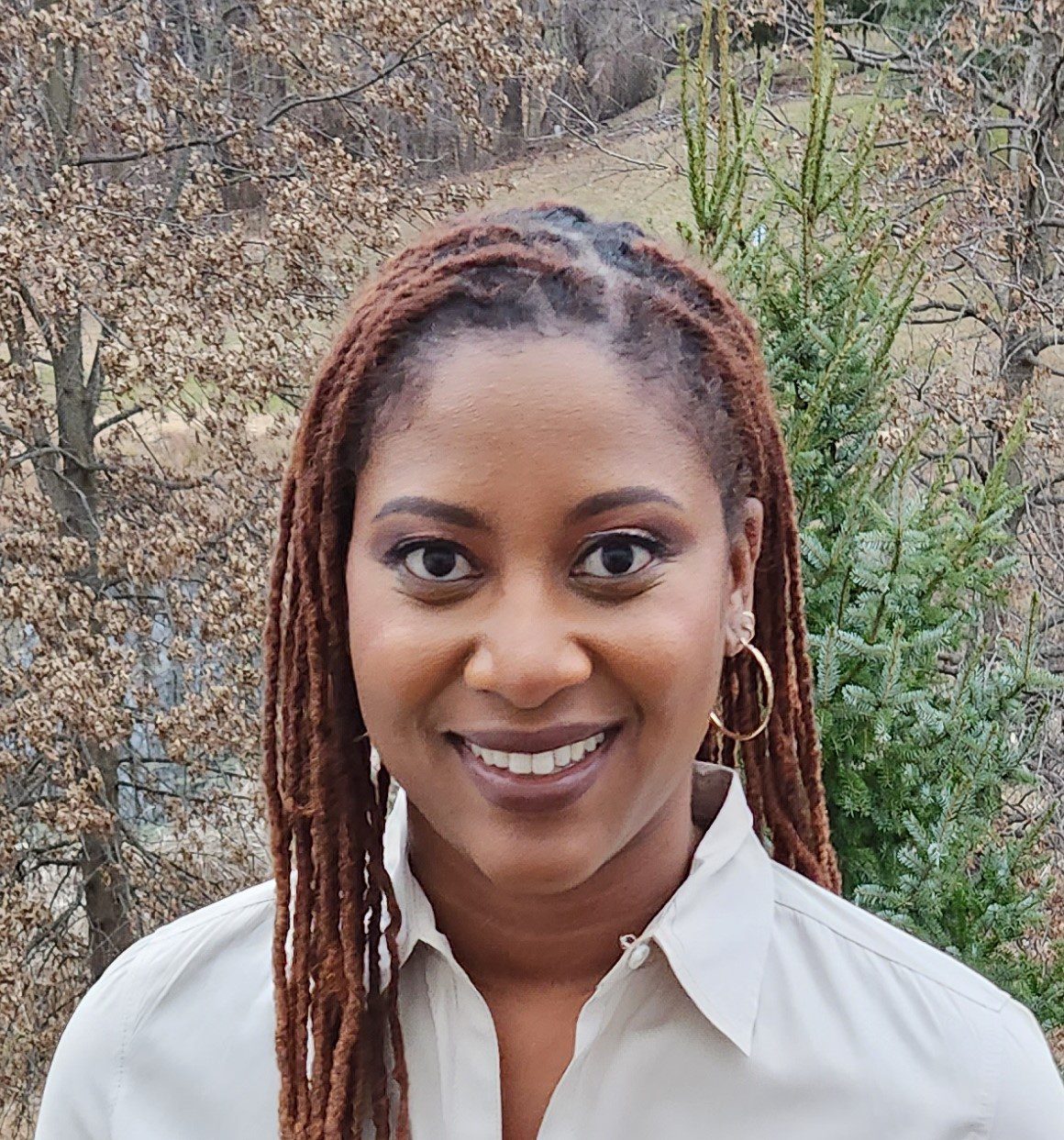
ZeAmma Brathwaite
Vice President of Health, Abt Global
One of ZeAmma Brathwaite’s biggest achievements is building a 20-year career in health care across a wide range of organizations, including nonprofits, consulting firms, associations and the federal government.
These diverse experiences have given her a well-rounded perspective on the challenges and opportunities within the U.S. health care system.
Abt Global supports the administration’s health care priorities by delivering cost-effective, evidence-based solutions that improve outcomes. The organization streamlines operations through advanced analytics, digital health tools and strategic program design. Its work enhances government efficiency by ensuring programs are scalable and grounded in real-world data.
Why Watch
In 2025, Brathwaite’s team is heavily focused on integration. Abt is combining its deep health care expertise with the IT modernization and secure systems integration capabilities of its digital services division, TSPi. The team ensures deployed technology is evidence-based, aligned with mission objectives and validated by experts who understand the policy, legal and scientific frameworks behind the work.
“ZeAmma consistently champions the needs of her clients, translating deep insights into impactful strategies that drive meaningful results,” said Debra Cammer Hines, Abt US government lead. “Her ability to combine creativity with a profound understanding of client challenges underscores her exceptional results for the healthcare industry. She brings a rare blend of strategic foresight, integrity, and compassion and challenges her colleagues to bring the best of Abt Global to meet their needs.”
Fun Fact: Most people don’t know Brathwaite is a well-traveled foodie and a surprisingly picky eater. She has tasted dishes from street vendors in Bangladesh to fine dining in South Africa — but she still won’t eat mushrooms. Exploring global cuisine is one of her favorite parts of travel, even if she approaches every plate with a bit of skepticism.
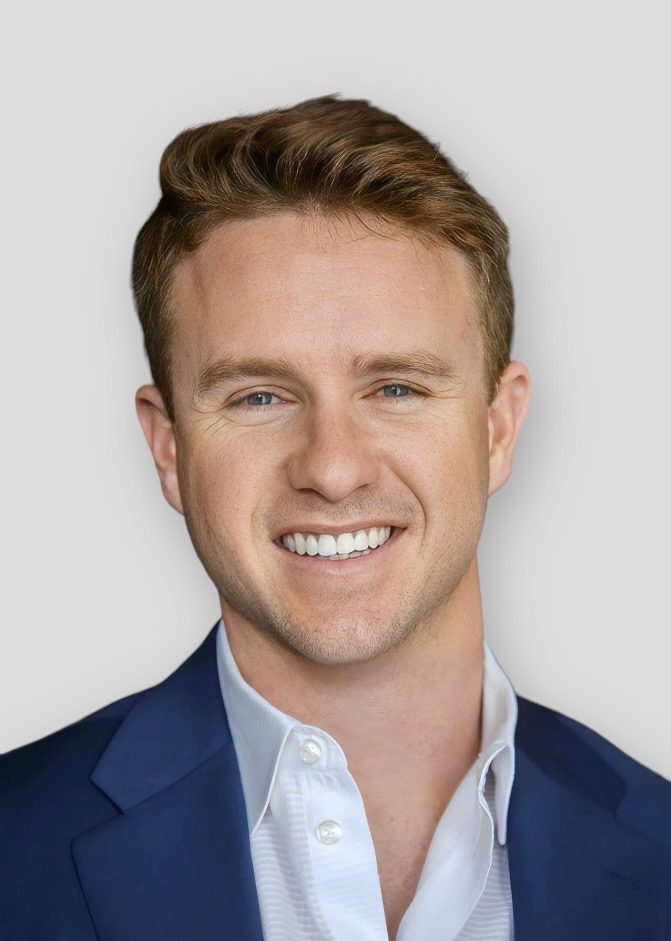
Nick Kinsman
Director of Federal Healthcare & US Enterprise, Epoch Concepts
Nick Kinsman recently aligned Epoch Concepts’ engineering and leadership teams to utilize its technical capabilities to improve veteran healthcare.
In terms of aligning with the current administration’s priorities to reduce cost, streamline operations and improve government efficiency, Epoch Concepts is evaluating technology debt and working with teams to develop strategies to improve outcomes and minimize excess overlapping costs.
The focus on time to value is one Epoch Concepts strives to push forward to ensure that technology is never the delay that impacts patient care to serve the veteran community.
“Nick embodies the values we stand for at Epoch Concepts: integrity, dedication, and a relentless drive to make a difference. His leadership, work ethic, and passion for our mission have made a lasting impact on our team and the clients we serve. I’m proud to have him on our team,” said Wendy Ripley, vice president of FED, SLED & Enterprise at Epoch Concepts.
Why Watch
In 2025, Kinsman’s team is focused on evaluating technology overlap and working to consolidate workloads to improve real time data for patient care. They are also focused on accelerating the time to value for technology projects.
“Our team has grown year-over-year while focusing on a mission to serve Veterans and the community. Our work revolves around IT – but we always ask the question: ‘how does this impact the Veteran?’ We will continue serving to bring the best possible outcomes for our Veterans,” Kinsman said.
Fun fact: Kinsman coaches youth athletics helping young teens choose their career or college paths that align with their life goals.