The cyber threat landscape keeps shifting: new threats, more vulnerabilities, smarter attacks. Government and industry are in a constant battle to spot risks early and defend critical systems before damage is done. As both sectors modernize legacy infrastructure and bring in emerging tech, cybersecurity leaders are the ones making it all work — strategically, efficiently and securely.
WashingtonExec’s Top Cyber Execs to Watch in 2025 features the government and industry leaders out in front. They know how to protect systems and data, lead high-performing teams and navigate complexity with clarity. They’re not just keeping up; they’re setting the pace.

Alice Fakir
Senior Partner & Vice President, Cybersecurity Services, US Federal Market for IBM Consulting
Alice Fakir leads IBM’s efforts to help federal agencies use the latest AI-powered security tools to streamline operations, protect sensitive data and keep critical work moving without interruption — while ensuring they quickly see results from these advanced cybersecurity solutions.
Fakir points out that AI tools help teams move faster by enabling the analysis of large amounts of data to identify patterns that could signal cyber risk. These tools save time and allow teams to focus on more complex, strategic work.
Still, establishing a framework for governance, risk management and compliance can sound overwhelming at first.
“But it’s like practicing good habits for staying healthy — doing the right things early leads to healthier outcomes,” Fakir said. “Whether you’re deploying a new system or improving an existing one, identifying and addressing cybersecurity gaps and compliance needs early helps reduce risk and improve overall preparedness.”
Why Watch
Recently promoted to senior partner, Fakir is focused on how AI can make federal cybersecurity operations more efficient, and how the right tools — paired with strong processes — can improve resilience and build trust across entire agencies.
Fakir led the development of one of the first agentic AI solutions in cybersecurity: IBM CyberAgent. This tool helps cybersecurity teams take preventive action and respond quickly to threats, putting control back in the hands of security operators.
She also helped launch IBM’s state-of-the-art cyber response training facility in Washington, D.C. The facility offers agency cybersecurity teams the opportunity to experience realistic cybersecurity attack scenarios, helping to strengthen cybersecurity awareness and build a stronger agencywide security culture.
“As cyber threats become more complex, Alice’s focus on AI-powered cybersecurity solutions — designed to automate threat detection and strengthen how federal agencies respond — matches the urgent need to defend government systems across the board,” said Susan Wedge, managing partner of U.S. federal market for IBM Consulting.
Fun Fact: In the early days of Operation Iraqi Freedom, Fakir led a Defense Department contractor team that tackled supply chain vulnerabilities. Their work helped shape the governance, risk and compliance framework still used across DOD today. That experience later guided her work with major financial institutions, including Morgan Stanley and JPMorgan Chase & Co., before she returned to federal leadership roles.

Amanda “Mandy” Satterwhite
Managing Director, Cyber Mission Enablement, Accenture Federal Services
Amanda Satterwhite’s teams have expanded and scaled zero trust solutions across the Defense Department, delivering enterprise-level resilience across a complex and distributed environment.
By integrating advanced identity, access and micro-segmentation strategies, she accelerated DOD’s shift to a proactive cybersecurity posture. Her teams’ continued insertion of innovative technologies simultaneously enabled the advancement of broader cyber mission capabilities, strengthening national security capabilities across all domains.
Why Watch
In 2025, Satterwhite continues to drive the integration of AI-enabled cyber tools that proactively detect, adapt and mitigate emerging threats. Her teams also lead cutting–edge initiatives in space cyber operations, ensuring the nation’s assets and infrastructure are resilient against next-generation threats in contested domains — survivability is critical.
Streamlining mission delivery while reinforcing cyber readiness across the federal enterprise are key priorities.
“Our initiatives directly support the administration’s priorities by reducing cyber operating costs through automation, consolidating duplicative infrastructure(s), and enabling leaner, agile cyber operations,” Satterwhite said.
Lastly, her teams will continue to lean in on quantum-resistant solutions to position Accenture Federal Services at the forefront of safeguarding the future cyber landscape as global threat vectors evolve.
Fun Fact: When not flyfishing, Satterwhite loves to “play in the dirt,” which includes everything from mushroom foraging to working on her green thumb. She’s especially proud of her peonies and roses this spring.

Andrew Speir
Vice President, Advanced Cyber Solutions, Core4ce
Andrew Speir built Core4ce’s Advanced Cyber Solutions practice, a highly specialized team that delivers comprehensive cybersecurity services to federal and commercial clients.
He connected customers with seasoned experts, many of whom helped pioneer the offensive security industry in the early 2000s, ensuring every engagement is grounded in real-world experience.
“Today, we lead Core4ce’s support to the Defense Health Agency, securing the global MedCOI network for over 250,000 users and delivering defensive cyber operations as part of the Naval Information Warfare Center, Atlantic Cyber Security Service Provider, one of only 23 USCYBERCOM-accredited cybersecurity service providers,” Speir said.
Core4ce CEO Mike Morehouse said Speir was promoted to business unit lead in 2024 based on his strong record of developing trusted relationships with customers, his proven business acumen and his innovative vision for Core4ce’s Advanced Cyber solutions practice.
Meanwhile, Core4ce is aligning with the current administration’s priorities by developing AI-powered applications to optimize workflows, match appropriate talent to contract needs and streamline proposal processes.
Why Watch
In 2025, the Advanced Cyber Solutions team is focused on identifying vulnerabilities that threaten its clients’ critical data and IT assets, and delivering the insights, tools and methods needed for strong cyber defense. The team leverages unique access to cyberthreat intelligence and tailors services to meet the complex, evolving challenges faced by today’s agencies, institutions and organizations.
Over the past year, the team refined its cybersecurity approach around a clear priority: protecting the most critical digital assets through its Find, Fix, Fortify methodology. Its perspective is shaped by understanding enterprise IT the way attackers do — as a series of exploitable opportunities — informing every step it takes to strengthen defensive posture, Speir said.
“This informs us all that we do to enhance the defensive posture of our customers and deliver security solutions that don’t just address today’s vulnerabilities but build resilience against tomorrow’s emerging threats,” he added.
Fun Fact: Speir is an Eagle Scout.
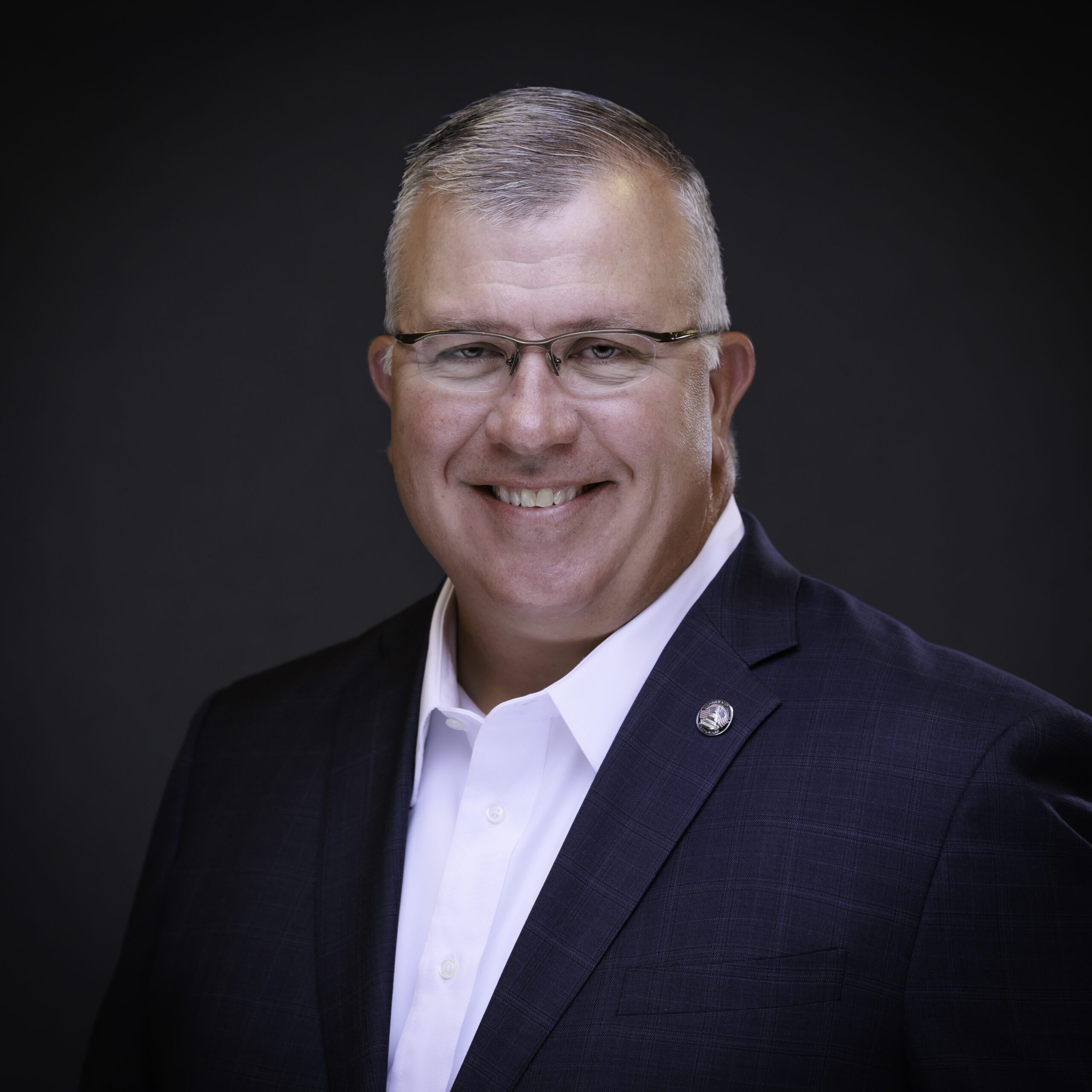
Brad Williams
Senior Vice President, Cyber, CACI
Brad Williams is a strategic leader advancing CACI’s cyber domain to meet the evolving needs of national security missions. He draws on more than 30 years of experience building high-performing teams and delivering technology that drives measurable results for government customers.
As senior vice president for CACI’s cyber line of business, Williams oversees the development and delivery of integrated, software-defined solutions that support the Department of Defense and Intelligence Community. His efforts have reinforced CACI’s role as a trusted partner in today’s high-stakes digital battlespace.
Most recently, Williams has redefined and sharpened the company’s cyber strategy—laying the foundation for long-term growth. Under his leadership, CACI is enhancing its traditional offensive capabilities, scaling support for mission operations, and delivering solutions powered by secure architectures and rapid-response services.
“CACI is investing ahead of customers’ needs to stay ahead of threats and solve the challenges of this modern cyber environment,” Williams said. “We are building upon our current strengths and ensuring our customers are equipped to proactively address vulnerabilities and respond with agility when threats emerge.”
Why Watch
Cyber is a critical pillar of our national defense strategy, and Williams is focused on positioning CACI at the forefront of the mission. He is spearheading efforts to expand and enhance the company’s cyber capabilities to meet a wider range of mission needs. By integrating technologies like artificial intelligence and machine learning, Williams is helping customers stay ahead of evolving threats and outpace adversaries in today’s complex digital landscape. His strategic direction reinforces CACI’s commitment to defending critical infrastructure and providing an information advantage for its government partners.
“Brad is an essential force behind our continued growth in the cyber market,” said CACI President of U.S. Operations DeEtte Gray. “His leadership is accelerating innovation and enhancing CACI’s ability to empower our customers in a rapidly evolving threat landscape. As we navigate the complexities of the digital age, our investment in cybersecurity underscores our resolve to safeguard national interests.”
Fun Fact: Williams is a proud father of twins who both compete in club lacrosse on separate teams. He and his wife spend much of their free time traveling the mid-Atlantic, cheering on their children from the sidelines year-round.

Brian “Stretch” Meyer
Field Chief Technology Officer, Axonius Federal Systems
From the Cybersecurity and Infrastructure Security Agency’s project management office for continuous diagnostics and mitigation, Brian “Stretch” Meyer positioned Axonius Federal Systems as the first vendor to automate core CDM program capabilities and streamline FISMA and FITARA visibility.
This recognition wasn’t just a product win. It was the result of tireless work by his team and the often-unseen professionals who brought their FedRAMP authorization across the finish line, he said.
Meyer has a rare ability to connect policy, mission and technology in ways that drive real progress in federal cybersecurity, said Tom Kennedy, general manager and vice president of Axonius Federal Systems.
“What sets Stretch apart is his unique background across the intelligence community, tactical and strategic DOD networks, and satellite communications,” Kennedy said. “I’ve seen him in rooms with senior DOD and federal civilian leadership. He not only understands their challenges, but genuinely thrives in helping them solve complex, mission-critical problems.”
Why Watch
In 2025, Meyer’s team is heavily focused on deepening its partnership with DOD to modernize the CMRS program, building on recent success where Axonius was publicly recognized at AFCEA TechNet Cyber for leading visibility modernization. The team is focused on taking fragmented cybersecurity operations and turning them into automated, scalable, zero trust-aligned ecosystems. The mission is clear: simplify security, increase speed to value and reduce overhead for agencies that can’t afford inefficiency.
Axonius helps agencies reduce cost and complexity by providing automated, scalable solutions that eliminate manual asset discovery and analysis. A large part of Meyer’s role is helping leadership recognize how much time is spent maintaining homegrown tools, when their teams could be focused on closing real security gaps. He said Axonius replaces that overhead with automation that works.
Meyer said he’s proud of how his team delivered value where it matters most — in automated solutions that cut through complexity, reduce overhead and make zero trust actionable.
“In a time when agencies are being asked to do more with less, we’ve given them the tools to stay secure and efficient. That’s the real win,” he said. “(As Yoda says), ‘Do or do not. There is no try.'”
Fun Fact: Everyone calls Meyer “Stretch” — he’s 6-foot-8. He started his IT career in the Air Force’s Aircraft Weapons field, then moved into small systems and cybersecurity. As an intern with the Base-Level Client Support Team, he managed system configurations and tracked incidents. Years of hands-on experience, including 12-hour shifts in the Middle East, laid the foundation for his computing security degree from Drexel and shaped his focus on practical, mission-ready solutions for the public sector.

Chris Cleary
Vice President, Global Cyber Practice, ManTech
Chris Cleary led the development of ManTech’s cyber strategy centered on the principles of ”Deter, Defend, Dominate.” This framework aligns with Defense Department and U.S. Cyber Command priorities by emphasizing a proactive posture that denies adversary objectives, defends critical infrastructure and dominates the cyber domain. It’s a strategy built for speed, resilience and mission assurance in contested environments.
“In today’s fight, dominance doesn’t just come from firepower,” Cleary said. “It comes from the ability to deter, defend and dominate in cyberspace with speed, precision and purpose.”
Why Watch
In 2025, Cleary’s team is focused on scaling mission-aligned cyber capabilities that imporve the impact of non-kinetic systems — tools relatively inexpensive, rapidly deployable and unconstrained by physical range. They’re enabling DOD and Cyber Command to project power in cyberspace with speed, precision and persistence. It’s about turning digital advantage into operational dominance.
“At ManTech, we’re aligning closely with the administration’s goals by delivering secure, scalable solutions that reduce redundancy and simplify legacy systems,” Cleary said. “We’re leveraging AI, automation and zero trust frameworks to cut costs and drive mission outcomes. Our approach is results-driven: helping agencies do more with less while enhancing resilience and readiness.”
Fun Fact: Cleary was a two-time All-American rugby player at the U.S. Naval Academy and was inducted into the Naval Academy Rugby Hall of Fame. Playing rugby at that level taught him teamwork, resilience and controlled aggression, lessons that translated directly into both military service and cyber leadership.

Erica Banks
Vice President, Booz Allen
In the wake of recent cyber aggression from the People’s Republic of China, Erica Banks’s team at Booz Allen is working with the federal government to deter efforts of state-sponsored cyber actors to disrupt federal networks.
The team works with 13 federal agencies to prevent and protect against successful intrusions, equipping operators with real-time insight into the security posture and control state of the federal enterprise. This visibility helps agencies identify and remediate vulnerabilities before bad actors can exploit them to conduct espionage, steal data and harm national interests, she said.
According to Kelly Rozumalski, senior vice president of Booz Allen’s national cyber defense business, Banks brings exceptional leadership, precision and strategic foresight to every part of her work — from delivering complex cybersecurity solutions that secure federal networks and infrastructure to managing multistakeholder programs with efficiency and impact.
“Her ability to balance technical depth with program execution has been instrumental in achieving outcomes that exceed expectations,” Rozumalski added.
Why Watch
In 2025, Banks’s team is staying at the forefront of deploying cybersecurity tools with innovation and efficiency. They’re focused on protecting the nation’s critical infrastructure from damaging ransomware attacks and data breaches. For example, they’re assessing how an AI-enabled solution can discover and remediate security vulnerabilities.
Working closely with federal agencies, Booz Allen procures cybersecurity tools on their behalf. Through technology partnerships, the company has saved the government over $1.3 billion, achieving more than 70% in cost savings and enabling the deployment of critical capabilities across more agencies.
“I’m proud of our team’s work to support a 24/7/365, national-level, no-fail mission to defend national assets and provide cyber resiliency across federal networks,” Banks said. “We are excited to work with every federal agency to revolutionize their operational visibility and drive the implementation of emerging tech solutions to tackle today’s challenges and prepare for tomorrow’s threats.”
Fun Fact: Banks’ first real job was as a telemarketer where she learned how to talk to people around the country and that engineering was more of a skill set.

Greg Rudy
General Manager, Encryption, Ultra I&C
In the past year, Greg Rudy led the expansion of Ultra I&C’s key management technologies into several high-priority defense programs. This innovative encryptor development will deliver measurable operational cost savings and enhanced system resilience in contested environments. The initiative further solidified Ultra I&C’s position as a trusted partner in national cybersecurity infrastructure.
Ultra I&C is strategically aligned with federal priorities through delivery of scalable, modular COMSEC management solutions that substantially reduce total ownership costs.
“We simplify sustainment through comprehensive inventory tracking; centralized control systems and secure remote rekey capabilities — significantly improving operational efficiency across geographically dispersed assets,” Rudy said. “Our technology is purposefully designed to support agile acquisition and mission-readiness while maintaining rigorous security standards and regulatory compliance.”
Why Watch
This year, Rudy’s team is focused on advanced key and COMSEC lifecycle management solutions to meet the demands of Joint All-Domain Command and Control operations. They’re driving innovation in COMSEC management to ensure highly reliable secure communications at the tactical edge. Their goal is to deliver mission assurance while reducing lifecycle complexity and costs.
Rudy consistently delivered exceptional results in expanding the company’s key management technologies across critical defense programs, and his deep understanding of both technical requirements and operational challenges enabled Ultra I&C to provide resilient cybersecurity solutions that directly address defense partners’ needs, said Mladen Brkic, senior vice president and chief financial officer at Ultra I&C.
“His contributions to our COMSEC lifecycle management solutions have positioned Ultra I&C as an indispensable partner in national security infrastructure,” Brkic added.
Fun Fact: Originally beginning his career in consumer electronics, developing software for CRT computer monitor manufacturing in San Diego, Rudy pivoted to cybersecurity while seeking a career path less vulnerable to outsourcing. Beyond his professional life, he’s an enthusiastic volleyball player in a Sunday league and a dedicated supporter at his children’s various sporting events and musical performances.
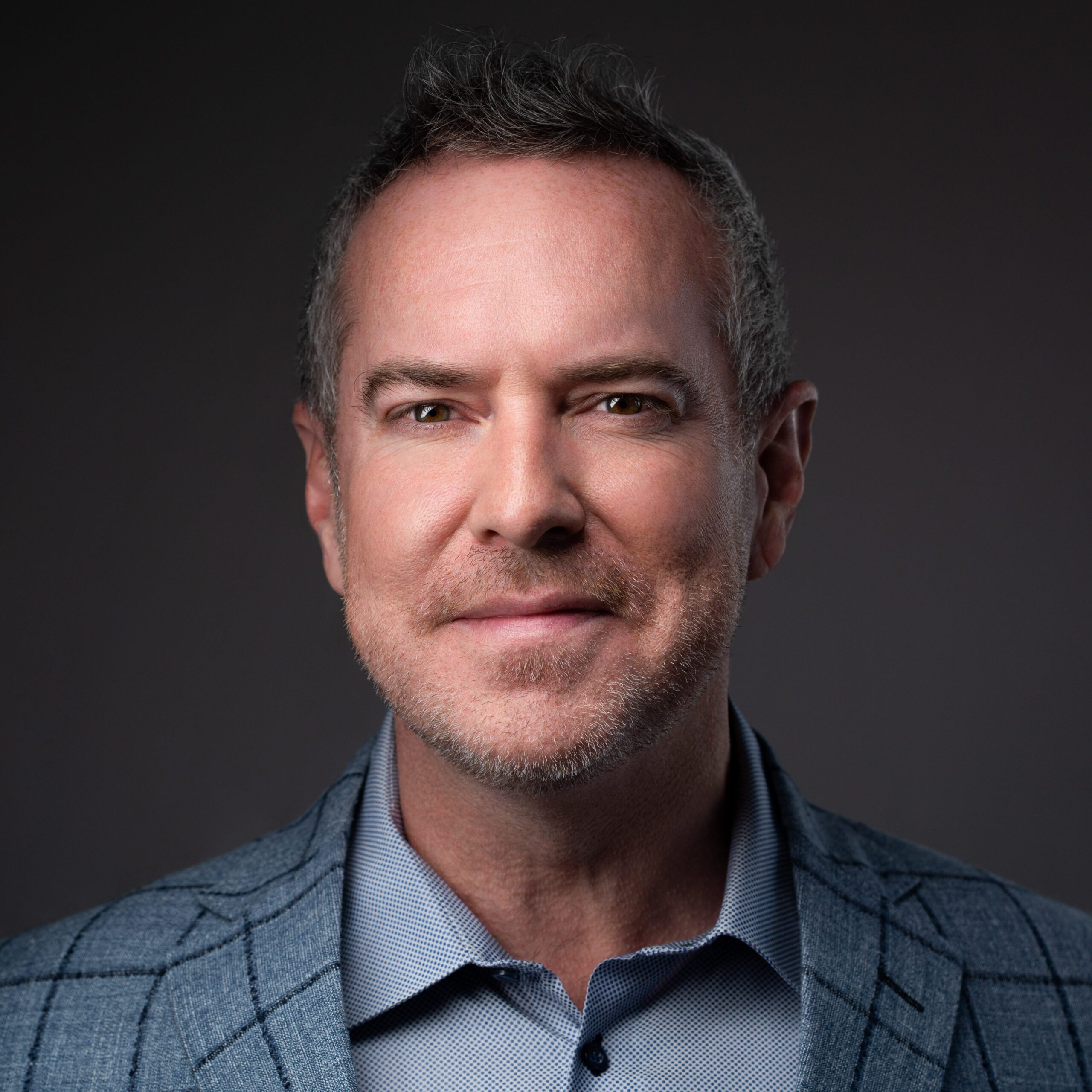
James Yeager
Vice President, Public Sector, Abnormal AI
Leading Abnormal to achieve FedRAMP Moderate Authorization in just 256 days stands as a defining milestone for James Yeager. This designation empowers federal agencies to deploy Abnormal AI’s AI-native human behavior security platform quickly, requiring no rules, tuning or ongoing maintenance.
It’s a key step toward modernizing email security in the face of increasingly sophisticated, AI-powered email threats, including phishing, business email compromise, vendor fraud and account takeovers.
The Abnormal Behavior Platform simplifies cybersecurity operations by reducing manual tuning, eliminating false positives, and automatically remediating threats. Abnormal AI’s seamless, API-based integration enables rapid deployment without operational disruption — cutting costs and increasing time-to-value for agencies. In an era of tight budgets, limited human capital and escalating threats, they’re delivering smarter security with less complexity, Yeager said.
“James has a rare ability to connect cutting-edge innovation with real-world mission outcomes,” said Michael DeCesare, president of Abnormal AI. “His leadership is not only transforming how federal agencies approach email security but also redefining what effective cybersecurity looks like in an era dominated by AI-driven threats. He’s building trust, driving results, and helping government partners modernize at the pace of today’s risks.”
Why Watch
This year, Yeager’s team is focused on expanding secure adoption of AI-native cybersecurity across the public sector, especially as email-based attacks grow more advanced. The team is pushing beyond FedRAMP Moderate toward FedRAMP High and DoD IL5, while also helping shape GovRAMP for state and local adoption. And they’re committed to giving agencies the tools to detect and stop threats before damage is done.
“I’m incredibly proud of how our team is helping federal agencies shift from reactive defense to proactive resilience,” Yeager said. “In today’s landscape — where AI-generated threats and nation-state actors are moving faster than ever — traditional approaches just don’t cut it. By delivering AI-native security that adapts in real time, we’re giving government leaders the confidence to modernize securely and stay ahead of their adversaries.”
Fun Fact: Yeager is a true foodie at heart. He loves to eat and cook. As a result, he invested in several restaurants in Northern Virginia and Atlanta.

Jeff Karrels
Senior Vice President of Cyber Systems, Two Six Technologies
Multiple successful transitions of new technology from DARPA to operational customers marked Jeff Karrels’ recent work. His team partnered with customers to develop new technology platforms that transitioned from DARPA research programs into fielded solutions, including platforms that support tens of thousands of daily users for the orchestration of U.S. government offensive and defensive cyber operations.
Personally, Karrels focuses on maintaining a balance of on-keyboard development time in addition to leading the Two Six Cyber Systems business unit, a team now exceeding 200 talented professionals.
“One of my top priorities is to provide members of the Cyber Systems team with exciting, challenging and rewarding career opportunities within Two Six,” Karrels said. “In appreciation for everyone working incredibly hard, I want to make sure they have exposure to innovative technologies, important customers, and direct connections to mission activities.”
Why Watch
In 2025, Karrels’ team is focused on expanding into new domains and building technology that goes beyond traditional cyber capabilities. Working with the Defense Department and intelligence community, they’re combining resources to tackle complex threats across multiple mission areas.
Two Six is aligned with the administration’s priorities, especially within the Cyber Systems business unit. The focus isn’t on growing headcount or studying problems — it’s on delivering innovative, scalable solutions that make an immediate impact.
“Jeff Karrels embodies Two Six’s strategy to deliver innovative technologies at speed,” said Joe Logue, CEO of Two Six Technologies. “He is the senior leader of our Cyber Systems team that works tirelessly to create, deploy and support new platforms and capabilities that enable critical missions of the U.S. government.”
Fun Fact: Karrels is an avid pilot who built his own plane, which he flies weekly with family, coworkers and friends.

Jim Coyle
US Public Sector CTO, Lookout
Jim Coyle’s biggest recent achievement centers on being laser focused on raising public sector awareness around mobile threats, conducting intelligence threat briefings for customers, prospects, various media outlets, elected officials and various intelligence organizations.
Many don’t know of the prevalence, intensity or importance of mobile security, and that paradigm is finally starting to shift.
“Jim has done more to help educate government organizations about the reality of mobile threats than anyone else — not just in the industry, but in government itself, through the sheer amount of intelligence briefs he’s been doing,” said Tim LeMaster, worldwide vice president of system engineering at Lookout.
Lookout is the leading mobile security vendor providing protection to the identity of the mobile device owners through advanced phishing techniques, anti-malware capabilities and contextual data to shift agencies to get them “left of boom,” or more aware of attacks against individual identities before a breach occurs.
Leveraging its AI capabilities and recent updates, Lookout streamlined the acquisition of its products across multiple contracts by partnering with top resellers, system integrators and Carahsoft. By protecting key entry points in today’s mobile-first environment, Lookout helps reduce mean time to detection and boost protection with efficient, innovative solutions.
Why Watch
In 2025, Coyle’s team is focused on helping the Defense Department and its partners protect not just mobile devices but the digital identities of warfighters exposed by today’s mobile-first environment. Attackers now target mobile devices first, using phishing via social media, SMS and apps to exploit user identities. This remains an unsolved problem in DOD, leaving warfighters vulnerable.
“If there is one thing that we can accomplish this year, it’s to provide protection of the mobile devices and the identities it contains of the warfighters and government employees who strive to protect us every day,” Coyle said. “With mobile now being the target of choice for most threat actors, it’s time to modernize security operations, and bring zero trust to the mobile computing age with highly efficient and innovative products, and Lookout can help solve that.”
Fun Fact: For the last few years, before boarding a plane for a conference or customer meeting, there’s a good chance Coyle was on his tractor just hours earlier. It’s a striking contrast — orchard farmer turned security executive. When he’s not reviewing intelligence reports or analyzing data, he’s in his orchard, working to make it productive enough to feed more than just the local wildlife and maybe even get a bite himself.

Jim Myers
Senior Vice President, Civil Systems Group, The Aerospace Corp.
Jim Myers’ biggest recent achievement was delivering value to the U.S. government and commercial space communities in their pursuit of global space leadership and their development of new, evolving ecosystems in all domains of space, including cislunar and low Earth orbit, which are regions of widespread, growing interest.
Aerospace has shown the value of placing cyber intrusion detection capabilities onboard satellites. Supporting multiple U.S. government missions, two Aerospace prototypes — SpaceCOP and DARS — have successfully demonstrated capabilities in space that leverage machine learning techniques to quickly identify and alert space operators to threats, such as GPS interference and spoofing, which can compromise entire space architectures.
Aerospace Corp. supports the administration’s goals to cut costs, streamline operations and boost efficiency by challenging outdated practices in government. As operator of the nation’s FFRDC for space, its work helps agencies make better decisions, save taxpayer dollars and bring private-sector innovation to national missions, including those at the Pentagon and NASA.
As the U.S. extends its global leadership through new visions for space development and exploration, the value of Aerospace’s insights into commercial and developmental space capabilities and technical lessons learned ultimately empowers and enables the innovators, investors and especially warfighters on the front lines of American growth, security and prosperity.
“As the nation’s trusted partner for space and a leading architect for the nation’s space programs, Aerospace is committed to outpacing the threat, enabling new capabilities, and connecting end-to-end across intelligence, defense, civil and commercial partners,” said Tanya Pemberton, executive vice president at The Aerospace Corp.
“These sectors are integrated, and addressing a threat in one strengthens the security of all. Jim Myers and his Civil Systems Group team at Aerospace continue to deliver immense value, independent insights, and unmatched technical expertise to keep emerging U.S. space capabilities resilient across the board.”
Why Watch
Myers and his team are focused on ensuring cybersecurity protections are considered and integrated end-to-end throughout the nation’s emerging space architectures. The U.S. commercial space sector is thriving — with new capabilities and achievements being demonstrated by the day — and the U.S. government is wisely moving to leverage the pace of commercial space innovation.
Aerospace is advancing capabilities intended to outpace cyber and other threats to the country’s national security to further a new era of space commercialization and exploration.
“Space-cyber threats are dynamic, indiscriminate, and always on,” Myers said. “They can reach American interests anywhere, including the frontiers of space, where the costs of compromise are incredibly high. The price of security is our continuous vigilance as well as commitment to information-sharing and collaboration to ensure end-to-end resilience and enable the integration of game-changing cyber defense technologies into the evolving ecosystems we are building in space.”
Fun Fact: Myers is focused on building the technical skills and workforce needed to keep the U.S. competitive in space, a priority for Aerospace Corp. He spent over a decade mentoring veterans through American Corporate Partners, served seven years on the MATHCOUNTS board (including one as chair), and is now in his seventh year teaching business at UCLA’s Anderson School of Management.

John Murphy
Director, Cybersecurity Products and Cross Domain Solutions, BAE Systems
John Murphy drives the strategic growth of cybersecurity products and cross-domain solutions for the defense and intelligence community. These products are a key component of a defense-in-depth approach to cybersecurity, specifically for network boundary protection.
Through customer collaboration and mission-focus, Murphy and the team significantly grew the CDS business by introducing new solutions to the U.S. market. Their hardware-based CDS provide an even higher level of security with the speed of field programmable gate arrays. They launched small-form factor and tactical CDS to support missions outside of the wire with all the benefits of connecting back to the cloud for the warfighter. These flexible and scalable solutions meet growing needs without compromising on cost or performance.
“By fostering collaborative relationships with our customers, we understand their unique challenges and opportunities around network resilience and threat deterrence,” Murphy said. “We help navigate complex technical needs while meeting government requirements. There is a strategic focus on usability and security where we provide custom, high-performing, and cost-effective solutions.”
CDS implement multiple layers of hardware and software-based redundancies and failsafes. A collection of carefully designed and stringently tested components enforce a predefined policy for highly sensitive network boundaries. These products accelerate secure software delivery. They enable sharing and managing of battlefield and intelligence data from all sources and domains to carry out critical missions across the globe.
Why Watch
In 2025, Murphy’s team is focused on driving new business and delivering high-quality cybersecurity products that are on time and on budget – meeting mission need and speed. In alignment with market and government objectives, the team is focused on the accelerated delivery of secure and reliable software solutions to best equip commercial users, critical infrastructure, and U.S. joint forces.
“John’s customer-centric approach is rooted in an appreciation of the human side of innovation, where he co-creates solutions to tackle their most pressing needs,” said Jeff Bongianino, director for advanced GEOINT systems at BAE Systems. “He provides a market-differentiating experience – one that earns our customers’ trust and keeps them ahead of the curve in an ever-evolving landscape.”
Fun Fact: As a former Division I athlete, Murphy carries his passion for teamwork and leadership into volunteering. He’s the vice president for the Ashburn Athletic Association, a nonprofit dedicated to providing recreational and competitive sports to the youth in his community. Outside of the office, you can find him spending time with his family at their lake home – enjoying his role as grandpa.

Jon Check
Vice President of Cyber Protection Solutions, Nightwing
Jon Check oversees a team that steps up to help customers navigate complex cyber challenges in real time — often without additional resources.
His team introduced creative approaches to cyber training, mission execution and operational resilience that deliver meaningful results. It’s a testament to the team’s commitment to innovation, flexibility and putting mission first.
“Sometimes it’s about value creation for customers,” Check said. “At Nightwing, we’re not afraid to challenge outdated models if it means delivering faster, smarter, and more efficient outcomes for our government partners. From modernizing legacy systems to embedding automation and Zero Trust into mission workflows, we focus on transformation that drives both performance and cost savings.”
Bob Coleman, CEO of Nightwing, added:
“From streamlining operations to scaling cyber protection without scaling cost, Jon’s work is redefining how we partner with customers across government and industry. He’s showing that innovation and efficiency aren’t tradeoffs—they’re how we win the future of cybersecurity.”
Why Watch
In 2025, Check and his team are focused on training defenders to think like attackers — using a mix of human insight and AI to stay ahead of emerging threats. With Nightwing Labs, teams are getting immersed in real-world offensive tactics so they can stay one step ahead, not just react to what’s coming. It’s all about ensuring customers stay protected at the pace of the threat.
“I’m proud of how our team shows up—with creativity, urgency, and a deep sense of mission,” Check said. “We don’t wait for ideal conditions; we solve hard problems in real time, often without new funding or fanfare. That’s what makes this work meaningful—and why I believe we’re making a real difference.”
Fun Fact: Check grew up wanting to be a park ranger — and at one point, dreamed of becoming a professional bass master.
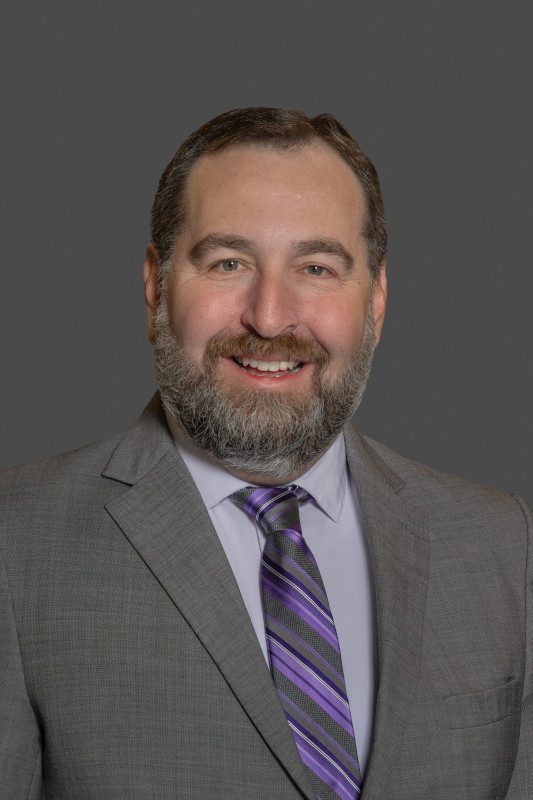
Josh Salmanson
Vice President, Defensive Cyber Practice, Leidos
Josh Salmanson led the charge in advancing defensive cyber capabilities through automation, speed and scale. By integrating innovative technologies and processes, his team successfully enhanced detections, curated threat intelligence to inform risk mitigation vulnerabilities and strengthened the security posture of critical systems.
Moving forward, he aims to continue driving impactful solutions that empower customers to stay ahead of evolving cyber threats.
“Josh’s leadership in the Defensive Cyber Practice has been instrumental in driving innovation and delivering solutions that protect our customers’ most critical assets,” said Paul Wilkinson, senior vice president and digital modernization practice leader at Leidos. “His ability to combine technical expertise with strategic vision sets him apart as a true leader in the cybersecurity space.”
Why Watch
In 2025, Salmanson’s team is heavily focused on delivering cutting-edge defensive cyber solutions that leverage automation and AI to outpace adversaries. They’re committed to scaling these capabilities to meet the growing complexity of cyber operations while increasing the resiliency of mission-critical systems. Their goal is to enable customers to achieve operational success in an increasingly dynamic threat landscape.
Cybersecurity isn’t just about defense but about enabling mission success by staying ahead of adversaries through innovation, speed and resilience, Salmanson said.
“For me, it’s deeply personal because I have family members and friends in uniform—every solution we create is designed to safeguard the people, systems, and data that drive critical operations,” he said. “By staying ahead of adversaries through innovations in technology and operations, we ensure our customers can focus on their missions with confidence.”
Fun Fact: Salmanson is a proud father of five, with three sons who served or are currently serving in the U.S. Army. Their military paths have taken the family to remote parts of the country, giving them a chance to experience its diversity and beauty firsthand.

Kevin Mackey
President, Epoch Concepts
Kevin Mackey grew Epoch Concepts from a small team into a company of over 80 employees. Under his leadership, the company expanded its federal business and built a strong foundation in the private sector.
Today, Epoch Concepts is gaining ground in the commercial market, using its expertise in cybersecurity, AI and classified environments to meet emerging customer needs.
“Kevin is the kind of leader every organization aspires to have,” said Marcus Smiley, CEO and founder of Epoch Concepts. “He combines deep technical expertise with sharp business insight, and that balance has been key to our growth. Kevin leads by example. He lifts those around him, fostering trust, and building lasting relationships with our customers, partners, and team.”
Epoch Concepts recently announced a collaboration with Second Front Systems, a public-benefit software company that helps deliver mission-critical software solutions. By combining Epoch Concepts’ expertise in federal hardware integration with Second Front’s DevSecOps platforms—2F Game Warden and 2F Frontier—the partnership will accelerate the deployment of compliant, secure technology across the Defense Department.
The effort aligns with Executive Order 14271, issued in April 2025, on “Ensuring Commercial Cost-Effective Solutions in Federal Contracts.”
Why Watch
Mackey aims to expand Epoch Concepts’ role as a pre-sales engagement team that delivers strategic services for emerging technologies. He’s focused on growing sales and services by uniting edge computing and data analytics to meet localized needs.
He also plans to push further into the commercial sector, targeting customers focused on cybersecurity and data protection — areas where Epoch’s classified DOD experience gives it a competitive edge.
“My journey has always been driven by a passion for innovation, people, and purpose,” Mackey said. “From my early work in artificial intelligence at NASA, to growing federal sales at Sun Microsystems and helping build Epoch Concepts from the ground up, I’ve worn a lot of hats. The common thread has been finding smart, strategic ways to help customers succeed. Today, I’m proud to lead a team that’s shaping the future of IT and cybersecurity in some of the most critical sectors of our country.”
Fun Fact: Mackey is passionate about giving back to the community. He supports the Denver Rescue Mission, which helps homeless individuals get back on their feet through drug rehabilitation programs and job training. He also supports Volley4Charity, which raises money for selected local charities, and co-chairs GovEvolve, which supports small businesses in the federal space, helping to lobby for policies beneficial to smaller companies.

Mark Maglin
Vice President, Cybersecurity Services for Defense and Intelligence, ECS
“Vince Lombardi said: ‘Perfection is not attainable, but if we chase perfection, we can catch excellence.’ I always strive to push myself and my team just a bit further, to continuously improve,” said Mark Maglin.
He’s most proud of his Army Endpoint Security Solution team, which has been in the trenches helping the Army transform into a zero trust architecture. That work is part of ECS’ ongoing mission of helping the Army defend its 750,000 endpoints by providing managed service operations and enhancing the platform’s capabilities.
ECS has been proud to be a key part of that mission for years, as AESS remains the Army’s first and only true managed security service. Moving forward, the AESS team is focused on testing and incorporating new technologies, developing and recommending new security policies and doctrine, and training the next generation of cyber warriors. They’re always learning and giving that extra effort — chasing perfection.
“Under Mark’s leadership, ECS has become a trusted force multiplier for Army Cyber Command: delivering advanced, scalable solutions that directly strengthen our national defense,” said Peter Santighian, senior vice president of defense and intel at ECS. “Mark and his teams’ commitment to NatSec mission success continues to drive ECS’ reputation as a premier partner to the U.S. government in the cybersecurity domain.”
Why Watch
2025 is a year of rapid change, both in technology and policy. As DOD focuses on accelerating transformation and reforming acquisition, Maglin’s team is focused on both the now — defending networks with what they have today against nation-state threat actors — and a future of continuous innovation.
Maglin and his team are always learning, evaluating new and emerging technologies — including AI and quantum computing — and exploring applications for customers’ missions.
“If you see something, say something,” Maglin said. “Cybersecurity is all about threat data. We have to increase cyber threat intelligence at machine speed across the DoD, government, SLED, DIB, critical infrastructure, and commercial enterprises. The technology is there; policy is the only thing holding us up.”
Fun Fact: Maglin is an avid sailor with over 20,000 nautical miles under his belt, mostly from offshore racing. He sees sailing as the ultimate test of self-reliance, teamwork and endurance, requiring discipline even when exhausted. For him, the reward is simple: the quiet beauty of sunsets, sea life and time off the grid.
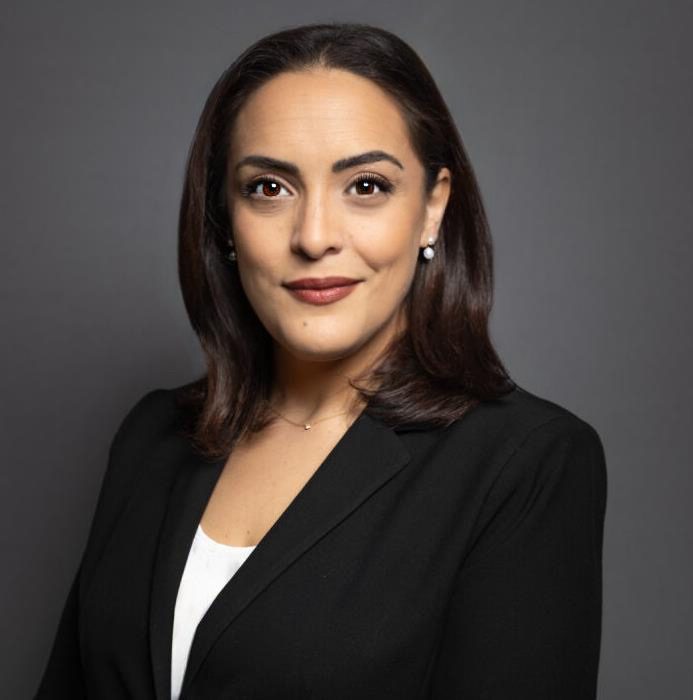
Nabeela Barbari
Vice President of Cyber, Law Enforcement, Intelligence, and Citizenship Business Area, GDIT
As a recent addition to GDIT, Nabeela Barbari’s greatest achievement was transitioning from the public to the private sector while maintaining her strong commitment to the homeland security mission.
Her work spans law enforcement, continuity of government, cybersecurity and advancing national emergency response through technology. Her leadership and results-driven mindset already made a notable impact across the organization.
“I have been continuously impressed by Nabeela’s leadership and ability to adapt in this dynamic market,” said Aaron Bedrowsky, GDIT senior vice president for intelligence and homeland security. “Nabeela joined GDIT under the leadership of our late homeland security vice president, Dan Smith, who often praised her experience and results-oriented mindset. I’ve witnessed firsthand Nabeela’s impact on our organization in such a short time, and I look forward to watching her continue to grow in this space.”
GDIT is also aligned with the administration’s priorities by delivering outcome-driven modernization through data operationalization, automation and artificial intelligence-powered solutions. From predictive analytics to strengthening its defensive posture at machine-learning speed, GDIT enhances efficiency and reinforces mission resilience.
With deep expertise and a longstanding commitment to homeland security, the company helps federal leaders focus on high-impact, inherently governmental responsibilities while reducing operational burdens.
Why Watch
This year, Barbari and her team are focused on enhancing GDIT’s artificial intelligence, cyber and mission software capabilities through strategic partnerships that support the critical work of the intelligence community.
“Transformation isn’t a milestone; it’s a mindset,” Barbari said. “The best outcomes come when you lead with purpose, stay grounded in mission and measure success by what others gain from your work.”
Fun Fact: Barbari is always seeking opportunities to learn something new and especially enjoys doing so alongside world-class experts. A few years ago, she attended the Cayman Cookout, led by Eric Ripert, where she cooked with and learned from renowned chefs such as Anthony Bourdain, Gordon Ramsay and José Andrés. She’s also a passionate fan of Washington’s football team.
Ray DeMeo
Chief Growth Officer, GrammaTech
Ray DeMeo’s biggest recent achievement is shaping the business and advancing the message of GrammaTech’s ability to both secure and modernize critical software and cyber-physical systems.
“We are now seeing this take root in customer engagement, strategic teaming agreements, and new contract wins,” he said.
GrammaTech is also encouraged by the current administration’s priorities to reduce cost, streamline operations and improve government efficiency.
GrammaTech meets the definition of a small, agile and innovative business that aligns with the new DOD mandate to procure software through Software Acquisition Pathway and flexible contracting tools. A recent DOD memo highlights that outdated, bureaucratic processes slowed the delivery of cutting-edge software, leaving critical department systems vulnerable. GrammaTech sees this firsthand and is highly supportive of the change.
“Our industry is at a strategic inflection point as defined by the legendary Andy Grove,” DeMeo said. “It’s a time when business fundamentals are about to change, presenting opportunity to rise to new heights for those who can recognize and adapt. Our amazing GrammaTech team is ready. We’ve always been ready. And now, the system is finally catching up.”
Why Watch
In 2025, DeMeo and his team are deeply focused on enabling organizations to deliver secure code faster and at lower cost, applying technology developed with DOD use cases as a priority. This goes hand-in-hand with GrammaTech’s capabilities to enable secure-by-design DevSec pipelines for edge-cloud environments that are essential to hosting AI compute and cyber-physical systems.
Fun Fact: DeMeo considers himself lucky to be one of seven kids raised in a close-knit family. He credits his parents with instilling lessons of self-reliance, hustle, perseverance and a positive attitude—qualities that have made all the difference in his life.
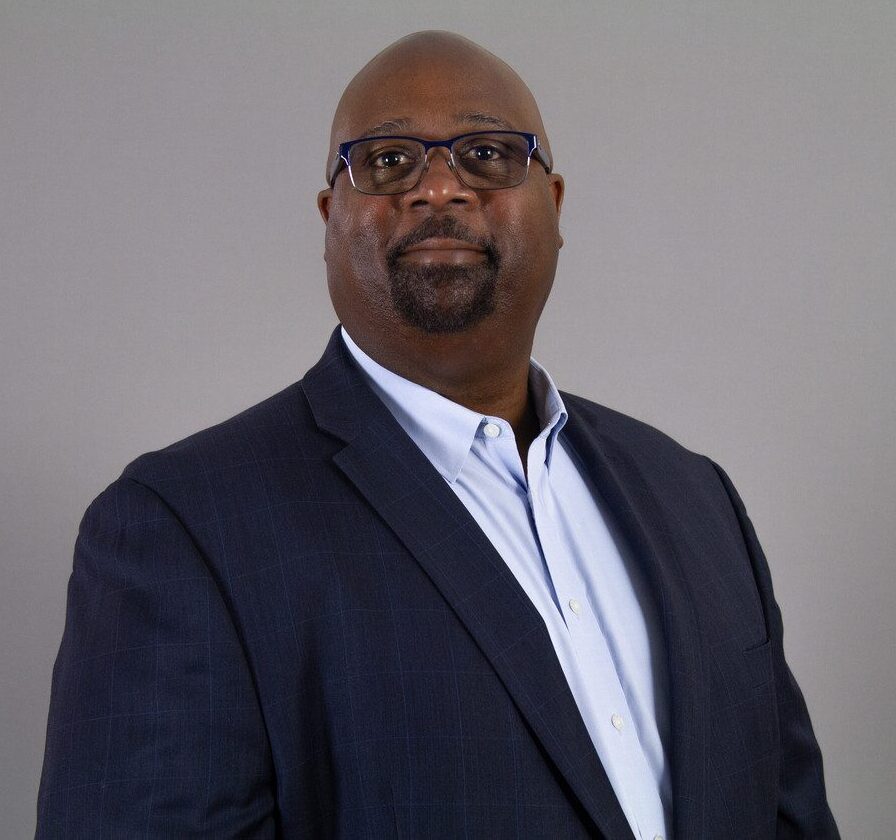
Ron A. Davis
Vice President & Chief Information Security Officer, ASRC Federal
Since joining ASRC Federal in September 2024, Ron Davis directed a comprehensive technology strategy to further strengthen the company’s cybersecurity posture and align with customer requirements. Given ASRC Federal’s broad portfolio and array of customers, Davis is leveraging his 25 years of experience to keep ASRC Federal responsive to opportunities to innovate and ready to act when challenges occur.
Davis and his team are also prioritizing partnering with customers and industry colleagues to protect and secure data and information. As threats evolve, effective communication and innovation are essential in safeguarding our digital assets – and U.S. national security.
“Ron is amazing – he brings so much knowledge, experience and positive energy to our team and our company,” said John Pisano, chief information officer of ASRC Federal. “He takes on challenges with enthusiasm and is always looking for ways to innovate and improve. We are fortunate to have him!”
Why Watch
Always innovating and learning, Davis and his team are focused on ensuring ASRC Federal maintains a strong information security program, including achieving industry certifications and updating policies, procedures and standards. Davis also sees his team as a resource and knowledge source for employees, so he reaches out across the company to build connections and relationships.
“This is a strong team with a lot of cyber expertise,” he said. “In order for ASRC Federal to be successful in this endeavor it will take the ‘whole village’. This is why I tell our IT Teams that Cyber is a team sport!”
Fun Fact: In his spare time, Davis studies cosmology (i.e., physics and astrophysics as it relates to the origin and evolution of the universe).
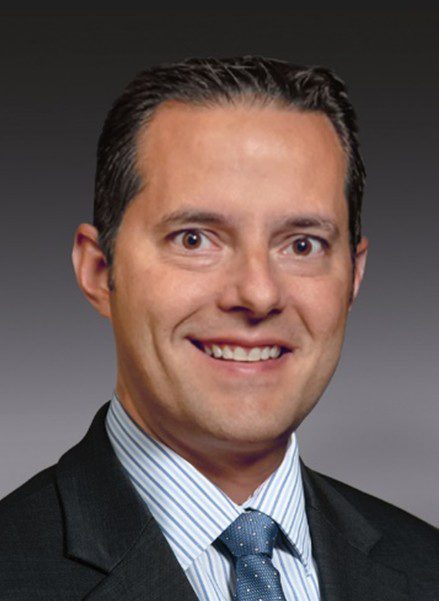
Ron Fodor
Cyber & Intelligence Portfolio Leader, HII Mission Technologies
Ron Fodor and his team play a vital role in offensive and defensive cyber operations, intelligence integration and cybersecurity modernization, focusing on strengthening cyber resilience and the seamless integration of new technologies and capabilities for customers.
Fodor has over two decades of experience supporting offensive cyber operations as well as an extensive background in intelligence, engineering and business leadership. His career path, from the U.S. Air Force to executive leadership in industry and technology organizations, reflects his deep expertise in information security and business management.
“In today’s cyber climate, leaders like Ron must navigate complex nation-state cyber threats while securing critical infrastructure for government customers,” said Grant Hagen, president of Mission Technologies’ Warfare Systems group. “Ron’s expertise will drive innovation and enhance cybersecurity strategies well into the future.”
Why Watch
Fodor’s cybersecurity leadership is essential as global threats grow and the defense sector faces new challenges. With deep experience in cyber operations, intelligence and engineering, he delivers solutions that meet the complexity of today’s security environment.
His background positions him to navigate shifts in technology — from cellular to cloud to AI. His team brought several key cyber technologies to market:
FortisAI, a powerful big data solution using large language models and generative AI that unlocks the potential of publicly available information for improved situational awareness;
SABERHUNT, a scalable, reliable, deployable cyberspace threat-hunting sensor; and
VENOM, an advanced cyber tool for passive data collection and analysis.
These technologies shape how Mission Technologies is delivering the advantage to support national security. Fodor’s work will continue to be pivotal in securing infrastructure, modernizing cyber operations and steering the industry toward a more resilient digital future.

Stephen “Zak” Zakowicz
Senior Vice President, CGI Federal
Stephen “Zak” Zakowicz oversees critical cybersecurity efforts to safeguard federal agencies from malicious actors. The work he leads plays a key role in the federal cybersecurity strategy to protect agencies and critical infrastructure from adversaries.
In 2024, Zakowicz oversaw the implementation and operation of a real-time threat-hunting solution within the Cybersecurity and Infrastructure Security Agency’s Continuous Diagnostics and Mitigation program’s shared services platform. By deploying endpoint detection and response and persistent access control capabilities across the federal civilian executive branch, Zakowicz and his team created a solution that gives CISA real-time visibility into more than 400,000 endpoints through a unified view.
This expansion provides threat hunters with a more complete view of the threat landscape and enables stakeholders to collaborate across agencies, allowing responses to happen in hours instead of weeks.
Safeguarding federal data and systems from adversaries is both difficult and essential, said Clay Goldwein, senior vice president and leader of the National Security and Justice business unit at CGI Federal.
“Zak is laser focused on achieving client outcomes through creative solutions and innovative technologies, ensuring the federal government is more resilient and better prepared to address current and future cybersecurity threats,” Goldwein added.
Why Watch
This year, Zakowicz is focused on applying federal and commercial best practices to build more efficient, cost-effective shared services for agencies. He’s working to expand managed cybersecurity services across government, using AI to improve data quality, boost efficiency and accelerate threat detection and response. The goal: better outcomes, lower costs and stronger protection against adversaries.
“Delivering cybersecurity as a fully managed service accelerates timeliness and reduces costs through standardized processes,” he said. “Leveraging the government’s buying power to take advantage of volume purchases under single agreements has proven to be better for the government and the commercial vendors bringing innovation to the market. Understanding and making the most of the commercial capabilities to the government’s benefit is an important intersection.”
Fun Fact: Zakowicz has competed in archery since age 10, a passion that led him to James Madison University, where he was ranked sixth in the nation. Today, he serves on the board of directors for the JMU Archery Alumni Association, which helps draw students into the sport and supports its long-term viability at the university.
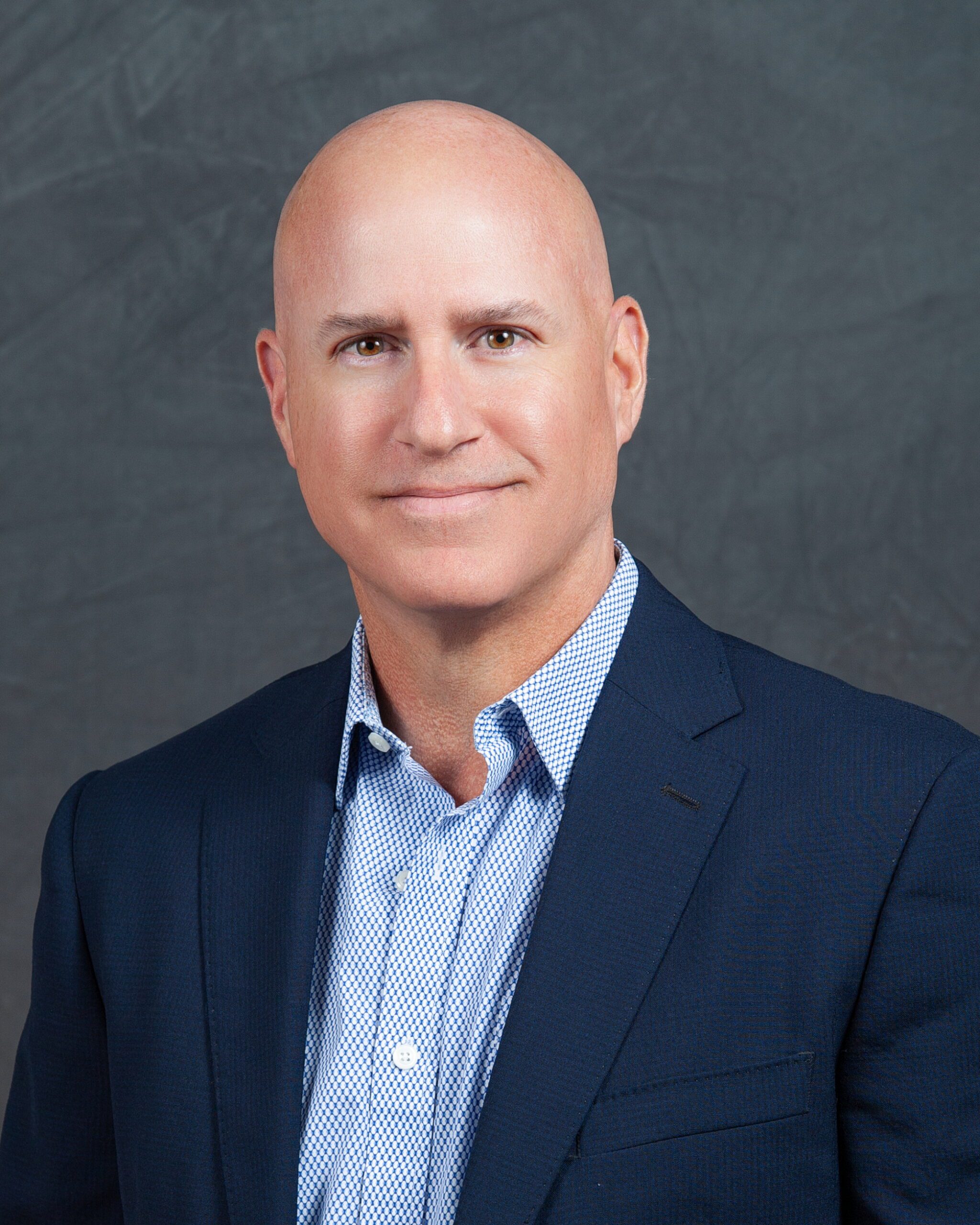
Tim Langan
Corporate Vice President & Deputy Chief Information Security Officer for Government, Microsoft
Prior to coming to Microsoft, Tim Langan was responsible for the FBI’s Criminal, Cyber, Crisis Response and International Operations Divisions. Even as his role changed, he considers one of his key achievements to be reinforcing that the mission remains the same.
“Cybersecurity is the ultimate team sport, it necessitates that we collaborate across public organizations, private organizations, government agencies and international agencies,” Langan said. “We share information and research, and we keep the lines of communication open 24/7.”
Collaboration and transparency are pillars of Microsoft’s cybersecurity mission to ensure a comprehensive defense against cyber threats.
Why Watch
A top priority for 2025 is defending against nation-state actors and adapting to the evolving threat landscape. In addition, Langan and his team are focused on proactively addressing insider risk across the company.
“We will continue to consider the impact of technologies like AI and agents, the motives of threat actors, and the well-being of the security team, and above all, supporting our customers in their security journey,” he said.
Fun Fact: Langan’s first job was working at a grocery store as a bagger. He started on his 16th birthday.