 The cyberthreat landscape is constantly evolving — creating new challenges, expanding vulnerabilities and resulting in more sophisticated hacks and breaches. Government and industry alike are in a never-ending fight to preemptively detect threats, constantly protect and actively defend systems, networks and enterprisewide IT infrastructures. And as the federal and private sectors modernize legacy systems and integrate new and emerging technologies, the cybersecurity execs leading these efforts are always working to strategically, efficiently and securely improve and innovate system processes.
WashingtonExec’s Top Cyber Execs to Watch in 2022 list highlights executives in both government and industry consistently staying one step ahead of adversaries, equipped with the technical know-how to safeguard systems and information. They have achieved significant milestones and goals with the support of strong leadership, teams and processes, and they possess the know-how to navigate the complexities of the cyberthreat landscape.
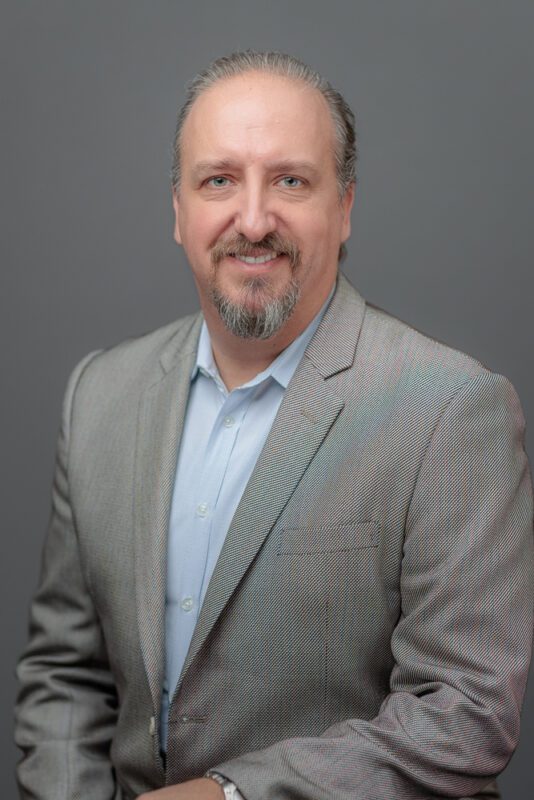
Clifford Webster
President, Blackwatch International
Appointed president of Blackwatch International in October 2018, Clifford Webster quickly led the successful acquisition of FutureWorld Technologies, a Defense Department cybersecurity and enterprise IT provider, and secured a patent for OneVision, Blackwatch’s proprietary artificial intelligence approach to data fusion.
OneVision analytical powers are applicable to virtually any high-stakes situational awareness challenge in national security, from bomb detection to rapidly evolving homeland security crises. In one high-profile instance, Webster leveraged OneVision’s capabilities to establish agile, automated Authority to Operate processes, significantly reducing the time to create and submit an ATO package for approval.
“Cliff Webster has a demonstrated history of improving companies and has been invaluable in leading our growth trajectory,” said Ron Trowbridge, Blackwatch CEO. “Cliff’s mission is simple: to accelerate technology and innovation for our customers.”
Additionally, Webster opened new Blackwatch offices in Sacramento, California, to further collaborate with DOD customers on the West Coast and provide research and development of full-spectrum cybersecurity critical infrastructure and manufacturing capabilities. Currently, he’s assembling an expanded leadership team focused on data correlation, cybersecurity, trusted supply chain and defense of critical infrastructure tied to Blackwatch’s client mission.
Webster believes service delivery is simpler than most make it. He learned the principles of sound service delivery from his father, a service-disabled veteran and life-long federal service provider.
“My father always said: ‘Solve the problem quickly and it never existed. Let the problem linger and they will never forget,'” Webster said.
Why Watch
Webster will soon announce the rebranding of Blackwatch, an expansion of the Blackwatch management team and is seeking acquisitions that strengthen market differentiation of Blackwatch’s cybersecurity and critical infrastructure solutions from its competition through a focus on trusted supply chain and defense of critical infrastructure.
“Agility is key in today’s changing workplace for employees and employers alike,” Webster said. “New workplace behavior regarding remote work, distance learning and telehealth are motivating forces for employees. We need to continue to stay ahead of that curve and provide personal and professional growth opportunities for our team as much as we need to serve and protect our customers. It’s a win-win situation for both.”
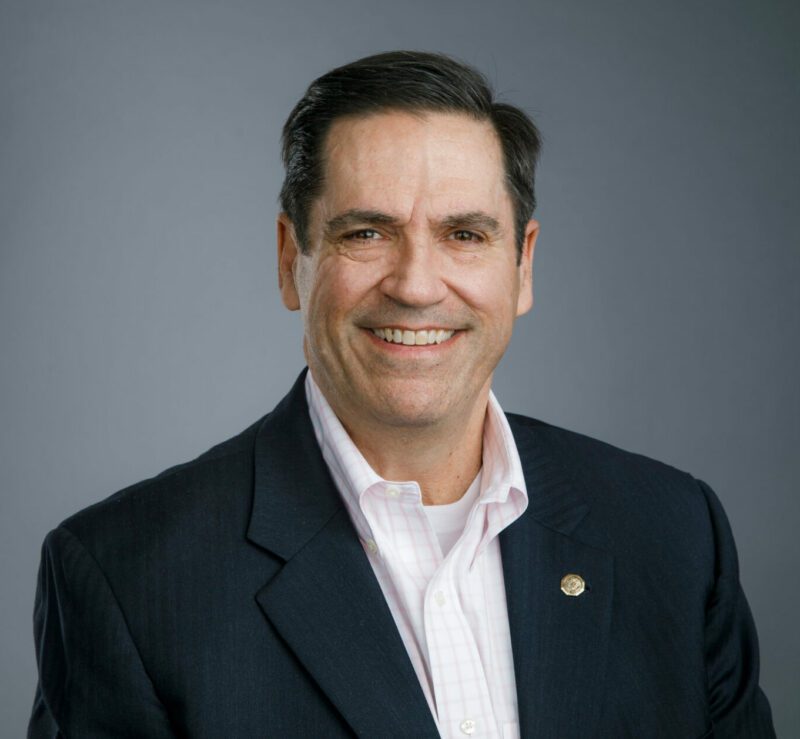
Robert Carey
President, Cloudera Government Solutions
Robert Carey’s biggest achievement has been his 39 years of service to the nation as a civilian, naval officer and now as a member of industry serving the government’s mission.
“One of my recent achievements was to meet with several federal CIOs and communicate the value of their data as a strategic asset and see the ‘light bulbs’ go off . . . in that they get it and understand it’s an opportunity to further their mission and provide greater insights to decision making in their agencies,” he said.
Scott Aronson, Cloudera chief operating officer, noted Carey and his team’s success.
“Rob and his team have done a great job of providing a focus for their government customers that supports the acceleration of their digital transformation using Cloudera,” Aronson said.
Why Watch
In 2022, Carey and his team are heavily focused on data movement and implementation of private cloud computing. Moreover, they are focused on the first simple step to locate and move (data flow and streaming) data, followed by data engineering and data warehousing and lastly, analytics.
“We believe that we can support government customers to use low-code to simplify and enable their data acquisition, transformation and delivery to a place (data lake or warehouse) whereby the customer can accelerate their mission by increasing the accuracy of analytics and data science initiatives,” Carey said.
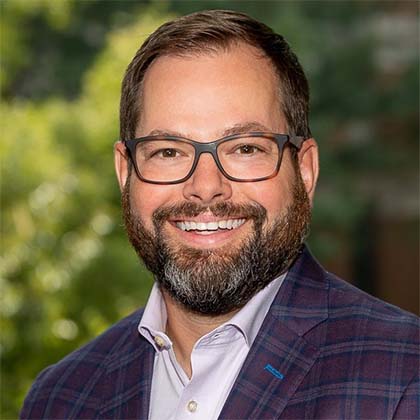
Aaron Faulkner
Managing Director & Cybersecurity Practice Lead, Accenture Federal Services
For Aaron Faulkner, safeguarding the nation’s most sensitive data isn’t just a matter of detect and respond; it’s about predicting and preventing.
As cybersecurity lead at Accenture Federal Services, Faulkner is putting that strategy into practice, developing transformative artificial intelligence, cloud and automation programs to protect the Defense Department and the intelligence community, as well as federal organizations across the public safety, civilian and health sectors.
Faulkner’s three years as cyber lead tells the story: 38% year-over-year cyber business growth, building a network of over 20 distinct cyber domains and disciplines and directing a team of more than 500 professionals. Recently, he secured a $112 million contract from one major government agency for cloud and AI solutions to defend against ransomware, botnets and malware, while increasing real-time visibility into cyber threats.
“As these attacks from bad actors continue to evolve, we must step up to meet the challenges with new, innovative and smart solutions,” Faulkner said. “That’s our enduring commitment to our clients, and to our country.”
Why Watch
Extended Detection and Response, the FedRAMP-authorized managed security service Faulkner is bringing to the federal space, is a market-changing system, built around a highly scalable centralized security operations center with cloud-based cybersecurity threat monitoring.
“Aaron has a standout ambition to bring measured and impactful security solutions at scale to the government,” said Tom Greiner, Accenture Federal Services technology lead. “He’s a true industry leader and innovator, continuously improving the way we assess and protect our nation’s critical systems.”

Caesar Nieves
Senior Vice President & General Manager, Cyber & Intelligence Business Unit, Jacobs
Caesar Nieves’ biggest recent achievement was completing year two of the transformation of Jacobs Cyber & Intelligence business. He also led two major acquisitions for Jacobs, one being The Buffalo Group, which provided a solid presence and reputation in the Defense Intelligence Agency, Central Command, U.S. Space Command and Army INSCOM.
The BlackLynx acquisition was a major evolution for Jacobs entering into the software- and technology-enabled ecosystem. BlackLynx allowed Jacobs to not only expand its footprint within the intelligence community, but also gain products and platforms able to deploy in the critical infrastructure markets.
All of this has led to wins at National Geospatial-Intelligence Agency, DIA, Army INSCOM and several classified customers. Nieves is especially proud of Jacobs’ nearly 4,000 resilient employees who never wavered serving vital customer missions throughout the pandemic while taking on important new client challenges and winning business that resulted in significant top- and bottom-line growth in fiscal year 2021.
Why Watch
In 2022, Nieves is focused on accelerating the cyber, data and digital solutions across the Jacobs global business. For example, Jacobs is an industry leader in critical infrastructure including water/wastewater and transportation where the company designs, operates and manages critical projects around the world. He and his team are increasingly bringing Jacobs cyber, data and digital solutions to these sectors as they digitize and security becomes a first-order priority.
Jacobs is also operationalizing major technology partnerships with established vendors and venture-backed startups to increase its position within important client technology ecosystems. In summary, 2022 is about expanding the global reach to become the core foundation for operationalizing and delivering creative, innovative, next-generation cloud, cyber, data and digital solutions across the company to enable Jacobs’ clients and partners globally.
“Data is proliferating at an unprecedented pace across public and private sector clients requiring security and actionable insights,” Nieves said. “We are deploying best-in-class products and software-enabled services that help our customers sift through the noise and secure their enterprises.”

John DeSimone
President, Cybersecurity, Intelligence & Services, Raytheon Intelligence & Space
In 2020, John DeSimone was named WashingtonExec’s Cybersecurity Industry Executive of the Year at its annual Pinnacle Awards. In January 2022, the Discovery Channel and Science Channel featured his cybersecurity business, illustrating its cyber innovations on an episode of “Tomorrow’s World Today.”
DeSimone has grown a significant cybersecurity portfolio through revolutionizing and implementing flexible business models designed to respond to different customer sets.
“Our customer base is varied, and so the types of solutions they seek are often at opposite ends of the spectrum,” he said. “Some want reuse technologies that can be easily integrated and refreshed. Others prefer novel, customized solutions that no one else in the world uses. Our cyber experts can deliver both.”
DeSimone is most proud of the innovative people his business attracts and fosters.
“Our people set us apart,” he said. “We recognize there’s a significant talent gap within cybersecurity, which is why we’re committed to developing the next generation of talent. We’ve long partnered with the National Cyber Collegiate Defense Competition to attract and develop college students in the cyber field and a strong partner of Girls Who Code.”
Why Watch
In 2022, expect to see DeSimone’s business — a thought leader in zero trust — to be more active in helping customers implement zero trust as it becomes a government imperative.
“Consistent with our business model, we provide Zero Trust solutions both through off-the-shelf technologies and consultancy to bring together novel technologies to implement extensible, forward-looking Zero Trust solutions tailored to fit customer needs,” DeSimone said.
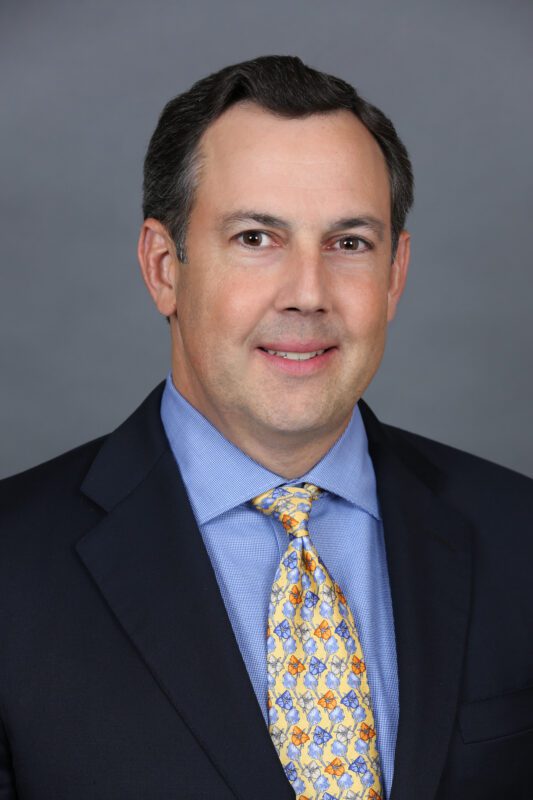
Bill Malone
President, Coalfire Federal
Over the last year, Bill Malone has led his clients through two of the most significant developments in cybersecurity: the federal adoption of cloud-first policies and the emerging Cybersecurity Maturity Model Certification program, all while focusing on employee “connectedness” through these challenging times.
Coalfire also received the Top Workplaces USA award in 2021.
Why Watch
“The government’s heightened focus on cyber is evident everywhere,” Malone said. “The Strengthening American Cybersecurity Act currently pending is just one example. In 2022, our focus is to securely enable our clients’ supply chains and protect their missions in the cloud.”
FedRAMP is key to the government’s cloud-first policy and Coalfire has become the nation’s preeminent FedRAMP adviser and assessor, working with the major cloud services providers in meeting and matching FedRAMP requirements for mission-critical services up to Impact Level 6 and making those cloud services available for government use.
As federal agencies move to ensure third parties entrusted with sensitive government information satisfy threshold cybersecurity requirements, Coalfire Federal has brought a practitioner’s perspective to help government contractors and suppliers understand and satisfy the exacting CMMC program requirements.
“While CMMC is the mandate for all organizations supporting the DOD, I believe it provides the model for securing supply chains across the federal government,” Malone said.
As the leading pure-play cybersecurity company in the federal marketplace, Coalfire remains a focal point for FedRAMP and CMMC implementation and thought leadership.
“We have over 20 years’ experience enabling government cybersecurity objectives and partnering with our clients to protect their missions,” Malone said. “The need for enhanced cybersecurity is even more acute in the ‘new normal’ hybrid work environment we now find ourselves and our clients in.”
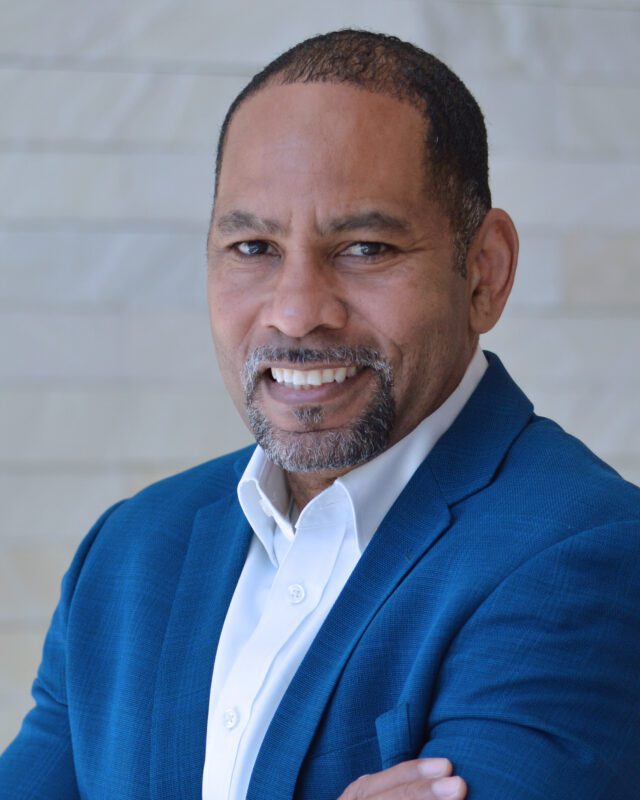
Dana Barnes
Senior Vice President, Public Sector, Palo Alto Networks
In the fall of 2020, Dana Barnes became Palo Alto Networks first-ever senior vice president of public sector, a role that combines the U.S. federal, state and local and education businesses. The position enabled him to take advantage of his experience in building high-performing teams across the public sector market.
For years, Palo Alto Networks has provided government organizations with cybersecurity solutions that offer trusted intelligence, visibility and automation to help them securely modernize their networks.
Under Barnes’ leadership, Palo Alto Networks expanded the overall reach of its federal team by increasing the number of federally focused resources; the pace of FedRAMP authorizations and Impact Level 4 and 5 certifications; and focus on the Defense Department and its unique cybersecurity requirements in alignment with the Biden administration’s executive order on improving U.S. cybersecurity.
Barnes also drove industry alignment across Palo Alto Networks education and state and local businesses, leading to a renewed focus on cybersecurity for key programs in healthcare, integrated eligibility as well as smaller K–12 districts across the U.S.
Why Watch:
In 2022, Barnes is heavily focused on the government’s needs for zero trust, both on-premises and in the cloud, as well as helping public sector customers align with the cybersecurity mandates. The goal is to continue the momentum and become the government’s top cybersecurity partner at the federal, state and local levels.

Kevin McNeill
Senior Vice President, Cyberspace Solutions, CACI
Kevin McNeill’s biggest recent achievement was supporting his department leaders and their staff by advising and successfully advocating for the resources they need, and collaborating with business partners in business development, contracts and capture to achieve a 100% win rate on all of the company’s re-competes over that last year and a half.
Why Watch
In 2022, McNeill and his team are heavily focused on growing CACI’s cyberspace operations and Research & Engineering Laboratory with strategic hiring by collaborating across the whole of CACI and working with their teammates. They intend to expand CACI’s capabilities to deliver mission technology and mission expertise across the full spectrum of cyberspace operations/CNO — with increased focus on mission-scale operations as the on-going asymmetric warfare fight expands under Great Power Competition.
“CACI is a powerhouse of technology across RF, Photonics, Cyber, C-UAS and much much more with a culture of collaboration across diverse technology and business units to solve our customers’ hardest challenges,” McNeill said.
“It’s my privilege to lead a team of over 500 talented scientists, engineers, developers, and program managers who put Mission First, go down-range in harm’s way, and work demanding hours knowing they can never talk about the successes they see in the headlines that they enabled,” he added.

Kevin Brown
Senior Vice President & Chief Information Security Officer, SAIC
Kevin Brown’s biggest achievement was creating a cybersecurity strategy and organization from the ground up, which included collaboration across the entire enterprise while demonstrating cybersecurity isn’t only about protecting the business but also enabling the business.
After a few months on the job, Brown reorganized his organization into four main areas: architecture, cybersecurity operations, governance, risk and compliance, and business engagement and resilience.
“This reorganization also included moving competencies out of the CISO organization (e.g., network security engineering and identity and access management) and integrating this expertise within the infrastructure and operations and service management teams in SAIC’s Information Technology organization. Cybersecurity is everyone’s responsibility and should be embedded as much as possible across an organization,” he said.
Before joining SAIC, Brown was vice president and CISO at Boston Scientific, a manufacturer of medical devices. In that role, he was responsible for many aspects of the company’s cybersecurity posture, including developing its cyber strategy, maintaining a security operations center and overseeing threat management.
Prior to his position at Boston Scientific, Brown served as vice president and deputy business manager of Raytheon’s cybersecurity business. Before that, he worked at SAIC as a SVP and operations manager for the company’s information security business.
“Rejoining SAIC in September 2021 feels like I have come full circle as my private sector cybersecurity career started at SAIC after I left the Navy in 1994,” Brown said. “It was great to merge back into a company with a compelling mission, culture, and appreciation for cybersecurity.
Brown served as an officer in the U.S Navy with assignments at the Space and Naval Warfare Command, National Security Agency, U.S. Naval Academy and U.S.S. Luce (DDG-38). He has a master’s degree in management information systems from The George Washington University and a bachelor’s degree in history from the U.S. Naval Academy.
Why Watch
Besides his CISO responsibilities at SAIC, Brown also provides cybersecurity strategic leadership and guidance for SAIC’s business programs and innovation factories. Through his Enterprise Cybersecurity Champion program, Brown’s team provides guidance, best practices and two-way communication and collaboration across the company.
“Kevin’s knowledge of cybersecurity operations and the threats that cyber professionals face on a daily basis position him as the expert SAIC needs to protect critical systems and data for our company and our customers,” said SAIC Chief Information Officer Nathan Rogers.

Victor Gavin
Head, Federal Technology Vision & Business Development, Amazon Web Services
In 2020, Victor Gavin stood up the Defense Department Strategic Development Team at AWS, which focuses on assisting DOD customers in their cloud journey.
In 2022, his team continues to focus on supporting the DOD mission space and diving deeper into cyber operations. As cyber intrusions continue to impact world events, the team is assisting DOD in securing its networks and applications, while also providing actionable insights and ensuring U.S. warfighters have continuous access to the capabilities they need, regardless of location or situation.
“Through Victor’s leadership, we’ve been able to enhance our support for the DOD mission and deliver leading cloud services to a variety of national security programs,” said Cedric George, director of DOD strategic business development for AWS. “This is helping raise the bar in critical areas like cybersecurity, and is more important than ever given the rapidly evolving threat landscape.”
Why Watch
Artificial Intelligence and machine learning will continue to be major technology contributors to the cyber mission area given the sheer amount of data DOD collects. AI and machine learning can enable DOD and many of its partners to derive better insights and improve their ability to defend the nation’s critical infrastructure.
“As defense technologies and capabilities continue to evolve at a rapid pace cloud technologies can help the DOD to rapidly adopt those changes to secure our nation’s strategic advantage,” Gavin said. “My team and I are focused on helping our defense customers understand how the cloud can enable them to achieve their missions faster, speed up innovation, and enhance their security posture.”
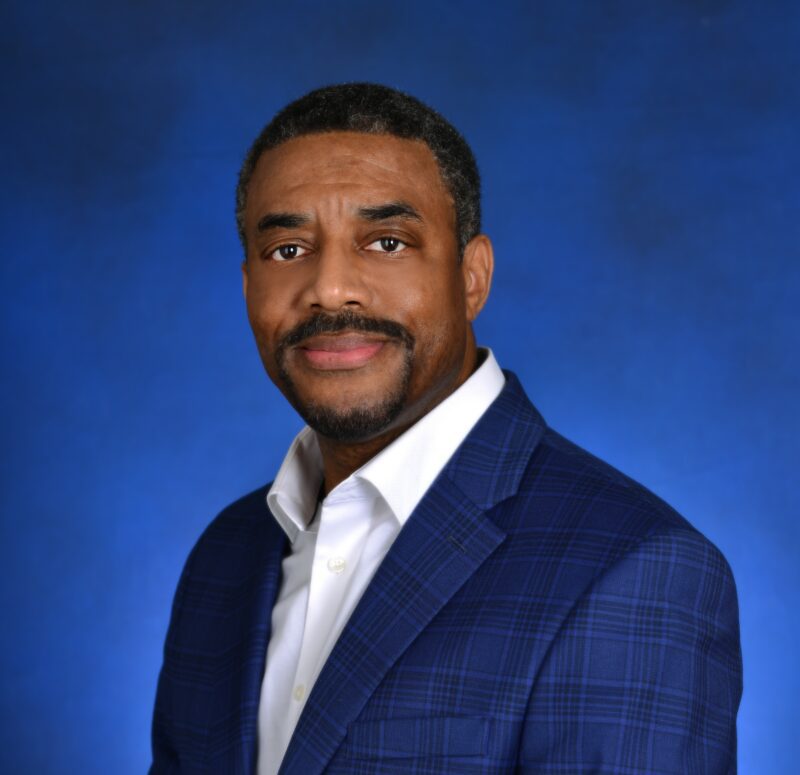
Ronald Moore
Chief Information Security Officer, General Dynamics Mission Systems
Ronald E. Moore joined General Dynamics Mission Systems as chief information security officer in 2015 and is the recipient of the prestigious Stephanie C. Hill Legacy Award for the 2022 Black Engineer of the Year Award.
Upon joining General Dynamics Mission Systems, Moore began helping the company successfully integrate two large cyber organizations, culminating in a new unified department culture that’s customer centric and focused on developing solutions that help meet the strategic objectives of the business.
Having served as a U.S. Marine for seven years, Moore’s allegiance to men and women in service is proven in his dedication to continuous improvement and innovation as he works with his teams to identify what’s needed to keep them safe.
As part of this focused effort to combat attacks, Moore designed strategies to mitigate targeted cyber intrusions and improve defenses against an advanced adversary. This resulted in the inception of Cyber360: the ability to detect suspicious activity in real time across the enterprise and respond with extreme prejudice to thwart a cyberattack or predict with supreme accuracy a potential threat, preventing a malicious event from occurring.
Moore is a motivational leader who supports his teams and encourages innovation, using the “fail fast” model to bring about agile change and advancement.
“Don’t be afraid to take risks,” Moore said. “It’s easy for us to want to do what’s comfortable. You have to be in a mindset that you’re willing to take risks and allow yourself to be challenged. It’s OK to make mistakes. What’s important is that you learn from them and move forward.”
Why Watch
Moore’s ability to navigate the current cyber landscape and translate critical needs into action is an essential asset to his role. He recently worked to implement key applications and processes to ensure General Dynamics Mission Systems stays ahead of cyber threats and evolves its zero trust model of operations.
In 2022, Moore is focused on building a secure digital foundation based on zero trust principles that aligns with the company’s strategic objectives. He’s planning to deliver on-demand access to cloud-based resources with enhanced security through zero trust network access and SD-WAN.
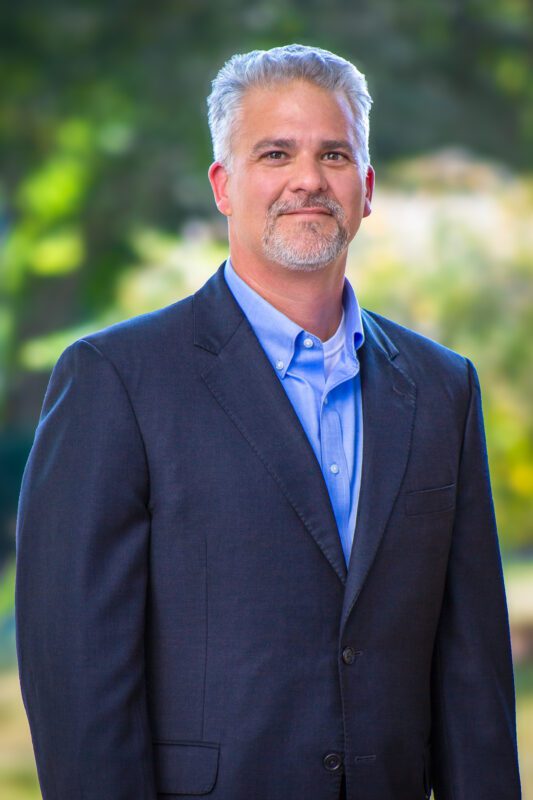
Tim Potier
Chief Information Security Officer, Parsons
Throughout a 25-year career, Tim Potier has built and worked with exceptional teams and support projects critical to U.S. national security.
A recent accomplishment he’s most proud of was the establishment of the Business Information Security Office. The BISO has transformed security from a centralized corporate function into a business-integrated core service bringing differentiation, security awareness and value to Parsons’ diverse portfolio. The creation of the BISO has shifted the perception of security from a necessary burden to an enabler of calculated risk-taking and success.
“Tim Potier is a world-class chief security officer, driving the innovation at the core of Parsons into all our security programs to ensure a secure, compliant corporate architecture,” said Parsons CEO Carey Smith. “From his standup of our BISO function to advancing understanding of cybersecurity protocols into our business units and across our entire workforce, Tim has truly operationalized our corporate cybersecurity framework.”
Why Watch
The year 2022 will be an exciting year for Parsons as it builds on the strong foundation of zero trust architecture established in 2021 and extends that security model further into the technology stack. Parsons will continue to rapidly advance its threat intelligence capability, taking an increasingly collaborative leadership role in cyber domains where the company’s experience contributes to the mission of the security community.
“I count myself extremely lucky to be surrounded by a team of talented and passionate security professionals, and to have the unwavering support of Parsons executive leadership team and board of directors,” Potier said.

Shawn Taylor
Vice President, Threat Defense, Forescout Technologies Inc.
Shawn Taylor’s biggest achievement has been supporting the company’s customers in their critical moments during or immediately after a cybersecurity incident or breach.
“It is in those moments where I can make a significant impact and difference to an organization which is incredibly fulfilling,” he said. “This is purpose-driven work, and we get to help organizations recover from and defend against cybersecurity incidents.”
Driven by customer demand to understand their threat exposure and risks, Taylor now leads a team that provides threat hunting, risk assessment and incident response enrichment services. The team has completed several customer engagements that identified multiple critical cybersecurity threats on their networks, including log4j as well as those announced by Forescout’s Vedere Labs’ research initiative Project Memoria.
“For several years, Shawn has been working with our valued customer base to translate network and endpoint data into actionable incident response plans,” said Ellen Sundra, chief customer officer at Forescout. “It is exciting to see him take this foundation a step further and evolve these capabilities to create the new Forescout threat defense team.”
Why Watch:
In 2022, the company will be heavily focused on helping organizations — customers and non-customers alike — identify vulnerabilities, risks and threats across their digital terrain. Forescout’s research team, Vedere Labs, is also cultivating rich cybersecurity and threat intelligence. And the added layer of its threat hunting team means it’s uniquely positioned to leverage that intelligence to proactively identify threats.
“Forescout is helping organizations and government agencies around the world manage cyber risk through automation and data-powered insight,” Taylor said. “I am proud of the work that we do every day to help these organizations recover and defend against the latest cybersecurity incidents.”

Marianne Bailey
Partner & Head of Advanced Solutions Cybersecurity Practice, Guidehouse
As former deputy national manager for U.S. national security systems at the National Security Agency, Marianne Bailey brings over 30 years of experience in government leadership, spearheading IT security and information sharing initiatives across the Defense Department, the intelligence community and civilian government sectors.
One of the key areas Bailey and her team are focused on is cyber resilience: integrating cybersecurity with business and mission information to enable organizations to make informed, prioritized cyber risk decisions that support strategic and operational business objectives.
She strongly believes the time has come for companies to finally get serious about their cyber defenses — and stop overlooking “basic things” she says are allowing threat actors to “walk into” their networks.
“Marianne is a dedicated, passionate and strategic cybersecurity professional who not only steps up to new challenges in addressing cyber risks and vulnerabilities, but also leverages her deep knowledge and keen awareness of the threat landscape to help our clients develop innovative and effective security programs that truly outwit complexity,” said John Hunt, partner at Guidehouse who leads the advanced solutions segment.
Why Watch
Bailey and her team are working with the government and companies to develop cyber resilience programs. Critical industries aren’t resilient from nation-state adversaries, she said, and cyber adversaries are very creative in creating impact.
An unprepared corporation is most likely protecting the wrong things. Developing a cyber resilience strategy looks at a business in depth to identify areas to protect, including ones that might not be obvious.
“Never underestimate how providing guidance and support can impact someone’s life,” Bailey said. “Throughout my career I prided myself on coaching and mentoring anyone who was interested, and I was honored to have many people ask me. Helping people grow and achieve success is rewarding in so many ways. I am a strong cheerleader; I hold them accountable to take the steps they define to improve, and I have such pride in watching their success. Establish a learning culture. It starts with you. Never stop learning and promote that mindset in your organization. A tech organization cannot remain relevant without constant learning. Be the role model.”
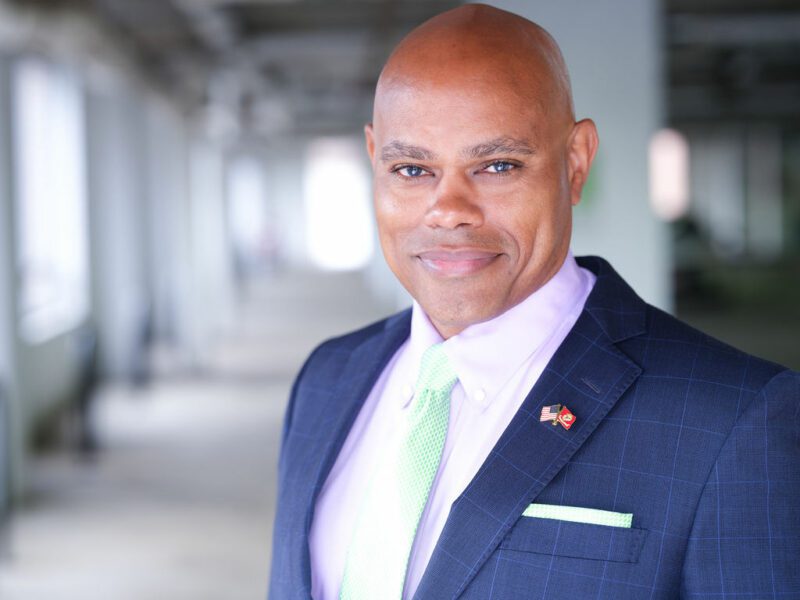
Doug Lemott Jr.
Vice President, Secure Cloud Engineering, Delivery, and Operations, SAP National Security Services
Doug Lemott joined SAP National Security Services in July 2021 and leads the strategy, design and deployment of multicloud infrastructure. This includes compute, storage and network systems to support SAP Platform products, primarily SAP Business Technology Platform, SAP Analytics Cloud, SAP SuccessFactors and a growing list of future platform products.
He uses his extensive knowledge gained throughout his 27 years in the U.S. Marine Corps and work with VMware, Inc., to provide strong leadership, guidance and direction related to cloud service delivery. Lemott has worked collaboratively across the NS2 organization to improve processes, ensure the company’s cybersecurity hygiene remains at the highest levels and enhance the operational capability of the organization.
Why Watch
SAP NS2 is keenly focused on providing its customers with secure cloud solutions. That translates to a focus on powering the secure intelligent enterprise by: developing cloud solutions that closes the gap between security and innovation; elevating business processes with agility and adaptability; achieving global security compliance measures to adhere to customer needs; and executing a next-level cybersecurity model for enterprisewide protection. Customers expect four key elements to a successful cloud solution: compliance, data sovereignty, automation and innovation.
“I really enjoy working with the great professionals at SAP NS2,” Lemott said. “Cybersecurity is foundational and there is a collective team mindset across the organization. My team is laser focused on achieving superior operational excellence and we are raising the bar every day. I am proud of the work the team has accomplished and even more excited for what we will achieve in the future.”
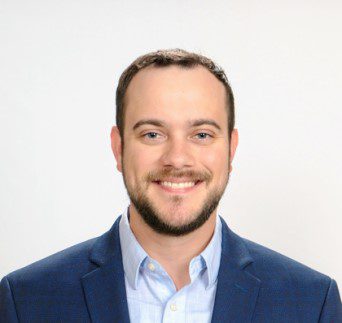
Matthew McFadden
Vice President, Cyber, General Dynamics Information Technology
Launching GDIT’s zero trust accelerator has been an exciting achievement for Matthew McFadden and his team this year.
This effort is positioning GDIT to lead the way in collaborating with government agencies to build and implement zero trust strategies that meet the challenges of their operating environment, whether in an office or at the tactical edge.
Through this effort, McFadden led the development of a zero trust enablement kit for customers to define their protect surface, map transaction flows, identify the highest-value implementation assets and apply the right set of technologies to enable a holistic adoption of zero trust.
“I’m really proud of the great work that Matt is doing at GDIT and for our federal customers,” said Tom Oliver, vice president of digital consulting and solutions growth at GDIT. “He architected GDIT’s zero trust accelerator offering to help customers rapidly assess and respond to the recent cyber executive order and is engaged with numerous agencies to help them plan their path forward.”
Oliver added that McFadden is helping drive GDIT’s strategy for cyber automation, leveraging artificial intelligence and machine learning, and SOAR technologies to enable agencies to more rapidly and cost effectively respond to cyber threats and incidents.
“He continues to lead GDIT’s Cyber Center of Excellence and engage with industry to share insights on numerous cybersecurity topics,” Oliver said. “In March, Matt published an article on leveraging autonomous cyber for federal agencies. In February, he presented on zero trust at the AFCEA Rocky Mountain Cyber Symposium.”
Why Watch
McFadden’s team is heavily focused on transforming federal agencies’ cyber posture through innovating key tenets of zero trust architecture, including automation, AI and machine learning. The team is defining the technology, expertise and culture of innovation to accelerate comprehensive zero trust implementation across the government. Integral to its success is collaborating with industry-leading partners and sharing lessons learned through the company’s Cyber Center of Excellence.
In the face of increasingly sophisticated cyberattacks, an effective cybersecurity strategy is critical to strengthen the U.S. government’s cyber defenses, McFadden said.
“The key to driving an effective cyber strategy is building resiliency though zero trust,” he said. “The zero trust strategy has largely already been developed, implemented and proven by industry. As a system integrator, we are helping various government agencies with the multi-year zero trust implementation journey and applying the right set of technologies to enable a holistic adoption of zero trust.”

Jennifer Walsmith
Corporate Vice President, Cyber & Information Solutions, Northrop Grumman
For over 35 years, Jennifer Walsmith has been a mainstay in the intelligence industry as a leading expert in cyber and intelligence mission solutions.
Walsmith spent 15 years specializing in offensive and defensive cyber at the National Security Agency, where she was a key player in the U.S. Comprehensive National Cyber Initiative. She also served in senior advisory roles to the undersecretary of defense for acquisition, technology, and logistics; Senior Integration Group; and the Office of the Director of National Intelligence Acquisition Council — all while serving as the senior acquisition executive.
For significant achievements on behalf of NSA and the intelligence community, she was recognized with the Presidential Rank Award of Meritorious Executive and Distinguished Executive, the highest awards bestowed on members of the government’s senior executive service.
Today, Walsmith serves as Northrop Grumman’s executive lead for university relations with the University of Maryland Baltimore Campus, and serves as a board member of the Intelligence and National Security Alliance.
At Northrop, she is tasked with growing the cyber and intelligence mission solutions business portfolio, where she uses her expertise in business management, cybersecurity and information solutions to help oversee over 2,000 employees who produce innovative solutions to help advance defense systems. She leads a dynamic and diverse team that delivers full-spectrum cyber, multiple-intelligence enterprise data integration, and mission-enabling intelligence, surveillance and reconnaissance solutions.
Her leadership role helps support DOD and the intelligence community across all domains: ground, space, sea, air and cyber.
Why Watch
In 2022, Walsmith and her team within Northrop Grumman’s Mission Systems sector will forge new capabilities that will assist the government in “preventing, deterring, de-escalating” to maintain peace and build nonkinetic capabilities to “disrupt, deny, degrade” on the road to the Joint All Domain Command and Control vision. Her core focus will be to pioneer new capabilities that converge the silos of capabilities into a unified approach for the ongoing non-kinetic cyber conflict.
“Cyber and the network in which we operate is defining our way of life and will have a profound effect on our nation,” Walsmith said. “Cyber is a team sport. I am very fortunate to have been part of history and look forward to being part of its future.”

Frank Aiello
Vice President & Chief Information Security Officer, Maximus
When Frank Aiello came to Maximus in 2018, the company was looking to bring on a seasoned security professional with a strong background in cloud migrations to help navigate growth across state, local and federal markets.
While many IT and information security leaders have stories about the challenges they faced in transitioning to remote operations during the pandemic, few have had to tackle them on the scale Maximus did.
Moving over 25,000 people from centralized call center operations — and a strong reliance on physical security measures to keep data and operations safe — to work from home during a record surge in contact volumes to the Department of Health and Human Services clients was a big job. Throw in the additional hurdles of integrating the company in the wake of its acquisition of Attain and Veterans Evaluation Services, and the full scope of the job becomes clear.
Aiello credits a strong partnership with the company’s IT teams and his staff.
“I’m proud of the work of my entire team — especially in light of the challenges posed by the last two years,” he said. “We’ve successfully moved to a cloud-first footing, just as we’d planned, but we have also succeeded in finding ways to help governments help American households through some very tough times.”
Why Watch
As Maximus continues to work with states and federal agencies to modernize customer experiences, expand public health initiatives and move past the pandemic, Aiello and his team are at the forefront of safeguarding the public’s data.
“The exciting thing about the security industry is that things are always changing,” Aiello said. “As we expand into new markets and offer additional services to government, cybercrime and risks from bad actors continue to accelerate and evolve. The challenge is mitigating risk effectively while supporting innovation — and our executive leadership and board have been entirely supportive.”

Jonathan Veal
Director, Federal, BeyondTrust
Jon Veal has worked with a team to lead and build a dynamic federal practice at BeyondTrust, and he’s passionate about helping federal agency partners achieve mission-critical results.
Veal has shaped the BeyondTrust federal strategy by helping to align solutions with the challenges the federal government is currently facing. He actively participates in the ATARC and AFCEA working groups where industry and government collaborate to stay ahead of adversaries and achieve results.
Since joining BeyondTrust in early 2021, Veal has been instrumental in growing the federal team from both a revenue and headcount perspective. He’s also working with his Washington, D.C., neighborhood association to build a playground for children in his community.
“Jon’s passion and dedication to serving our federal customers’ missions is palpable,” said Mike Williams, senior vice president of enterprise sales, Americas at BeyondTrust. “Under his leadership, and the culture at BeyondTrust, the entire federal team views helping agency partner’s initiatives as their duty.”
Why Watch
In 2022, Veal’s team is heavily focused on partnering with agency stakeholders to identify new ways to help achieve missions. And with the federal government emphasizing new zero trust, least privilege and identity architectures, federal cybersecurity staff time constraints are ever increasing.
“It’s our responsibility to help them achieve their goals as rapidly and securely as possible,” he said.
“Although it’s a great responsibility, one of the most gratifying things about the federal cyber industry is waking up every day knowing your technology is helping protect our agency partner’s missions, as well as our nation,” Veal added. “It’s amazing to work at a technology organization that takes enormous pride in helping secure federal environments. Everyone here views it as a privilege and holds our customer’s missions in the highest regard”
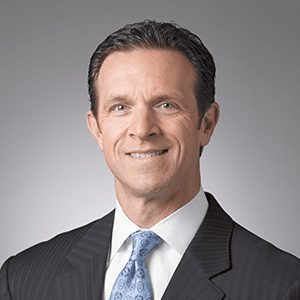
Tony D’Angelo
Vice President, Public Sector, Lookout
At Lookout, Tony D’Angelo leads the public sector business unit, combining Lookout’s state, education and federal teams under one umbrella.
In the past year, D’Angelo’s team more than doubled in size, making it one of the fastest-growing teams at Lookout. As a result of his efforts, D’Angelo and his team were awarded a multimillion-dollar deal with a well-known U.S. government agency and secured Lookout’s largest SLED deal to date with a state agency. These deals provide agencies across the country with the latest cybersecurity solutions needed to combat today’s more prevalent cybersecurity threats.
D’Angelo and his team also secured FedRAMP authorization for Lookout’s Secure Access Service Edge Solution and StateRAMP authorization for Lookout’s Mobile Endpoint Security solution.
Why Watch
D’Angelo’s main focus moving into 2022 is to lead his team in helping Lookout’s customers develop and implement a zero trust architecture to aid with the ultimate goal of protecting their data in the cloud.
“There is no greater satisfaction than being able to provide cybersecurity solutions for the benefit of public sector entities, helping our public sector clients achieve their mission-critical objectives, including protecting Americans at home and abroad,” he said.
D’Angelo and his team are looking to assist the public sector in its digital transformation, securing its data from endpoint devices to the cloud by building specific and targeted strategies around health care, education, government, defense and public safety — recognizing each sector has unique and distinct needs and requirements.

Jason Payne
Chief Technology Officer, Microsoft Federal
Jason Payne’s biggest recent achievement was supporting the Microsoft response to the national security memorandum on improving cybersecurity for critical infrastructure control systems. Microsoft’s government and industry partnership in response to the order have proven to Payne the combination of innovation and culture are foundational to solving hard problems.
“With more than 20 years of federal digital transformation experience, Jason has been a key partner as we continue to drive technology and solution strategies for the U.S. government in civilian, defense and intelligence verticals,” said Rick Wagner, president of Microsoft Federal.
“As a seasoned and well-respected leader, he consistently finds ways to solve our customers’ pain points and has made such a tremendous impact across our organization. I am incredibly proud to have him on our Microsoft Federal leadership team,” Wagner added.
Why Watch
In 2022, Payne’s team is heavily focused on supporting and empowering digital transformation efforts by delivering best of breed, proactive security across all devices, platforms and endpoints to help the government deal with cyber threats. Agencies demand the ability to rapidly assess and improve their security posture. Microsoft is focused on providing a comprehensive cloud platform that’s secure by default, agile and the foundation for an ever-expanding cybersecurity transformation journey.

Paul Kurtz
Chief Cybersecurity Advisor, Public Sector, Splunk
Splunk acquired TruSTAR — a cybersecurity company Paul Kurtz co-founded — in 2021. Kurtz built TruSTAR to provide organizations with technology that helps prevent failure in cyberspace. Spunk’s acquisition of TruSTAR confirmed the vision and requirement to automate cyber intelligence management.
And today, the cybersecurity landscape is advancing by the minute, and the government is prioritizing it like never before. At Splunk, Kurtz is heavily focused on improving the nation’s cybersecurity posture, especially in a time where cyberwar is becoming closer and closer to a possibility.
Why Watch
As the cybersecurity landscape continues to evolve, Kurtz is focused on improving the nation’s posture, particularly by creating collaborative exchanges so government agencies and private sector companies can automatically exchange suspicious event information. It’s one of the top weapons used to combat cyber threats today.
“Without that strategic collaboration, we will fail as no government or company can gain a synoptic understanding of events in cyberspace without cooperation,” he said.
Kurtz is on a mission to automate data exchanges as it is a critical component of cyber resiliency.

Steve Kapinos
Vice President, Cognitive Cyber, ManTech
ManTech’s Steve Kapinos is proud of his work in supporting the internal rollout of a robust zero trust capability across the enterprise. The process accounts for shifts in adversary behaviors, includes further mitigating controls and notes key areas to enhance monitoring and alerting.
“We are using lessons learned from this effort to develop a capability that we can offer our customers — in particular by applying our offense-informed defensive approach,” Kapinos said.
Kapinos recently moved into ManTech’s Innovation and Capabilities Office and is excited to bring his understanding of the broad policy landscape as well as his customer experience from the line to drive cyber investments and advancement.
Why Watch
ManTech is working to find better solutions to operationalize insights from the constant streams of data facing network defenders. Defenders must fuse information from many sources, often through human-involved processes to develop an accurate understanding of the threat landscape. Using expertise from red teams, threat hunters and data scientists to bring automation and cognitive capabilities to the fight, the company is leveraging machines in areas where they excel to free up human capital.
The strategy: For defenders to be successful, the cost for adversaries must increase, and there must be a move to machine speed to responses for emergent threats.
“Steve is a visionary and a pragmatic leader,” said ManTech Senior Vice President and Chief Technology Officer Srini Iyer. “He brings years of experience leading complex and extremely sensitive projects. Having been in the cybersecurity arena for many years, he has hands-on experience and is extremely well-positioned to develop full spectrum cybersecurity solutions to defend our national security.”
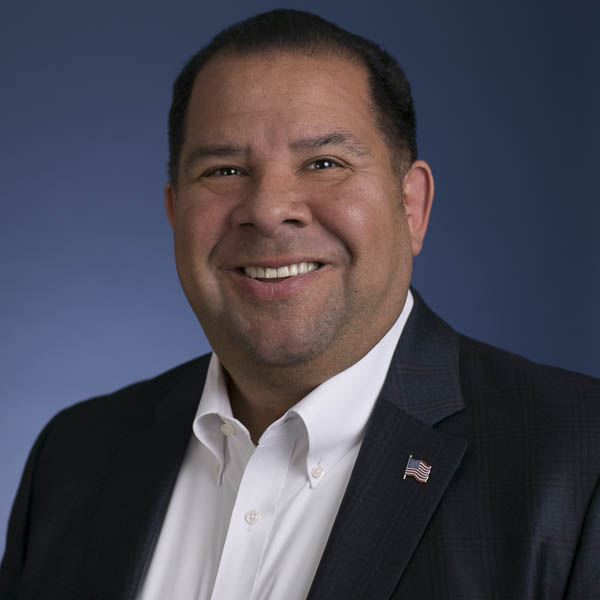
Phil Fuster
Vice President, Sales, Federal, Proofpoint
Phil Fuster joined Proofpoint to lead its federal public sector practice, a unit built to address cyber mission needs of the federal government. In doing so, they work with channel partners, systems integrators and service providers to support adaptive security needs.
“Joining Proofpoint as we were taken private and rebuilding the federal business and team as well as helping the organization get to FedRAMP certification on our product line was one of my biggest recent achievements,” Fuster said.
Why Watch
Fuster and his team are tightly focused on a people-centric approach to cybersecurity and attaining High and Impact Level 5 FedRAMP certification.
“Being able to champion Proofpoint’s people-centric approach to risk mitigation on scale is very important to us,” he said. “Win together, or lose together, but do it with your team, your partners, and your customer. It’s all about the mission.”
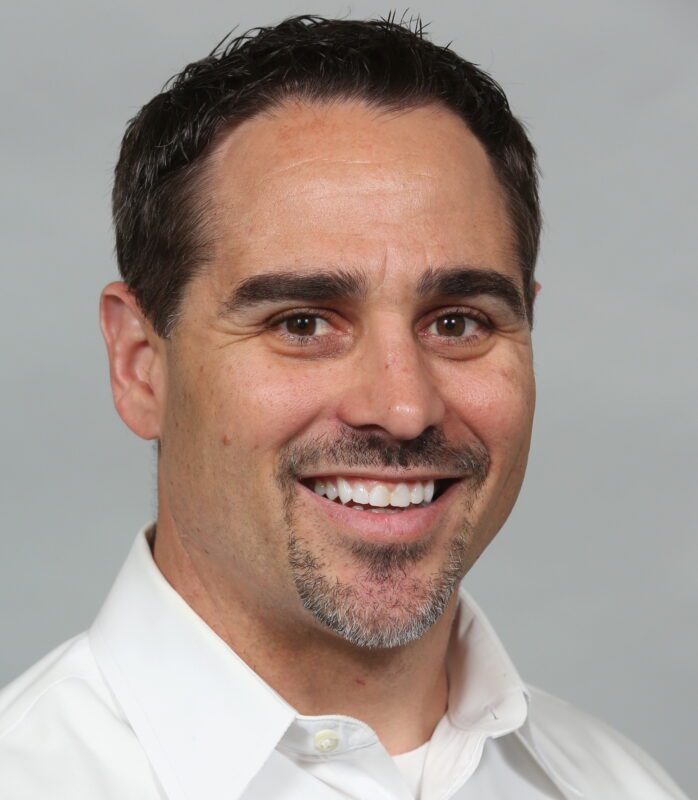
Jean-Paul Bergeaux
Chief Technology Officer, Federal, GuidePoint Security
As a child growing up in a family of teachers, Jean-Paul Bergeaux internalized the idea of always learning and growing. Today, as chief technology officer of federal for GuidePoint Security, he sees growth as an absolute must in the dynamic world of cybersecurity.
Bergeaux has worked about 25 years in federal technology, including six as GuidePoint’s architectural lead for federal. His career has been marked by success in technical leadership roles with ADIC (now Quantum), NetApp, Commvault and SwishData.
His recent successes include collaborating with two federal agencies to achieve positive outcomes. In one case, Bergeaux and his team performed a comprehensive reference architecture assessment of the agency’s entire environment, mapped the gap analysis to the cybersecurity framework, and gave the agency a range of goals that executive management assumed as their security roadmap forward.
In another case, he and his team assisted an agency with responding to the executive order on improving the nation’s cybersecurity. After agreeing on a framework, Bergeaux’s team worked with the agency’s technical team by providing professional services, project management and deep expertise across log retention, endpoint detection and response, zero trust architecture, vulnerability risk management, identity and access management and more.
“I am passionate about cybersecurity defense, which makes the challenges in the field an inspiration to work harder,” Bergeaux said. “I couldn’t do any of it though, without the unmatched GuidePoint Security technical team that challenges and helps each other continue to grow, as well as management who are dedicated to enabling and empowering the team.”
Why Watch
Bergeaux and his team are working to help agencies move from a theoretical to a practical zero trust approach by building an interactive demo environment based on multiple zero trust use cases and various OEM choices. This year, look for him and his team to guide agencies through zero trust workshops. He also continues to be influential through his numerous articles and blogs on the executive order as well as follow-on guidelines around zero trust.
“Jean-Paul has done a tremendous job of working with our federal customers to help ensure they are aware and compliant with all major security measures and ever-changing government requirements,” said Jim Quarantillo, regional partner for the federal business. “He has also become instrumental in the federal vendor community by helping our manufacturing partners understand government priorities and executive orders and aligning their value propositions to the government’s needs.”
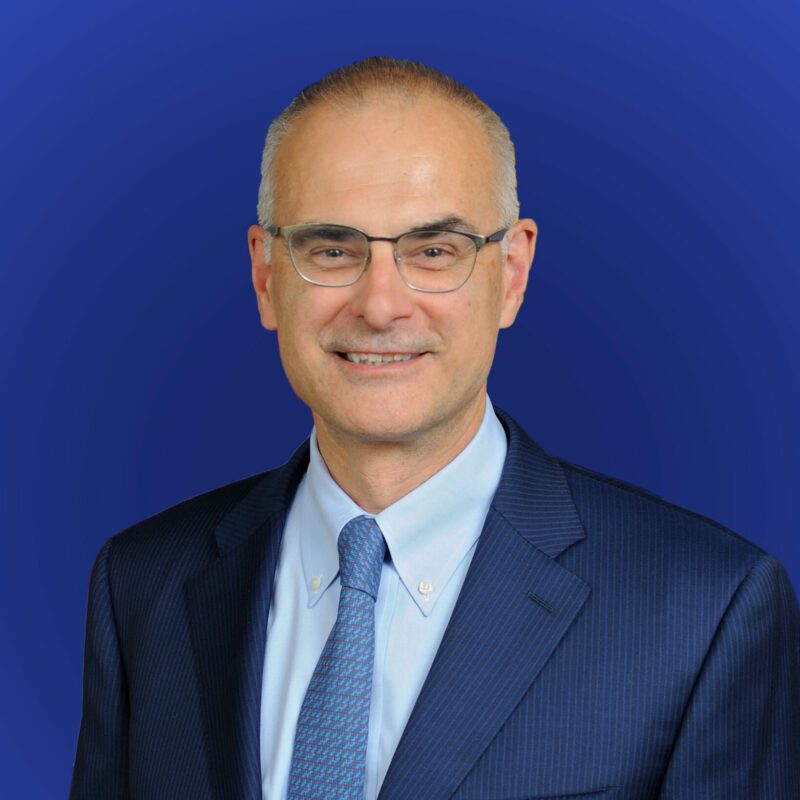
Thomas P. Michelli
Cyber Operations & Cybersecurity Strategic Account Executive, Leidos
Thomas P. Michelli works across the company’s business groups to align, enhance and increase the effectiveness of Leidos’ cyber-related portfolio of programs, services, solutions and investments. Michelli also serves as the 2021-2022 WashingtonExec Cybersecurity Council Chair.
Michelli works across all of Leidos’ groups — intelligence, defense, civil, health and dynetics. He coordinates with business, operations and chief technology leaders to increase the company’s leadership in full spectrum cyber by going beyond compliance in defensive cyber operations and cutting edge offensive cyber operations on enterprise systems and cyber-physical systems.
One of Michelli’s biggest achievements is working in collaboration with the Leidos Cyber Accelerator in forwarding and fielding full spectrum cyber capabilities from internal research and development initiatives.
“I am incredibly excited to be a part of Leidos and all that we are doing in the world of cyber,” Michelli said. “We understand that cyber needs to be embedded in our culture — in what we do corporately and for our customers. As a company, we are aggressively moving beyond compliance in full spectrum cyber through significant investments in technology, capabilities and people.”
Why Watch
In the coming year, Leidos will continue to focus on improving and growing Leidos’ leadership role in defensive cyber operations for the U.S. government. The company and its cyber team operate five of the largest federal security operations centers and six cyber security service providers for the Defense Department. They will also increase growth and capabilities in Leidos’ strong offensive cyber operations — building off of investment in Attack and Exploitation Laboratory.
“Out of all the exciting things Leidos is doing in cyber, I’m most excited and proud to help continue to build and recruit Leidos’ incredible cyber talent,” Michelli said. “Leidos works hard to recruit, develop and retain the best cyber talent out there. One example that takes our cyber talent to the next level — Leidos has initiated a cyber upskilling program and established a CyberEdge Academy.”