 In a year transitioning into a new administration following a tense election, a global pandemic and civil unrest, contractors are navigating unfathomable terrains. But politics and a virtual workforce can’t slow down these select leaders who continue to prioritize the well-being of their employees while innovating, transforming, and meeting bipartisan mission-critical requirements — all in the name of making the federal government more efficient, effective and secure.
For the sixth year in a row, WashingtonExec has assembled its list of executives changing the status quo in uncertain times. Who are those helping the national heal while finding opportunities and maintaining their relevance in a crowded marketplace?
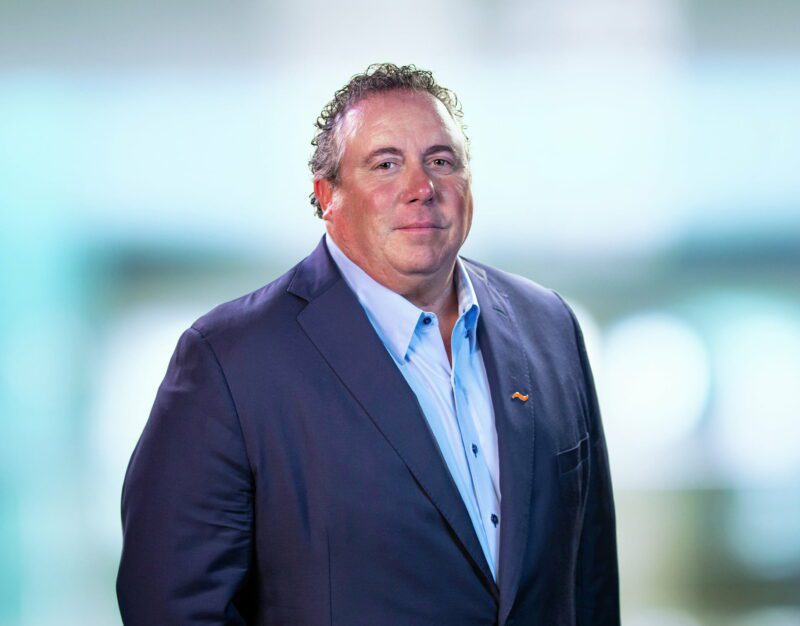
Doug Wagoner, President & CEO, LMI
Doug Wagoner joined LMI as president and CEO in August, marking a return to the government services industry even he didn’t expect.
“I had other CEO opportunities, but none were as compelling as LMI,” said Wagoner, who was president of Science Applications International Corp.’s services and solutions sector when he retired in 2017.
Wagoner knew of LMI’s reputation, but became even further impressed as he got more acquainted with the people, customers and capabilities.
“The culture here is special,” he said.
Wagoner arrived at a company immersed in the federal response to COVID-19. LMI assists with medical resources acquisition and industrial base expansion through the Defense Assisted Acquisition Cell, established by the Defense Department to meet urgent needs for COVID-19 and future national emergencies. LMI supports the cell’s product teams for personal protective equipment, screening and diagnostics, pharmaceuticals, and vaccine delivery.
Wagoner says he’s encouraged by the breadth of support LMI has furnished to Operation Warp Speed and other parts of the government response.
“Our logistics and supply chain expertise are well established, but maturity in areas like life sciences and data analytics has enabled us to provide comprehensive support,” he said. “Customers’ needs evolve constantly; you want the interdisciplinary expertise to help solve any problem that may arise.”
This fall, LMI announced a $77.5 million prime award from the Department of Homeland Security’s Countering Weapons of Mass Destruction Office, signaling the strategy to bid — and win — large, complex programs is taking hold.
Why Watch
Despite COVID-19’s disruption to business routines, LMI saw a 25% spike in bookings and a 21% bump in revenue over last fiscal year. Wagoner will drive enhanced digital capabilities to help LMI take the next step in its corporate growth.
“We want to mitigate uncertainty for our customers, and that starts and ends with data: what insights you can generate, and how you visualize it and make it accessible to decision-makers,” he said. “We’re excited about the tools and techniques we’ve developed to anticipate problems, evaluate potential solutions and give customers confidence in the way ahead.”

Andy Maner, CEO, Avantus Federal
2020 was a defining year for Avantus Federal. In his second year as CEO, Andy led the company through a rebranding, major innovation and solution advancements, two acquisitions and maintained a laser focus on the needs of employees through Avantus’ renowned integrated talent management program.
“We are humbled to have achieved so much within the past year and to have the ability to support these critical missions that shape our nation for decades to come,” he said.
The rebranding to Avantus Federal was a crucial step for the company to position itself for continued and sustained eminence in the GovCon industry.
In 2020, Avantus acquired Lucid Perspectives LLC and MissionTech Solutions LLC to build on the technology and advanced data offerings to national security and intelligence community customers.
“This year, we have worked with relentless focus to ensure that our people are supported,” Maner said
As the company leads five generations in the workforce toward higher skills and opportunities, its focus on health and wellness, diversity and inclusion continues.
Innovations and technologies developed through the Avantus Garage have allowed Avantus to lean into mission challenges and opportunities at its growing customer base. Equipped with data analytics, software, domain and technical experts, the Garage arms client missions with the proper blend of technology, data and people.
“We start with understanding the needs of our client first,” Maner said. “We then equip them with the appropriate technology needed to solve their problem.”
Why Watch
Maner plans to build Avantus’ staying power in the industry by actively maintaining growth, fostering the talent building philosophy and continuing diversity and inclusion efforts.
“We will always be working to take a more expedited, focused and intentional approach to personal and professional growth in our company — every single day, every single mission,” Maner said.

Carey Smith, President & Chief Operating Officer, Parsons Corp.
In December 2020, Carey Smith was appointed to Parsons board of directors, based upon her reputation for business performance, operational leadership, customer and mission focus and experience on other boards.
Following Parsons’ initial public offering in May 2019, the company continued its performance with strong book-to-bill ratios, margin expansion and excellent cash flow. In October 2020, Parsons progressed its smart acquisition strategy by acquiring Braxton Science & Technology Group — a national security space mission provider.
The company achieved key performance milestones in 2020, including: transitioning the Energy Department’s Salt Waste Processing Facility into operations; completing the final deployment of New Jersey Transit’s Positive Train Control system; and executing the second successful small satellite manifested launch for the U.S. Space Force.
In addition, Parsons continued its winning streak with a $307 million classified enterprise information security contract; a $1.7 billion dollar Canadian contract as part of a 50-50 joint venture to design and build the Edmonton Valley Line West light rail transit extension; a $51 million directed energy contract; and over $200 million in Other Transaction Agreement contract awards such as a non-lethal maritime operations system.
Why Watch
Smith’s priority for Parsons in 2021 are people, technology and mission.
“Having diverse, inclusive talent that think different is important for the success of our business,” she said. “It is the people who develop advanced technology solutions, which in turn perform our customers’ critical missions.”
Organic growth will continue to be driven by creative engineering and advanced technology solutions. Parsons’ flexible balance sheet and strong cash flow enables the company’s acquisition momentum and research and development investment.
Outside of Parsons, Smith serves on various boards, including at Edison International, the Professional Services Council, United States Geospatial Intelligence Foundation and the Intelligence and National Security Alliance, Inc.

John Vollmer, CEO, Amentum
When 2020 began, John Vollmer knew it was going to be a year of transformational change. AECOM Management Services was getting ready to launch as a newly independent company, Amentum. Within weeks, it was clear the change was going to be more radical than he ever imagined.
By mid-March, many of Amentum’s 20,000 employees began working from home, but the majority continued to support its government customers’ missions at worksites around the globe. The company helped its customers accommodate the increased demands of telework on critical systems.
Known for its safety focus, Amentum developed new protocols to safely continue essential work as the pandemic continued into the summer. It engaged in new, innovative partnerships to solve new problems — in the fall, one of three proposals was selected by the SecureAmerica Institute to demonstrate technology applications that will advance the resiliency of U.S. manufacturing and enhance the security of the defense industrial base.
Rather than struggling, Amentum’s people seemed to excel in the “new normal” — and the company closes out its best fiscal year ever. But there was one more monumental development still to come. In November, the company completed the acquisition of DynCorp International, becoming one of the largest pure-play government services companies in the marketplace, with more than 34,000 people working in 105 countries around the globe.
Why Watch
In 2021, Vollmer will focus on realizing the full potential of the acquisition, beginning with an integration and taking advantage of new opportunities open to a $6.5 billion company. And he may not stop there — Vollmer sees plenty of pent-up demand in the M&A market, with the potential for more activity in 2021.

Jennifer Felix, President & CEO, ASRC Federal
Launching a corporate brand refresh, executing a significant organizational restructuring, delivering on customer and shareholder commitments and strengthening technology capabilities are just a few of the 2020 achievements for Jennifer Felix and her team as she took the helm in April 2020.
Taking the reigns as president and CEO in the midst of a global pandemic and social unrest was a challenging dynamic for a new leader tasked with gaining the confidence of more than 7,500 employees supporting mission critical activities of federal customers.
“I believe that staying humble and leading with compassion and conviction are essential in navigating a team through unprecedented times,” Felix said. “As a company, we’ve learned a great deal about who we are and where we can improve. I am confident we are emerging from 2020 as a better, more thoughtful organization in every regard.”
As part of ASRC Federal’s holistic approach, Felix’s team placed emphasis on developing partnerships with major cloud service providers, delivering cloud-forward edge solutions to mission customers in need of rapid deployment and data intensive enterprises, and embraced and agile transformation approach — developing modernization roadmaps for customers.
Beyond the focus on technology, Felix noted a continued focus and growth of ASRC Federal’s complementary core offerings, including engineering, infrastructure operations and professional services.
Why Watch
ASRC Federal’s organizational structure includes three new customer-focused operating groups: Space, Defense & Intel, and Civilian & Health. Creating and realizing synergies from combining their customer teams, while continuing to focus on knowledge sharing and talent development through its Centers of Excellence is a major focus for Felix in 2021.
“Part of our organization’s evolution is to create mechanisms for collaboration across the business as we grow,” she said. “We will continue to push forward — focusing on customer engagement, providing robust learning and development opportunities for our people while staying true to our culture. I am excited to see the benefits of these changes and hopefully getting together in person when it is safe to do so in 2021.”
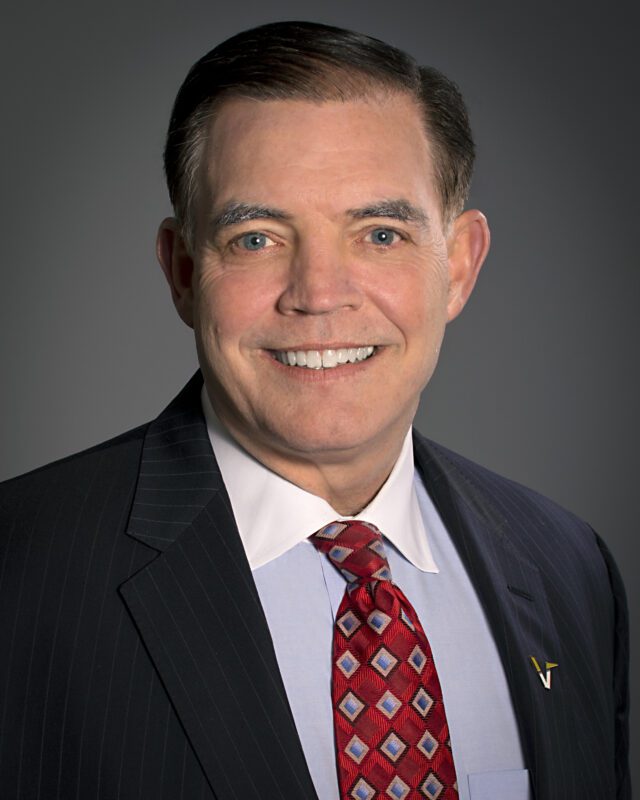
Chuck Prow, CEO & President, Vectrus
Like what many companies experienced this year, the global pandemic changed the course of Vectrus in 2020. With 80% of its business executed outside of the continental U.S., and nearly all of its contracts deemed critical infrastructure, Vectrus has been on the front lines of supporting the national security mission throughout the pandemic.
Chuck Prow has been quick to point out how proud he is of the over 13,000 men and women of Vectrus and the tenacity and ingenuity they continue to demonstrate during this unprecedented time.
Vectrus has demonstrated significant growth over the past several years on the back of organic growth and targeted acquisitions. Most notably, Vectrus was awarded a seat on the Army’s LOGCAP V contract and as the lead company in support of the U.S. Central Command and U.S. Indo-Pacific Command Global Combatant Commands.
Although the U.S. Army is the company’s largest client, Vectrus continues to diversify its portfolio into the Air Force, the Navy and the intelligence community. The company continues to introduce new higher-value, technology-enabled solutions though its recent acquisitions and new contracts wins.
Additionally, in 2020, the company heavily focused on continuing to improve its operating performance through an enterprisewide performance improvement initiative called Enterprise Vectrus. It provides a more standardized and seamless experience for employees and customers while enabling converged operations.
Vectrus continues to aggressively develop its culture through a robust diversity, equity and inclusion program. In 2020, Vectrus was named a Top Company for Veterans by DiversityInc, demonstrating an ongoing commitment to hiring, developing and retaining a diverse workforce made up of approximately 40% veterans.
Why Watch
Since joining the company, Prow has been transforming Vectrus from a traditional base operations company to a leader in the emerging “converged infrastructure” market across the Defense Department and other federal clients. This transformation continues to drive higher value, technology-enabled solutions and services into traditional contracts and though new channels.
“Vectrus is well-positioned in 2021 to continue growing and serving our customers, often in austere environments around the world, through our core base operations support services as well as through our evolving converged solutions that fuse infrastructure and innovation,” Prow said.

Tina Dolph, President & CEO, Siemens Government Technologies, Inc.
With project teams across the U.S. and internationally, Siemens Government Technologies solves some of the most complex government challenges in energy, automation and digitalization.
“We are grateful to have such an incredibly important mission at SGT, which is to help our customers secure and modernize the largest infrastructure in the world — the U.S. federal government — to keep its citizens safe and the economy thriving,” Tina Dolph said.
As the largest energy consumer in the nation, federal agencies are under increasing pressure to cut energy use and costs, reduce greenhouse gas emissions and improve efficiencies in their facilities. And while energy consumption is a huge challenge, resiliency in energy supply is equally important.
Dolph and her team have brought innovative strategies and budget neutral financing solutions to help government customers achieve their energy goals, including the first use of liquefied natural gas as a fuel source for an overseas military installation through the largest ESPC contracted in the Defense Department.
Why Watch
While energy challenges remain at the forefront for public sector leaders, Dolph and her team are also accelerating digital transformation and modernization in government through modeling, virtualization and digitalization.
“I’m incredibly excited for the opportunities we have in front of us — we are just beginning to harness the true power of digitalization for our clients — delivering improved efficiency, significantly reduced costs and cyber secure solutions — enabling our customers to achieve mission success,” she said. “The future of this capability is very exciting. There’s no other team I’d rather tackle these challenges with each day than with my colleagues here at SGT.”
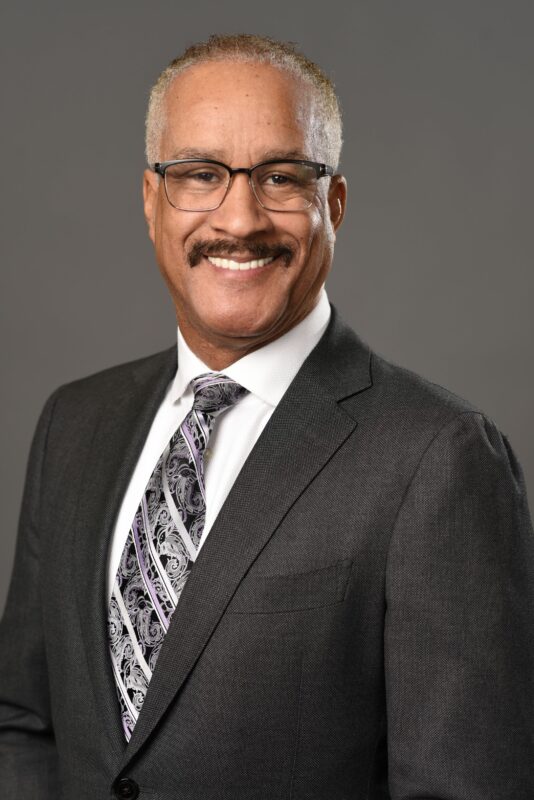
Zachary Parker, President & CEO, DLH Corp.
Zachary Parker attributes DLH’s success to its skilled professionals, the acquisition of Irving Burton Associates, and a leadership team bolstered by the addition of accomplished, dynamic executives.
Parker and his leadership team have focused on transforming DLH into a well-rounded, advanced technology enterprise. He cites telehealth as one federal mission improved by technology during a tumultuous 2020.
“Telehealth capabilities are of particular interest to military and veteran health systems in the midst of the COVID-19 pandemic, and are likely to remain integral case management tools moving forward,” Parker said. “Our support for the [Department of Veterans Affairs] now includes efforts to broaden the department’s abilities to reach veterans and their families through telemedicine technology and practices.”
Why Watch
Digital transformation is the company’s main focus in 2021, Parker said. It has invested in the development of secure IT platforms, sophisticated data analytics tools and techniques, agile software development credentials for technical staff, and the implementation of a Lean Six Sigma environment.
By leveraging these tools and processes — including Infinibyte Cloud, a platform-as-a-service cloud computing offering — with highly trained subject-matter experts and a solid record of past performance, the company is well positioned to serve federal customers moving forward, Parker said.

Vicki Schmanske, President, Intelligence Group, Leidos
As one of Leidos’ most senior executives, Vicki Schmanske has had a significant impact on the success of the company, and 2020 was no exception.
In the past, Leidos had a combined defense and intelligence organization. In that environment, the intelligence work wasn’t receiving the focus required to grow. The company recognized this market is unique and demanded solutions tailored to the intelligence community’s needs.
In light of that, Leidos stood up the Intelligence Group at the beginning of 2019 under Schmanske’s leadership. This strategic move has continued to benefit the company and its customers throughout 2020 and remains one of Schmanske’s biggest milestones.
As leader of Leidos’ Intelligence Group, Schmanske has been instrumental in developing a strategy that opened up new markets in enterprise IT, cybersecurity, mission software and space technologies. Additionally, the Intelligence Group resurrected a declining business with year-over-year growth. Through key wins in every market, the Intelligence Group is growing its direct workforce and has a strong pipeline of opportunities.
Additionally, Leidos’ Intelligence Group’s Workforce Pillars focuses on inclusion and diversity, talent recruitment and selection, as well as employee engagement and leadership. This initiative reflects the value of Leidos’ people and Schmanske’s priority to develop and retain talent for opportunities. These efforts have improved recruiting and helped reduce attrition by more than 6%.
Why Watch
In 2021, Leidos will continue delivering secure solutions to help safeguard the nation. Schmanske’s two primary focus areas are supporting the customers’ missions and empowering the workforce to execute this important work.
The customers’ missions are not slowing down in the face of ever-changing adversarial threats. To neutralize those threats, the Intelligence Group has focused its efforts on cyber, intelligence, surveillance and reconnaissance, transformative software and analytics in the coming year.

Shawn Purvis, Corporate Vice President & President, Northrop Grumman Enterprise Services
As a leader, Shawn Purvis demonstrates the fierce curiosity, active advocacy and commitment to inclusion she encourages in others. Her Enterprise Services team is at the forefront of enabling digital transformation at Northrop Grumman, leveraging new technologies to help drive performance and provide next-generation capabilities around the world.
Delivery of data-aware, intelligent enterprise platforms that create a boundaryless experience across programs, functions and geographies is helping transform how Northrop Grumman interacts with employees, customers and partners while promoting agility and efficiency.
Why Watch
Beyond executing current strategic initiatives, Purvis is fostering a workplace where every employee is empowered to think disruptively to help shape the future at Northrop Grumman. The Enterprise Services team addresses what matters most — from enabling the company’s massive technology infrastructure to protecting the network from cyber threats and securing transactional business services.
“My team will remain laser focused on delivering digitally transformative solutions that enable greater agility, competitiveness and growth,” Purvis said. “We’re unleashing the power of integrated systems and data to help strengthen and build Northrop Grumman’s position of leadership in the industry.”

Amanda Brownfield, CEO, Geospark Analytics
Amanda Brownfield joined Geospark Analytics as president in March 2020. Over the next six months, she worked with the team to mature the company vision and go-to market strategy, as well as scale business operations, sales and marketing, client success and product management.
After experiencing a remarkable period of growth, the company announced a CEO transition, and Brownfield officially took the reins in October.
Geospark Analytics significantly raised its public sector profile by assisting the government with its COVID-19 efforts, but Brownfield is careful to say she is not leading a disease-tracking business.
“COVID-19 will continue to affect everything from health, to travel, to supply chain resiliency, to the economy for the foreseeable future,” she said. “We’ve created a product that helps our clients assess emerging risks in a post-COVID world.”
Under Brownfield’s leadership, Geospark Analytics experienced a remarkable adoption of its value proposition, and many firsts. Among them were first million-dollar, multiyear and enterprise-level sales, and an appearance on “60 Minutes.”
Moreover, Chief Operating Officer John Goolgasian converted a $40,000, Air Force small business innovation and research award 18 months ago into a nearly $100 million, governmentwide contract for access to its Hyperion licenses, API and custom modeling in September.
In addition to delivering 360% growth, the company also met or exceeded all of its commercial software-as-a-service benchmark goals in 2020. It invested heavily in its technology, launching a mobile platform and an automated report generator called ScribeAI for Hyperion.
Why Watch
Expect to see the Hyperion platform facilitate global, decentralized assessments of emerging risks for some iconic U.S. brands in the consumer product, entertainment and travel industries. Also expect to see Brownfield execute some significant partnership agreements to facilitate Geospark’s continued expansion into the commercial market.
‘What an exciting time for our young company,” she said. “We are experiencing the perfect trifecta of incredible talent, a recognition that our product sits squarely on the mission continuum as a must have, and a corporate ethos of determination and grit.”

Mike Kahn, President & CEO, Cobham Advanced Electronic Solutions
Since coming to CAES, Mike Kahn has worked with the team to drive execution excellence across the programs, implement strategies to grow the business, and instill a culture of success throughout the organization.
2020 was significant for CAES, the first full year of operating as a standalone U.S.-based company, after being purchased by Advent International. In a very short period of time, the company successfully re-aligned the structure to four divisions. At the same time, it implemented a customer-centric, decentralized structure driving more direct focus with customers, improving responsiveness and overall business agility, and increasing employee engagement.
In its first year, the business achieved numerous critical program milestones, delivering on advanced RF technologies and microelectronics to support challenging missions, as well as accomplish production ramp-up on key programs.
2020 also saw bookings well over $1 billion, positioning the business for long-term growth, and exceeded many key performance and financial metrics.
Kahn says he is thankful to the leadership team and employees positively and effectively addressing COVID challenges, proactively implementing controls and safeguards to keep the employees safe, and meet the commitments to all customers.
CAES’ success in developing numerous advancements in electronics and pioneering new solutions to meet the emerging threats was a big factor in meeting 2020’s challenges. Key breakthroughs for improved performance needed on future missions were demonstrated, and resulted in important contracts to support the U.S. government and many of the primes.
Additionally, leveraging engineering and employee expertise across space technologies enabled the company to win significant business supporting the medical industry to improve radiation/imaging equipment performance, as well as chip technology to support COVID-19 diagnostics.
Why Watch
In 2021, Kahn and the leadership team, building on execution excellence and operational improvements initiated in 2020, will focus on creating increased value to its customers/stakeholders through better affordability and delivery performance, investing in key technologies linked to customer needs, and the ability to quickly demonstrate/field new products in a more expedited manner.

Tony Smeraglinolo, CEO & Chair, Sincerus Global Solutions
A 40-year veteran in government contracting who previously was CEO for the $2 billion Engility Corp., Tony Smeraglinolo came out of retirement to help establish Sincerus Global Solutions Inc. early 2020. In July 2020, Sincerus acquired Science Applications International Corp.’s international civilian portfolio.
The portfolio’s primary focus is training, mentoring and advising for the State Department, and is well known to Smeraglinolo given its roots go back to MPRI Ltd., a company acquired by L-3 Inc. that was part of its spin out of Engility, which SAIC bought in 2019.
Having had the opportunity to create itself in 2020, Sincerus fully incorporated as its backbone state-of-the art cyber secure business and IT structure, Smeraglinolo said. This structure has been key in leading a workforce that is in 35 countries. This cybersecurity has also been a major thrust for the State Department, and in 2020 Sincerus began providing cyber training and mentoring to foreign governments under State Department direction.
Why Watch
Smeraglinolo will lead Sincerus in 2021 to provide exemplary service to its State Department customer and to ensure its mission success. Sincerus will continue to expand and strengthen its organic capabilities especially in cyber training to meet that growing need. Additionally, Sincerus will explore acquiring additional capabilities and market channels as it executes its vision to be a market leader in the training/logistics market.

Bob Genter, President, Defense and Civilian Sector, Science Applications International Corp.
Under Bob Genter’s leadership in 2020, Science Applications International Corp. successfully navigated a significant re-compete cycle where it held onto many of its major contracts that were up for re-award. SAIC is also adding several large, new wins, specifically in enterprise IT, several contracts to provide digital modernization/transformation to the Air Force, the Army, the Transportation Department and the Federal Aviation Administration.
“We also successfully integrated the $1.3 billion acquisition of Unisys Federal on the first day our offices were shut down due to the COVID-19 pandemic,” Genter said.
He admits it was very challenging, and an all-hands-on-deck effort that required attention to detail and flexibility.
“It was also exciting because it challenged us to be creative,” Genter added. “This was definitely a first for all of us and would make great material for a Harvard Business case study.”
The combination of Unisys Federal’s digital capabilities and SAICs breadth of enterprise IT capabilities is already paying dividends in the form of synergy wins like a recent large contract with an Army organization to revolutionize IT services, as well as other awards with FAA and DOT.
Ultimately, 2020 presented many unprecedented challenges, including supporting a large remote workforce, which led to service desk surges, enhanced network operations, and an acute focus on cybersecurity. In response, SAIC launched its R3 solution suite, which is designed to help the government Respond, Recover and Restructure by addressing the life cycle of challenges organizations now face.
And although health and digital was important even before the pandemic, it further reinforced SAIC’s desire to pursue opportunities to help these customers accelerate digital modernization/transformation.
“We are doubling down in health and we are committed to leading customers through their modernization journey,” Genter said.
Why Watch
In 2021, SAIC will continue its journey as a transformational leader in cloud migration, application development, cyber, AI, and managed services. It will also continue to focus on its employees’ health and wellbeing, but also balancing customers’ needs and mission.
“2020 was a challenging year on many fronts and will always be remembered as the year of the COVID-19 global pandemic,” Genter said. “However, despite the challenges that were presented personally and professionally due to this crisis, I am incredibly proud of our people, who continued to focus on mission success and our customers through this challenging time.”

Mac Curtis, Chair & CEO, Perspecta Inc.
Throughout the past year and the COVID-19 pandemic, the ongoing efforts of Perspecta’s team demonstrated the bold, fearless, transformative thinking that makes Perspecta unique and explains why it is a trusted partner of government agencies nationwide, according to CEO Mac Curtis.
“The mission-critical work we do in support of federal, state and local customers does not slow down in a time of crisis,” he said. “In fact, problem-solving is at the heart of our corporate purpose and we harnessed that skillset to meet the current challenges.”
As Perspecta evolved the way it conducts business, Curtis said it also helped customers do the same. From the very beginning of the COVID-19 pandemic, Perspecta’s customers were required to quickly pivot their infrastructure and policies to ensure support for a record number of teleworkers.
“I couldn’t be prouder of what our team accomplished in such a short time,” Curtis said.
Some examples include enabling over 144,000 government employees to work remotely; standing up virtual call center capabilities to provide continued support for the Defense Health Agency, U.S. Navy, U.S. Marine Corps and other government customers; and partnering with the Centers for Disease Control and Prevention to create the COVID-19 Data Tracker, a publicly available series of data dashboards that make critical COVID-19 data and information from CDC available to the public.
Perspecta also expanded the Navy’s capacity from supporting 25,000 to more than 123,000 concurrent remote connections on its mission-critical intranet, and it helped the Senate move into a telework model. Additionally, Perspecta leveraged secure video teleconferencing technology to complete more than 36,000 security clearance cases.
And as a bright spot amid the pandemic, Perspecta enabled the County of San Diego, to conduct marriage services at a “hitch hut” outside its regular facility
“Our collective strength and the ways we’ve embraced the challenges brought forth by COVID-19 continue to impress me,” Curtis said.
Why Watch
Perspecta will remain vigilant about continuing to protect the health and wellbeing of its employees and extended workforce while supporting our customers’ missions. Throughout the challenges of 2020, the Perspecta team pulled together and leadership was on display at every level of the company.
“With increased distribution of the vaccine over the next few months, I am very hopeful that we will be able to collaborate in person again in the near future,” Curtis said. “I miss the bustling energy and camaraderie in our office.”
On the business side, Perspecta will continue to successfully execute its strategy, which aligns mission-focused and innovative capabilities to meet the requirements of customers and grow its business.
Finally, Perspecta’s third birthday will occur June 1, 2021. In the two and half years since its launch, Perspecta has fully integrated its three founding businesses, acquired two additional companies, created a thriving culture and met or exceeded every commitment to our shareholders.
“This year’s anniversary of those achievements will be such a proud and unifying moment for all of us,” Curtis said.

Judi Dotson, Executive Vice President, Booz Allen Hamilton
Reflecting on 2020, Judi Dotson said the company’s most significant achievements are delivering for its clients, managing the business and taking care of its people — despite encountering wave after wave of challenges.
As Booz Allen’s National Security Group leader, Dotson is grateful to lead an amazing group of leaders and a team whose dedication to the mission remained constant throughout this unprecedented year.
Advanced, flexible, secure technology platforms became even more critical in 2020 as agencies shifted some of their workforce to remote operations. Booz Allen has used emerging technologies to help advance federal missions this year in areas including implementing data science, machine learning and artificial intelligence solutions; creatively addressing data overload; implementing cybersecurity initiatives; and modernizing digital solutions.
With respect to NextGen Networks, Booz Allen has pushed in the areas of 5G, cyber defense, zero trust and embedded analysis. It has applied emerging technologies to address malware/reverse engineering, counter IED, investigating jamming of GPS devices, and deep fakes.
“We are leaning forward with respect to encryption using technologies related to quantum, dark web capability discovery, and digital currencies and blockchain services,” Dotson said. “We are advancing the federal mission understanding on the proliferation of common protocols associated to [Internet of Things] devices, including how to properly isolate and analyze according to mission need.”
Finally, Booz Allen is using leading-edge technologies to perform analytics at the edge to reduce volume burdens for unnecessary/redundant data within storage warehouses and to make effective value assessments on data and pioneer predictive analytics.
Why Watch
As long as COVID continues to be a threat, Booz Allen’s first priority will continue to be protecting the health of its people.
“Within that context, our National Security Group Leadership Team is committed to equipping our team with the skills and solutions that help our clients protect our nation and stay ahead of the adversary,” Dotson said.
That will be accomplished through individual development plans that include training and educational programs, rotational assignments, hands-on laboratory experiences, mentoring, exposure to diverse thinking, collaboration and external hiring.

Tiffanny Gates, President & CEO, Novetta
2020 was a growth year for Novetta under Tiffanny Gates’ leadership. The company’s financial performance resulted in continued double-digit top and bottom-line growth, further pipeline expansion and winning multiple highly sought-after competitive efforts.
Novetta also made two strategic hires over the Enterprise Solutions and Emerging Technologies divisions, which poised the company for continued growth in 2021.
Gates maintained operational excellence during COVID-19 via swift transition to supporting a remote workforce for over 65% of its employees. 2020 also saw the official launch of two new diversity and inclusion communities, Novetta NextGen and Novetta Unity.
Focused on supporting the needs and interests of younger Novettans and fostering understanding and embracing Novettans’ unique experiences in the office and out, these two communities join Novetta’s existing groups supporting Women in Novetta and NovettaVets.
In 2020, Novetta also launched a new DevSecOps Center of Excellence, adding to its COEs for machine learning and cloud.
“Delivering our advanced analytics capabilities to mission requires continuous integration and deployment tools and methodologies,” Gates said. “The DevSecOps COE brings together innovative hardening, containerization and microservice pipelines from across the organization, making them available for a wide range of customer needs.”
Why Watch
Novetta has historically invested in secure, distributed network environments, whether to support sensitive cyber missions or to enable the SAP community.
“At the onset of COVID, we were able to utilize and expand these environments to solve two immediate challenges: supporting sensitive customer work from non-customer spaces and supporting a largely remote workforce,” Gates said.
In 2021, Novetta will expand on these investments to ensure compliance with cybersecurity regulations.
“This investment gives us multiple options to support secure data handling in a fashion that aligns with customer missions,” Gates said.

Stu Shea, President & CEO, Peraton
Peraton’s most significant milestone in 2020 came in December when it announced the acquisition of Northrop Grumman’s Federal IT and Mission Support Services business.
The acquisition, and its more than 6,300 highly skilled employees, aligns with Peraton’s goals of becoming a next-generation national security company, the most trusted mission partner to customers, and a workplace that elicits pride from employees.
“Recent events have underscored the fact that our nation’s security has never been so interconnected,” Stu Shea said. “The national security, health security, financial security and commerce security of our citizens are inextricably linked. Peraton will now be in a position to operate at this critical intersection, with approximately 10,000 employees delivering differentiated, proven and secure technology solutions across a broad set of government customers.”
In addition to the hundreds of mission critical employees who remained onsite at customer facilities around the world, Peraton supported complex and critical federal missions this year using some simple and proven collaboration technologies such as Microsoft Teams.
Before 2020, teleworking was not a significant factor at Peraton.
“But thanks to the enterprisewide rollout of Teams in the spring, coupled with our secure, cloud-based IT infrastructure, Peraton’s employees were able to continue firing on all cylinders from home, sustaining productivity and efficiency despite the challenges and uncertainties everyone encountered,” Shea said.
Why Watch
Peraton’s biggest focus will be the successful integration of the Federal IT and Mission Support Services business, while remaining laser-focused on delivering the mission support customers expect from Peraton.
“Peraton will be a leading government mission capability integrator and mission critical IT provider focused on delivering high-end technology-enabled solutions to customers in the defense, intelligence, civil and health agencies,” Shea said.
And even as Peraton plans for the integration process, “it also will be working to expand on the success of its current six business growth campaigns, including space resiliency and space command and control (C2), civil space, C5ISR and defensive cyber operations,” he added.

Retired Army Lt. Gen. Bruce Crawford, Senior Vice President, Strategic Development, Critical Mission Solutions, Jacobs
Retired Army Lt. Gen. Bruce Crawford joined Jacobs’ Critical Mission Solutions leadership in November, bringing more than 34 years’ leadership, executive management, national and international security, enterprise IT and cybersecurity experience.
Prior to Jacobs, Crawford served as the Army’s chief information officer and senior IT official, most recently as the principal enterprise IT and cybersecurity policy adviser to the secretary of the Army and the Army chief of staff.
In February 2020, Crawford was honored to have been named the Black Engineer of the Year Association’s 2020 Black Engineer of the Year, for his contributions as the Army CIO and initiatives related to mentoring and creating opportunities for the nation’s next generation of leaders.
“This was especially an honor given the fact that in the 34-year history of the BEYA award, only three active duty military leaders have received this honor,” Crawford said. “At the time of the award, who knew the unprecedented times that would challenge this great nation.”
Crawford also spent 2020 leveraging data as a strategic asset. He and his team stood up a first-ever Army Enterprise Cloud Management Office and secured almost a $1 billion to fund it.
This initiative included his closest partner Lt. Gen. Steve Fogarty (commanding general, Army Cyber), Lt. Gen. Charlie Flynn (the Army G3) and Dana Deasy (Defense Department CIO). But the hero was Greg Garcia (deputy CIO) and Paul Puckett (ECMO director), Crawford said.
Crawford also worked with the Defense Department’s CIO-led COVID-19 IT Task Force.
Great lessons were learned about the future of work, the strategic training value of the virtual space and an opportunity to think differently about the value of IT in what Crawford’s consider to be an adaptive “New Now” verses the static “New Normal”-tech enabled operating environment.
“My sense is 2020 came with an awakening that perhaps the next ‘disruptive technology’ was not a technology at all, but the realization that it will be the ‘collaboration’ that illuminates and brings together various technologies that enable our ability to win in this Era of Great Power Competition,” Crawford said.
Why Watch
Having retired from the Army in October 2020, Crawford says he’s honored to join the Critical Mission Solutions team of Jacobs Engineering Group who, he said, are literally “challenging today and reinventing tomorrow” by solving the world’s most critical problems.
“Given the global reach, recent acquisitions and vision of the company, excited about the endless opportunities to continue to serve the nation in a different way, after 34 years of service in uniform,” Crawford said.

Todd Probert, President, National Security and Innovative Solutions, CACI
2020 was a pivotal year for CACI. After a series of transformative mergers and acquisitions led by CEO John Mengucci, Todd Probert is proud of how the team has come together to integrate across its extremely diverse portfolio of technology solutions.
For instance, it brought together a complete end-to-end suite of technologies to combat the threats from unmanned aerial systems. Industry-leading technology from each critical piece of the counter unmanned aerial system kill chain was integrated into a world-class system of systems that is modular, scalable and lethal, Probert said.
Each link in the chain brings unmatched mission experience and technology, Probert added. This was a tremendous effort by CACI’s collective team, and they are still working to ensure this system is ready for the next threat from adversaries.
And like everyone else in 2020, CACI had to transition quickly into a new way of operating — while still maintaining the same level of operational readiness customers and mission partners expect.
Technologies like augmented reality and virtual reality have already proven their value in industry, but when the use-case for those tools became the new global reality, CACI was well-positioned to expand their use. Its Remote Support Toolkit will change how we think about global operations, Probert said.
“Utilizing AR/VR technology, globally dispersed teams can utilize remote support for technology operations, training and maintenance across a number of uses that have previously posed logistical challenges,” he said. “Interacting with remote teams using this technology will save the government money and time as they navigate their missions.”
Why Watch
In 2021, the team is laser-focused on how it can best anticipate the next-generation of technology needed to achieve overmatch in the converged battlespace of the present and future.
“CACI is a leader in developing and delivering the next generation of space communications systems that will enhance these capabilities in low earth orbit and with a lower size, weight and power (SWaP),” Probert said. “This groundbreaking technology is going to be a big piece of our future and I am excited to work with the team on expanding our work in this area.”

Jonathan Moneymaker, CEO, BlueHalo
According to Jonathan Moneymaker, BlueHalo’s most significant 2020 achievement was “liftoff.”
“We kicked off our first year with a meaningful and deliberate strategy based on leading the repositioning of our national security posture from years of dedicated effort to the [counterterrorism]mission to the great power threat across the integrated domains most relevant for the future fight,” he said.
BlueHalo looked specifically at what technologies and solutions across space, directed energy, missile defense and C4ISR, cyber and intelligence mission areas had the greatest impact for where customers are heading and got to work.
“We made significant organic investments in capability development, talent and unique facilities along with closing six carefully selected acquisitions to accelerate our strategy, which positioned us at the end of the year with deep technology differentiation, world-renowned technical staff, and customer and contract access to get capability to where it is needed most,” Moneymaker said.
BlueHalo specifically worked its acquisitions in pairs to allow for time-phased integration and built out a robust platform for the future and grew over 300% in the process.
And finally, the BlueHalo brand was launched, which served to unify its culture and vision as it led the transformation warfighters so desperately need.
From investors, to leadership and interns, Moneymaker said BlueHalo is aligned with a core purpose on delivering inspired engineering that will be the deciding factor of future conflicts and the American way of life.
“And, we have liftoff!” he said.
BlueHalo remains deliberate with its areas of focus on technology.
From U.S.-made drones to space-based cube-satellites with laser communication payloads; to space situational awareness optical arrays or phenomenology exploitation; to futuristic mixed-reality advanced modeling and simulation for warfighter readiness or hypersonic missile defense; to the most significant cyber and SIGINT capabilities that enable the nation’s elite special forces communities through secure command and control and situational awareness.
In addition to the technology, Moneymaker said BlueHalo has exceptional talent who are not only leaders in their respective fields, but have the mission experience to achieve the perfect blend of science and art as BlueHalo architects next-generation solutions.
“Finally transition — being able to get capability into the hands of those that need it, not a focus on science projects,” Moneymaker added. “Innovation is one of the core ethos of our culture and when you can combine each of these areas, that’s when you make a difference in the mission.”
Why Watch
For BlueHalo, 2021 will be the continuation of much of the progress of 2020. It expects an announcement on a growing backlog of new business submissions along with continued delivery across its core markets and customers.
For instance, BlueHalo was recently awarded several contracts totaling more than $130 million focused on providing advanced space capabilities development for Space Force, with the potential of expanding to $400 million-plus in-contract ceiling.
Investing in his employees is very important to Moneymaker and makes all the difference as he sets out to do things that have never been done before.
And lastly, BlueHalo will continue to be aggressive in accelerating its strategy through M&A. This will remain a key tool in its toolbox as it supports its customers positioning to address the next era of conflict and threat.

Rick Wagner, President, Microsoft Federal
One of Rick Wagner’s most notable accomplishments in 2020 is joining Microsoft and leading the newly formed Microsoft Federal team focused on helping government agencies meet their increasingly complex missions.
His team’s 2020 focus has been to use cloud and artificial intelligence to rebound and respond to today’s challenges. Microsoft has invested in Azure Government to be the all-encompassing mission cloud — which means it can meet civilian, defense and intelligence organizations’ unique criteria to enable seamless operations.
Microsoft 365 and Teams allow for continuity in operations and collaboration, while its AI-powered health bots quickly deliver critical information to patients and providers.
“All these things have not only kept federal missions on track during an unprecedented time but will enable new opportunities in the coming years,” Wagner said.
Why Watch
Azure Government Top Secret and Azure Space represent the next frontier in supporting missions at all classification levels and providing global computing and communications reach, according to Wagner.
And personally, in 2021, as a board member of Fairfax Futures, Wagner is looking forward to continuing his passion for early childhood education. Since he has also recently been appointed to the Fairfax County Economic Development Authority board, Wagner looks forward to being part of this organization, as it has played a leading role in maintaining Fairfax County’s economic strength, even in this difficult time.
“With its business investments and talent initiatives (another passion of mine is developing talent!), the future of Fairfax County and Northern Virginia looks bright,” Wagner said.

Kevin M. Phillips, Chair, CEO & President, ManTech
Amid the challenges of 2020, ManTech went to extraordinary lengths to safeguard its most important asset: 9,400 employees who share a dedication to serving the company’s customers’ mission needs — whatever the challenge, according to Kevin M. Phillips
Together, ManTech served its customers’ mission needs onsite and remotely throughout the pandemic, keeping safety and security at the forefront of its support. It also raised $2 million through an employee matching charitable campaign that benefited frontline workers and those in need in the Washington, D.C., metro area and across the nation.
Additionally, ManTech completed two key acquisitions that augmented its cyber tech capabilities. It also continued investments in new technologies that support the customer mission in innovative ways. Finally, it remains positioned to maintain a strong, multiyear growth trajectory with expected revenue growth exceeding 12%.
“In sum: The Right Plan, The Right Mission, The Right People for our Future,” Phillips said.
ManTech’s commitment to delivering solutions and technologies also helped to advance federal missions during 2020 challenges.
“Everybody talks ‘tech innovation’ and ’emerging tech,’ but ManTech delivers,” he said. “How? By integrating the best solutions and technologies to ensure exceptional mission performance.”
Some of those examples include a $920 million Navy win to modernize maritime reconnaissance and patrol aircraft and a $273 million Customs and Border Protection recompete for artificial intelligence-powered analytics that spots, then stops terror, crime and illicit materials at the border.
Why Watch
“We will continue to build on what works: Securing the Future with a laser focus on our customers’ — and their critical mission needs, our employees — and their career development and training needs, and innovative technologies that solve challenges our customers face today and will face in the days ahead,” Phillips said.

Paul Dillahay, President & CEO, NCI Information Systems, Inc.
While 2020 will undoubtedly be remembered for the COVID-19 pandemic, Paul Dillahay is personally very proud of the way the NCI team worked quickly and responsibly to respond to the crisis, keep its team safe, continue to serve customers and focus on the business.
“As a business, NCI was able to thrive during the pandemic,” Dillahay said. “We won praise from our existing customers for our responsiveness and adaptability.”
NCI also enhanced its positioning as a differentiated partner by forming several new partnerships with large systems integrators across the industry driven by its artificial intelligence-first approach to revolutionizing federal IT.
“And ultimately, NCI had a banner year in business development capped off by an $807 million contract award from the General Services Administration this past December — the largest single award in our 31-year history,” Dillahay said.
NCI has also been an early and fervent advocate for the use of AI and machine learning in the public sector.
“What we witnessed in 2020, as millions were forced to work remotely and systems became strained, was an urgent need to accelerate AI for government,” Dillahay said.
Thankfully, NCI’s March launch of the NCI Empower platform — its enterprise open-architecture platform to provide secure, containerized access to deploy AI solutions — and regular deployment of AI this year is helping customers embrace digital teammates and help the federal workforce maximize its potential.
Why Watch
NCI will continue to grow the AI capabilities available through its NCI Empower AI-as-a-Service platform and supporting the partners who complement their AI offerings across the federal government.
“I am most excited about getting NCI Empower into our customers’ programs, so they can experience firsthand our consultative approach to applying customized technology solutions (not the traditional, one-size-fits-all process) to solve their most pressing problems,” Dillahay said.
He’s also looking forward to conveying NCI’s commitment to leveraging the best ideas and solutions developed from across its various government programs to reduce duplication of effort and cost while enabling more rapid and scalable deployment through the marketplace — ensuring customers’ biggest challenges are not solved in stovepipes.
Tim Conway, Executive Vice President & Group President, Public Sector, NTT DATA Services
Tim Conway said the focus has always been supporting NTT DATA’s clients and their respective missions.
“In 2020, mission support took on a whole new meaning,” he said.
At the start of the new year, NTT DATA had just acquired NETE and was looking forward to the synergies of the combined companies.
“But as winter melted into spring, the public health community had much bigger concerns,” Conway said. “The government was on point for the pandemic response.”
NTT DATA’s focus quickly shifted, and its work had deeper meaning.
NTT DATA leveraged its cloud-based digital transformation capabilities to provide clients with a head start with solutions. It supported 30,000 Centers for Disease Control and Prevention scientists in their critical work managing and communicating the national and global response — throughout the world, the company made sure they remained connected.
The company’s trusted partnership with National Institute of Allergy and Infectious Diseases also deepened as it marshalled its teams to provide 24-7 support to researchers investigating therapeutic and pharmaceutical cures, while calming a nervous public and endeavoring to provide guidance stopping the spread.
“Certainly, it was anything but business as usual this year,” Conway said. “COVID-19 impacted every aspect of our lives.”
NTT DATA’s education team worked round the clock to deploy technologies so children throughout the country could continue learning. In New York City, it enabled over 300,000 students to move to distance learning in a manner of weeks. NTT DATA quickly built and deployed cloud-based apps for testing, contact tracing and back-to-work solutions. Across multiple accounts, the company helped its clients shift to telework securing networks, data, and access.
“We maintained. We mobilized. And most importantly, we helped them deliver on their missions,” Conway said.
Considering COVID-19 has had an enormous impact on the federal government — from responding to the pandemic, teleworking, stopping the spread and developing a cure — COVID-19 became a catalyst for technological change. Aging systems that had been limping along as budgets were deferred, buckled under the weight and volume of citizen demand.
NTT DATA saw modernization in many other places as well. Through various administrations, federal agencies have heard the call to move to the cloud, but few have heeded the call and successfully taken advantage of all the benefits that the cloud can offer for security, accessibility, performance, automation, agility and savings.
“Now, cloud is top-of-mind for many and ‘lift and shift’ is not the answer,” Conway said. “It is strategy, planning and protection — and that is where NTT DATA is helping our clients.”
Cybersecurity is also a priority and imperative across government. With telework, new networks and infrastructure, threats are coming from all vectors. Optimization and automation are necessary to ensure cyber resilience in the new work-from-home world.
“Everyone needs to step up their game — vulnerabilities, web scanning, phishing assessments, authentication, zero trust and cyber compliance automation — it runs the entire gamut of cyber protection,” Conway said. “With the recent very public breaches, NTT DATA is not only helping our clients, but we are proactively insisting that they allow us to help with assessments and protections.”
Why Watch
NTT DATA is committed to helping clients emerge from the pandemic with technology solutions that meet their mission needs. The company believes its investments in these capabilities are rapidly deployable to serve its clients.
“We know our clients are counting on us, now during these challenging times and well into the future,” Conway said. “At NTT DATA, we pride ourselves on putting our clients first. It is one of our core values, I am confident that if we continue to focus on our clients, we will be successful.”