The health care industry may arguably be one of the most evolving, impactful and conversed areas in government contracting and the nation. Companies are working to strategically, efficiently and safely improve and innovate health care, while navigating massive disparate complex systems that impact every single American.
WashingtonExec’s Top 10 Healthcare Execs to Watch in 2020 list highlights the executives achieving significant milestones and goals with the support of strong leadership, teams and processes, and they possess the know-how to navigate the complexities of the health industry, including challenges that come in the form of regulation and policy. And amid daily health care concerns, controversies and technological innovations, these leaders are moving the needle and disrupting the healthcare space, serving as catalysts for transformational change.
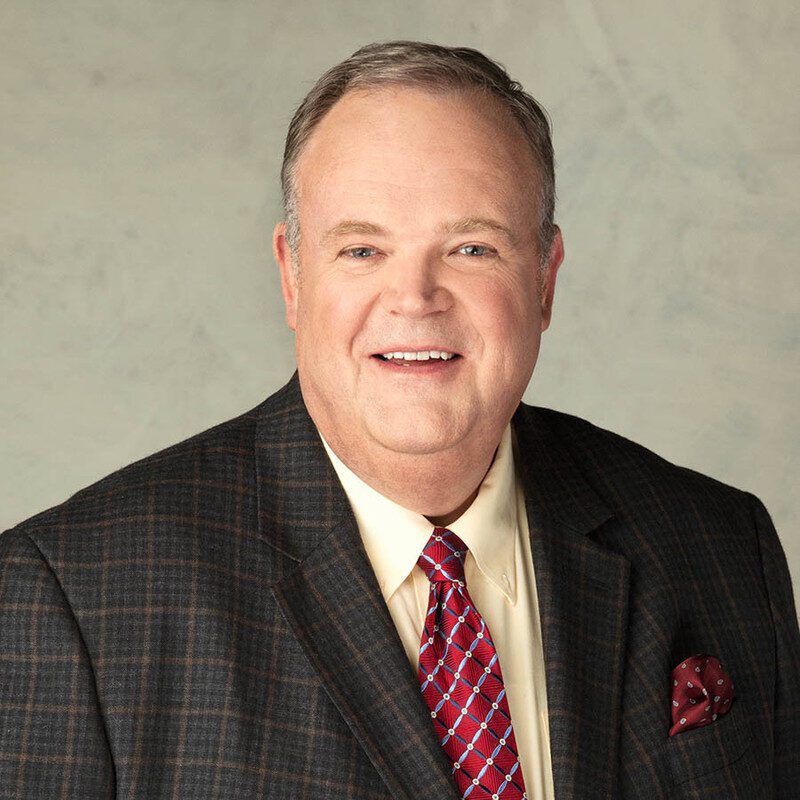
Rich Crowe
Executive Vice President, Booz Allen Hamilton
Rich Crowe has been a leader within Booz Allen since 2004, providing more than 25 years of experience in strategy development and technology delivery to the firm’s health business. From authoring seven patents on the method and application of nonequilibrium plasmas to revolutionizing how health care benefits can be delivered to veterans through the Department of Veterans Affairs, the mainstay of Crowe’s career has been his focus on the lasting positive impact of his work for patients, veterans and clients.
“I tell people all the time that Booz Allen is a large company that encouraged me to let my entrepreneurial bent shine through,” he says. “I took the success factors I learned in small business and came here. Booz Allen allows me to be bold, to think differently. We’re not locked into certain lanes. We’re allowed to question the status quo, as long as you’ve got a plan to innovate and to move forward.”
Why Watch:
Crowe leads Booz Allen’s health business. In this role, he oversees teams ranging from health IT professionals, committed to support large electronic health record modernization initiatives, to life sciences practitioners deploying artificial intelligence in health care. Crowe is committed to helping all of his clients employ solutions to help reimagine health care in support of the patient.
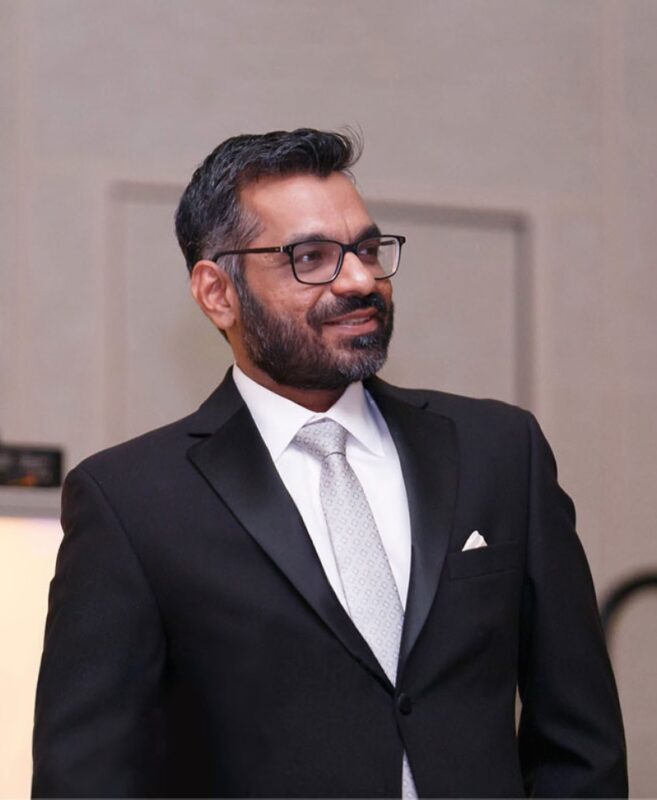
Rahul Suthar
Chief Operating Officer, NETE, an NTT DATA Company
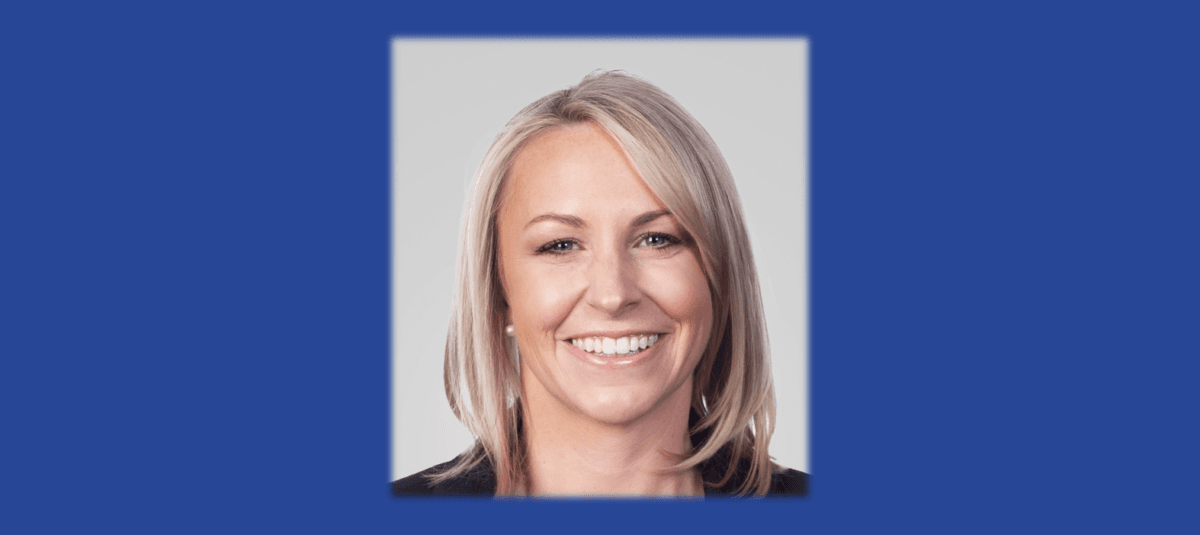
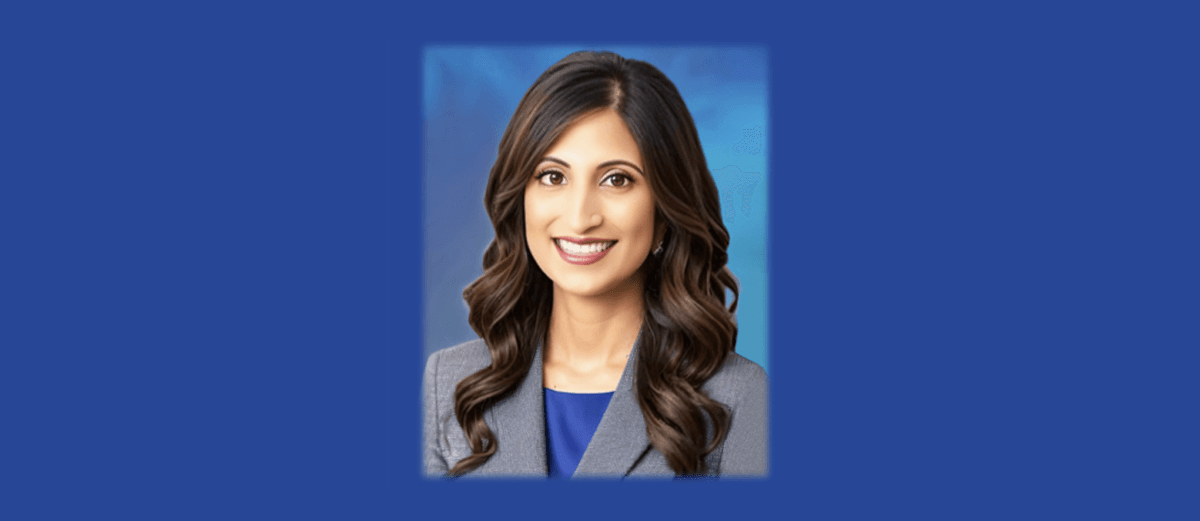
For almost a decade, Rahul Suthar has been an integral part of the NETE executive leadership helping guide the company’s federal health business. He’s been instrumental in driving 25x growth at NETE over the last 10 years.
As COO, Suthar oversees all operations, business development and delivery activities across NETE. He’s driven by a desire to bolster client relationships and advance strategic initiatives to foster organic and inorganic growth. His vast and varied engineering and management expertise helps him to crystalize solutions and envision future state technologies on behalf of his clients. Suthar’s commitment to his federal health IT clients comes from a visceral belief in their missions and a strong desire to create a better world.
Last year was significant, both for NETE and for Suthar personally: NETE booked more than $250M in unrestricted contract awards, and it was acquired by NTT DATA. Suthar played a pivotal role in achieving both these milestones. With the acquisition complete, Suthar now leads NETE’s entire federal health IT business for NTT DATA under the leadership of Tim Conway.
Going into 2020, NETE is embarking on an exciting future as part of the NTT DATA family and looks forward to serving its clients with a larger portfolio of offerings and capabilities. In the near term, the focus is on laying a strong foundation and leveraging the combined strength of NETE + NTT DATA to better serve clients, internal and external stakeholders and partners.
Why Watch:
Suthar is now responsible for all business development, as well as the development and execution of corporate strategies that will enable NETE to expand its footprint in the federal public health and human services market. He and NETE as part of NTT DATA’s Public Sector and the larger NTT global family of companies, now have a much bigger platform, larger and more comprehensive portfolio of offerings and larger institutional framework to drive growth and success.
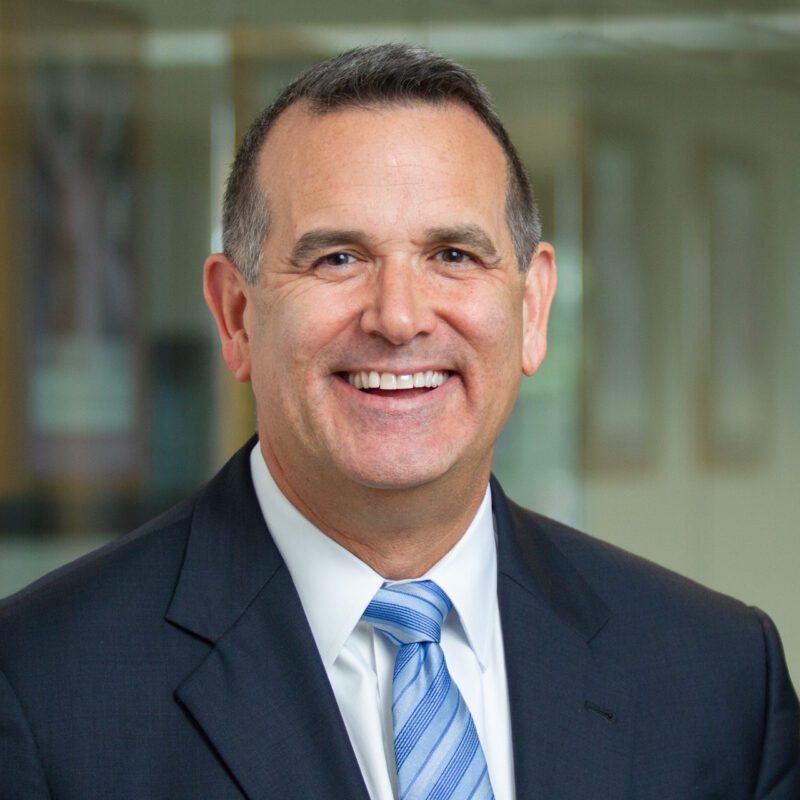
Dr. Michael S. Weiner
Chief Medical Officer, MAXIMUS
Since joining MAXIMUS in July 2018 as chief medical officer, Dr. Michael S. Weiner has relied on his quarter-century of experience in the clinical and technology fields to develop strategies that have continued to fuel the growth of the company’s health services business. He’s been the driving force behind the overall strategic direction and oversight of global clinical health services programs and all clinicians for MAXIMUS around the world.
His portfolio at MAXIMUS includes solution development, delivery of wellness and prevention initiatives, health assessments, chronic disease and aging support, and case management. There are more than 5,000 physicians and clinicians support MAXIMUS, which Weiner believes differentiates the company from competitors.
“Our scale, depth and global, clinical reach is unmatched,” he said. “In the United Kingdom alone, we do more than 1 million clinical exams each year. Our goal is to help citizens better navigate their own clinical journey.”
To achieve that goal, Weiner believes the ability of MAXIMUS to incorporate health IT into that journey is “unparalleled.” His background has helped him bridge the gap between technology and clinical services, as he previously served in C-level roles for both IBM and the Defense Department.
“We employ technology in support of citizens to make sure they get the care they deserve and are entitled to,” Weiner said. “From AI to machine learning, our platforms rely on technology to assist citizens during their clinical journey and expedite the process.”
Why Watch:
Moving forward, Weiner said his biggest focus for MAXIMUS will be developing and delivering new care plans to meet the changing global demographics. For working with government and agencies will involve using modern, digital platforms to increase efficiency in an era where there is a shortage of care providers.
“I want us to lead the way in creating an entirely new care model,” Weiner said. “We need to change from only supporting episodic care to a much more continuous supportive model, to help citizens improve their health.”
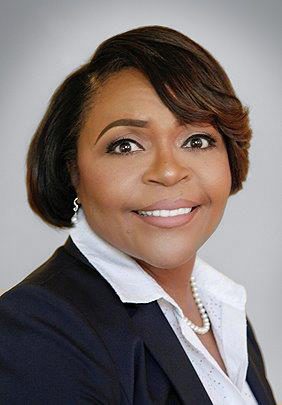
Yolanda Curtis
Operating Unit Director, Northrop Grumman
In 2019, Yolanda Curtis was tapped to transition from leading a portfolio of health IT programs, to the director for the entire Health Protection Solutions Operating Unit. She was chosen for her focus on top program performance, business growth and building strong teams where employees can work at their best. She also has high employee engagement and low attrition, even in this competitive job market.
“Every day, at Northrop Grumman, we are defining possible,” Curtis said. “This means we are always questioning, problem solving, designing and building solutions for our customers’ toughest problems; things that seem impossible, until we prove they are not.”
For example, Northrop focuses on innovations that ultimately help keep people safe and secure, and its teams thrive at the intersection of technology, innovation and creativity.
“And at the heart of everything we do is our relentless focus on quality, integrity and high ethical standards,” Curtis added.
Right now, Northrop’s priority is helping customers fight COVID-19.
Curtis’ Health Protection Solutions Operating Unit delivers services and solutions associated with providing the global health community with agile IT and solutions to promote health, prevent disease and prepare for and respond to adverse health events domestically and internationally.
“We have been investing in innovative IT solutions such as microservices to build integrated, scalable platforms across multiple cloud environments that enable health partners to send disease surveillance standards-based messages and conduct timely analysis across data from numerous sources,” Curtis explained.
Plus, her team is using artificial intelligence and deep learning to address emerging threats and improve the nation’s synthetic biodefense capability through detection of artificial changes in organisms.
Why Watch:
In 2020 and beyond, Curtis’ focus is to ensure her organization continues to be a health IT market leader. It’s not enough to maintain their standing, but she is looking to grow and expand into new areas where she can leverage the power of Northrop Grumman for customers’ technological advancement and digital transformation. Working with her teams and customers, Curtis looks to create breakthroughs that address emerging disease threats (e.g. COVID-19) in this ever-shrinking world.
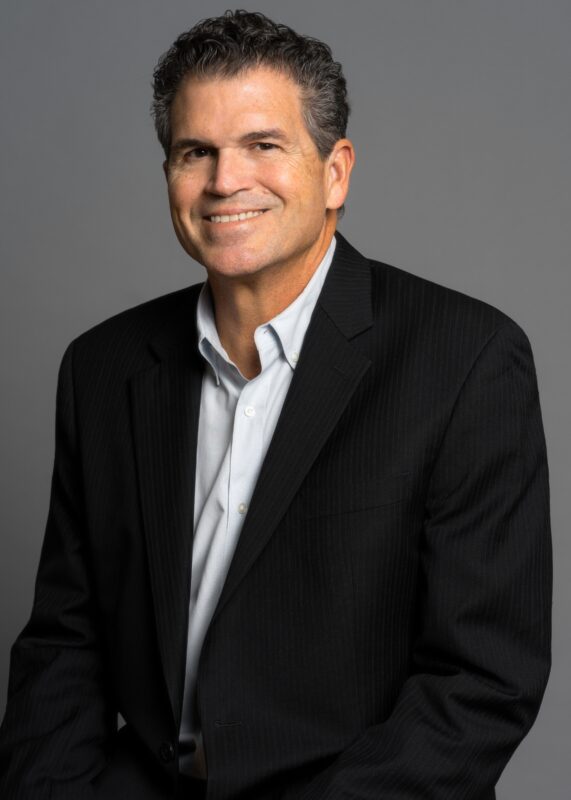
Michael Jackman
Chief Operating Officer, Leidos Health Group
Leidos named Michael Jackman Health Group chief operating officer in January, and he has since overseen the group’s daily operations and is working closely with the leadership teams to deliver platforms and services that help address current health care challenges.
And while Jackman has been with Leidos for a few months, the company has a 50-year legacy of deep engineering and novel complex systems integration, employing health IT experts who deliver solutions from bench to bedside while maintaining a high work ethic and integrity.
According to Jackman, the challenges associated with the cost of health care and the shortages of resources, nurses and doctors continues to build a huge growth of health care needs for efficiency and better outcomes. In response, “Leidos is focused on enhancing patient care and transforming service delivery models through digital transformation to revolutionize the future of health care,” Jackman said.
The company works with a variety of commercial hospitals and federal health customers including the Centers for Medicaid Services, the departments of Veterans Affairs and Defense, and the National Cancer Institute. Leidos also serves the health care industry broadly from life sciences to electronic health records and integrations and deployments.
Plus, the company has more than 2,000 life science professionals working on vaccine developments for diseases like malaria, zika, ebola and now COVID-19.
“Leidos has an impressive breadth of skills and capabilities, which enable us to deliver the innovation required to transform healthcare and deliver better outcomes for the patient,” Jackman said.
And even as the company has delivered applications and workflows for better outcomes for several decades, it’s constantly looking for ways to integrate emerging technologies to enhance customer missions.
“We have developed a modern application as a service platform, which we use to deliver modern applications with speed and agility,” Jackman said. “The company has the ability to efficiently modernize legacy applications and develop new processes and workflows without having to do entire enterprise upgrade all at once.”
For example, Leidos recently launched a careC2 Command Center, a product that gives health providers real-time metrics, shared awareness and proactive notifications to improve the flow of patient care.
Why Watch:
Clinicians, nurses and others on the care team are challenged with complex and inefficient workflows, and many don’t have sufficient time to enter information and document in real-time. So, Leidos is working on improving these workflows, and to input meaningful and essential information directly into the clinical workflows to drive better outcomes.
And by leveraging the careC2 platform, Leidos’ teams are focused on delivering solutions that will improve the flow of data into various operational workflows in delivery. For example, it has developed a command center for hospital emergency departments that manages and improves operational efficacy and patient flow with real-time automated alerts, notifications and patient tracking.
In 2020, Leidos will continue supporting the need for health care interoperability and open standards to deliver better patient care and outcomes.
“Our customers have a significant need for digital transformation and we’ll continue to modernize their legacy platforms using cloud capabilities, [artificial intelligence/machine learning]and emerging technologies,” Jackman said. “Leidos will continue to be a trusted partner that provides innovative solutions for health customers’ toughest challenges.”
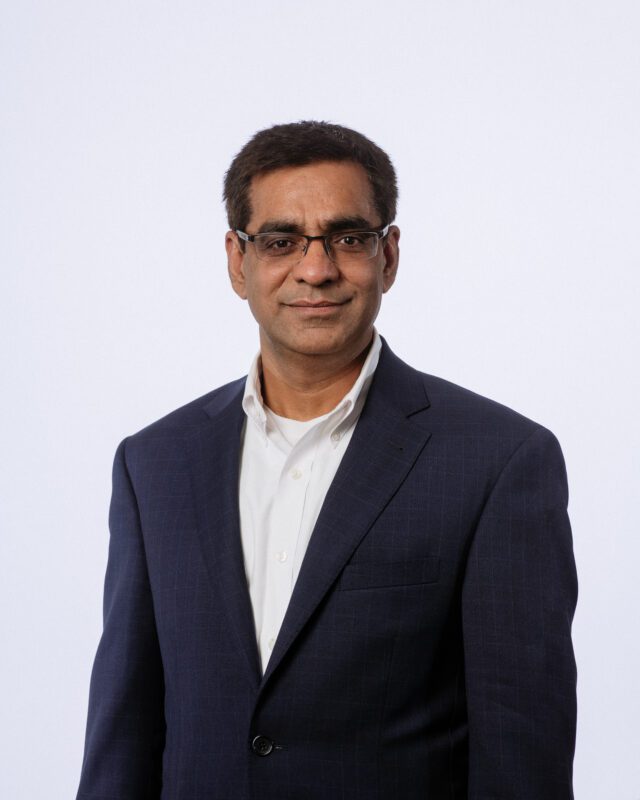
Kamal Narang
Vice President & General Manager, Federal Health Sector, GDIT
As the head of GDIT’s Federal Health Sector, Kamal Narang has integrated three different health units — following two mergers in four years — into a cohesive, GDIT team dedicated to an enduring commitment to value, innovation and service delivery in support of its customers’ mission.
“To us, customer acknowledgment of our partnership approach through elevated execution excellence is demonstrated by our wins on all major re-competes within our GDIT federal health business,” he said.
GDIT works at the intersection of mission and IT, and leverages innovation to address its customers’ critical needs in support of a broad spectrum of federal health agencies. Those agencies include the Centers for Medicare and Medicaid Services, the Department of Veterans Affairs, the Centers for Disease Control and Prevention, the Food and Drug Administration, the National Institutes of Health and the Military Health System.
Plus, GDIT is embedding innovation in its DNA — which comes naturally to the company as it has created a culture of innovation it attributes to successful delivery and accomplishment, according to Narang.
“Every year, we run an innovation challenge on several of our programs that drives not just proof of concept ideas, but delivers tangible results with proven scalability potential,” he explained. “These go a long way with customers in changing the dialogue and bringing vision to life, while constantly innovating.”
And personally, Narang was invited to join the board of The Children’s Inn at NIH, a residential facility located on the grounds of NIH to provide families with seriously ill children free lodging while their loved ones receive critical treatment while participating in NIH research initiatives.
“I am proud to work at a company like GDIT where employees collectively devote tens of thousands of hours in volunteer and outreach activities in order to make a positive impact on the communities where we live, work and play,” Narang said.
Why Watch:
Narang’s team of more than 3,000 professionals helps support its customers’ mission by addressing new challenges and identifying opportunities through the application of technology and services — from making sense of big health data and driving efficiencies through IT to advancing medical research.
At the Defense Health Agency, GDIT’s federal health team conducts research into traumatic brain injuries, directly reaching 8,500 patients (service members and veterans) each year. At CMS, it operates the payment systems that manage $1 trillion in health care payments each year, has delivered one of the largest federal government public cloud implementations and is now designing the next-generation provider enrollment systems. At NIH, it optimizes some of the nation’s most powerful high-performance computing systems to support the science. And at VA, the team is assisting in the digitization of benefits.
“Continuing to deliver the art of the possible within the federal health sector, whether it’s technology solutions such as [artificial intelligence], cloud or cyber, or life sciences and medical research, my organization focuses on innovation every day to help solve complex customer challenges that make a difference and creates value every day for our customers and employees,” Narang said.
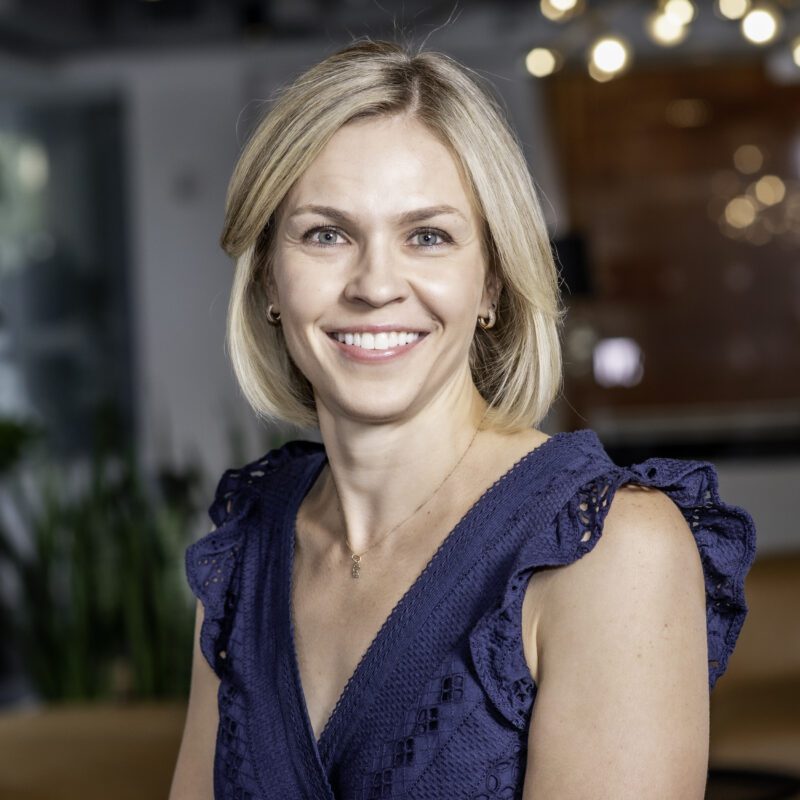
Anna Koroleva
Senior Vice President of Life Sciences, Medical Science & Computing
Anna Koroleva leads the Life Sciences & Bioinformatics division of Medical Science & Computing, a Dovel Technologies company. With more than 15 years of leadership in building successful teams to support and deliver on customer missions, she brings deep expertise in the federal health and life sciences industry.
Koroleva joined the leadership team of MSC in 2010 and played an integral role during and following Dovel’s acquisition of MSC in 2016. In 2019, she oversaw more than $80 million in annual revenue supporting some of the National Institutes of Health’s largest institutes and centers including mission-critical programs within National Institute of Allergy and Infectious Diseases, National Library of Medicine, National Cancer Institute and the Clinical Center. She manages a team of more than 400 personnel, many of whom are frequent recipients of NIH director and NIAID merit awards.
In the last year, under Koroleva’s leadership, Dovel’s Life Science’s business unit has been involved in initiatives that kept NIAID at the forefront of today’s rapid scientific pace. Her team has led 3D visualization and printing, augmented and virtual reality, and data analysis in the cloud-computing environment for NIH.
And MSC, a longtime partner to NIH and now as a Dovel company, continues to grow and expand capabilities. Koroleva has been instrumental in leading these efforts as she has developed strong relationships with NIH stakeholders and has worked to build teams who constantly put the mission first.
Plus, Dovel’s Life Sciences business unit is at the forefront of developing state-of-the-art tools and methods, and Koroleva is leading the charge in working with emerging technologies. For example, virtual and augmented reality to enhance diagnosis, treatment, and wellness; precision medicine, an emerging approach for disease treatment and prevention; image processing and biomedical analysis; and ongoing developments in cell and gene therapy.
Why Watch:
Together, Dovel and MSC remain steadfastly focused on supporting and advancing customers’ missions. Koroleva is focused on expanding the company’s work with regulatory affairs; scientific research; data analytics, statistical, and bioinformatic analysis; and chemical, biological, and radiological threat response.
In support of this expansion, she continues to build a robust team of highly qualified medical experts, clinical researchers and data scientists. She is always looking to provide professional development opportunities through training, certifications and challenging programs. By focusing on the expansion of new business and team development, Koroleva is propelling Dovel’s three pillars of focus — innovation, customer success and employee growth.
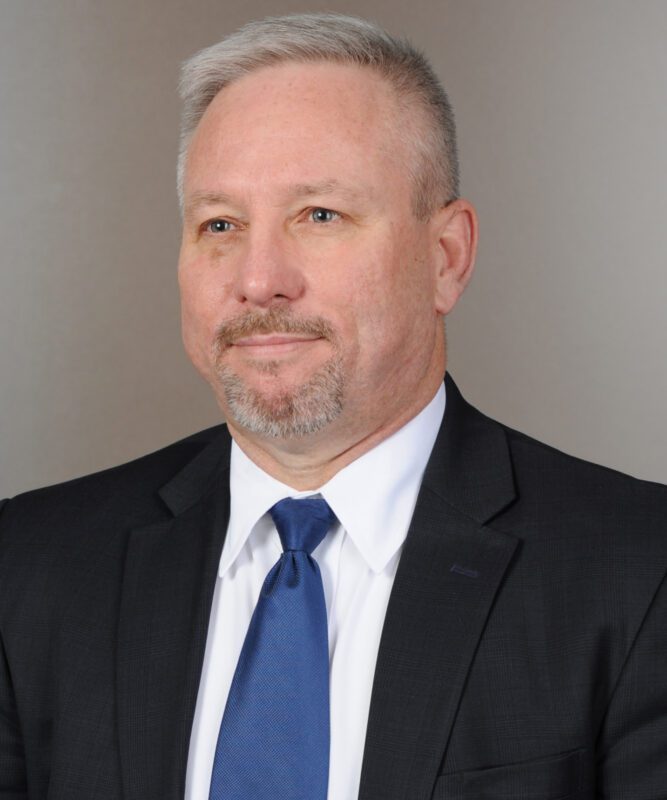
Bill Lovell
Senior Vice President & General Manager, Health Group, Perspecta
Bill Lovell leverages more than 30 years of experience in areas like federal program management and financial management, business process re-engineering, business enterprise architecture, health IT operations, and health system performance monitoring and reporting.
At Perspecta, he leads strategic planning and support for customers across the health market, and 2019 proved to be a busy year for Perspecta’s health group in terms of achievements and milestones.
In partnership with Cerner Corp., the health group team successfully architected, designed and developed more than a dozen application programming interfaces to support the integration of the new Cerner electronic health record at the Department of Veterans Affairs.
The group also led a coalition of industry corporations in a partnership to design a path forward for the legacy EHR system at the VA, Veterans Health Information Systems and Technology Architecture.
And through a partnership with the Defense Health Agency, the team developed an IT shared service integration plan enabling consolidation of several unique legacy Army, Navy and Air Force IT support functions into the DHA Global Service Center Operations, which provides worldwide access to the Military Health System.
Additionally, the health group successfully partnered with the U.S. Digital Service team to design and develop several projects supporting the Centers for Medicare and Medicaid Services’ modernization efforts of its Fee for Service Payment systems.
Perspecta has supported CMS in various capacities since the agency’s inception in the mid-1960s, and Lovell said working alongside customers for several decades enables a level of customer intimacy that creates a true contractor-customer partnership.
“It’s because of these relationships that the Perspecta health group team is not viewed just like any other vendor,” he said. “We are an extension of our customer teams and regarded as a trusted consultant in areas that matter most.”
Perspecta’s health group is also looking at health industry opportunities associated with next-generation data interoperability standards and implementation regulations.
“Our team is committed to delivering exceptional quality services while developing and strengthening partnership coalitions to leverage services and capabilities across the health IT ecosystem,” Lovell added.
And Perspecta’s HealthConcourse, a digital health platform, helps solve the fragmented data challenge facing the health care industry by collecting and enriching raw, disjointed information from various health care data sets into a single platform.
Lastly, in partnership with the company’s applied research lab Perspecta Labs, the health group is leveraging emerging robotic process automation technologies to solve mission challenges across its customer base.
For example, at DHA, it leverages RPA to improve the efficiency of monitoring and reporting functions supporting more than 200 applications across the Military Health System, and the group is exploring the potential of RPA technologies in claims processing automation across health payer and health provider organizations.
Why Watch:
Perspecta’s health group is focused on bringing high-quality services to its customer base across the health market, and this remains its top priority in 2020 and beyond. The company will continue to use its insight into legacy infrastructure and processes and its applications to cloud methodology to ensure customers have the right technology, culture and resources to reach the full potential of cloud.
“Our customers are actively working on implementing various technology modernization and improvement programs, and we remain steadfastly committed to partnering closely with them to deliver continuity of operations and an accelerated, seamless transformation,” Lovell said.
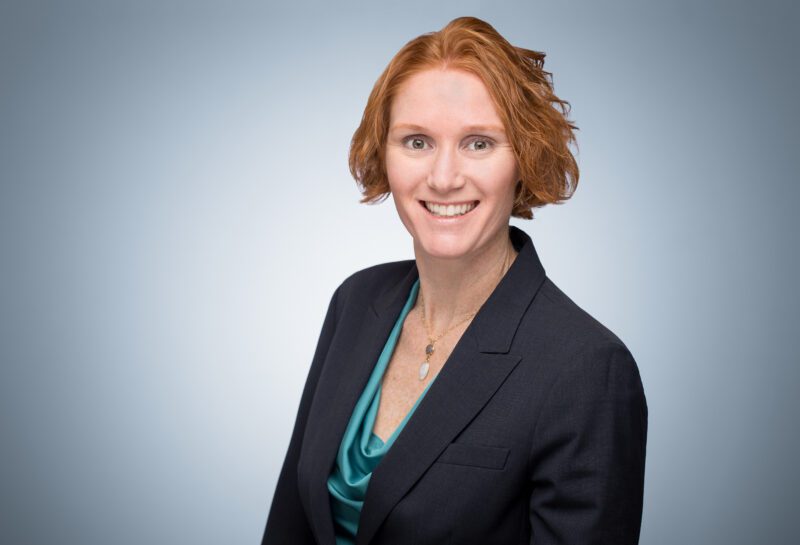
Dawn Halfaker
Founder & CEO, Halfaker and Associates
Dawn Halfaker founded Halfaker and Associates, a professional services and technology solutions firm, in 2006. Prior to her consulting career, she served as a military police officer in the U.S. Army, holding several leadership positions and earning a Purple Heart and Bronze Star for her service after being wounded during a combat patrol near Baghdad in 2004.
And it’s her Army training and team-first mentality to motivate and drive success that influences her unique and powerful leadership style.
Halfaker has fostered a culture of service across the company, developing a team driven by a shared mission to continue to serve, and deeply committed to improving the health, security and well-being of all Americans. She also prioritizes veteran hiring with a Veteran Fellowship Program designed to provide opportunities for veterans transitioning to civilian careers.
And the firm’s solutions are critical drivers for health care modernization and increased interoperability, which Halfaker believes is vital for high-quality, effective care. The company brings private sector-level solutions to the federal health care space to help accelerate health care transformation.
To do so, the firm applies its data analytics capabilities to help medical researchers leverage massive datasets to improve health outcomes, like through its VA Informatics and Computing Infrastructure project, which enables researchers to carry out life-saving research to improve health outcomes for veterans.
Plus, a rigorous Enterprise Engineering Management Framework and maturity rating positions Halfaker to scale its engineering capabilities while maintaining consistency and increasing customer satisfaction and excellence in service delivery.
For example, with the VA Informatics and Computing Infrastructure, the firm helps to deliver a secure, centralized platform that uses cutting-edge analytics tools and techniques to empower researches with massive datasets that enable them to carry out life-saving research.
And the Veterans Signals project collects and analyzes customer feedback on their health care experiences and identifies at-risk veterans so VA can continuously enhance its services and programs and provide real-time intervention when needed.
Why Watch:
Halfaker plans to further build out its artificial intelligence and machine learning capabilities to help agencies reimagine the future of health care innovation. The firm already leverages AI/ML internally and has achieved results supporting VA’s Vocational Rehabilitation and Employment program, where it has partnered to deliver an AI solution that has reduced administrative burden, increased client engagement and enabled VA case managers to spend more time working directly with clients.
And with 275% revenue growth over the past three years, a strong leadership team and more than 500 team members dedicated to improving the health, security and well-being of Americans, Halfaker said the firm’s potential is limitless.
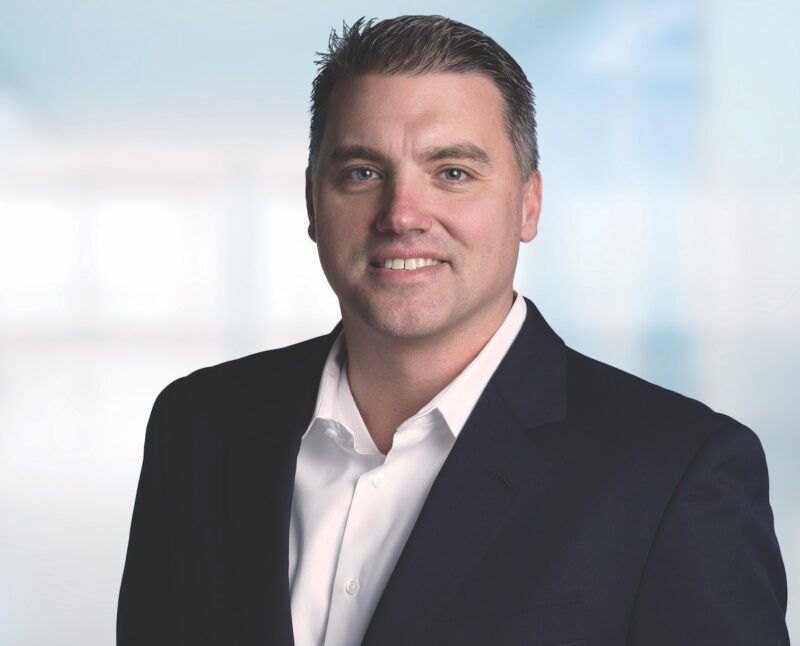
Travis Dalton
President, Cerner Government Services
Travis Dalton serves as the first president of Cerner Government Services, overseeing more than 5,000 Cerner associates and 40 partner companies working to provide the departments of Defense and Veterans Affairs with a new, interoperable electronic health record.
With more than 1,955 sites of care serving 18 million service members, veterans and beneficiaries, these programs combined make up the largest, most complex health IT modernization in history — and for decades prior, DOD and VA have struggled to establish shared systems and technology to efficiently share critical health data.
Under Dalton’s leadership, Cerner has delivered major program accomplishments contributing to measurable improvements in patient safety and care, while cultivating a new spirit of teamwork across the agencies.
For example, in 2019, Dalton led Cerner in supporting VA’s successful migration of 23.5 million veteran health records to a secure Cerner data center, enabling VA and DOD data to reside in the same system for the first time.
He also supported early stakeholder engagement with VA leaders, clinicians and end-users via national and local workshops and site reviews, which resulted in new clinical workflows that will improve care speed and quality across VA beginning with initial operational capability sites in July 2020.
And with his leadership, Cerner teamed up with VA to develop the VA Innovative Technology Advancement Lab, a clinician training program to drive product adoption and compliance; and supported DOD’s successful EHR rollout at Travis Air Force Base as a core partner on Leidos’ Partnership for Defense Health and initiating the pilot wave for U.S. Coast Guard.
Why Watch:
For Dalton, the opportunity to work on behalf of DOD and VA comes with great responsibility to deliver at the highest level of quality and value to best serve the veteran and military community.
In addition to leading the day-to-day program support, Dalton has spearheaded new local, regional and national partnerships with veterans service and military service organizations that focus on research and innovation to provide mental health awareness and treatments, combat opioid abuse, prevent suicide and support caregivers.
And as a leader, Dalton is said to bring humility, a mission-centric approach and a servant leadership style that sets him apart. He believes in continuous coaching and invests significant time in cultivating a culture that nurtures leaders at every level and helps them thrive, while working as one team to achieve the collective mission.