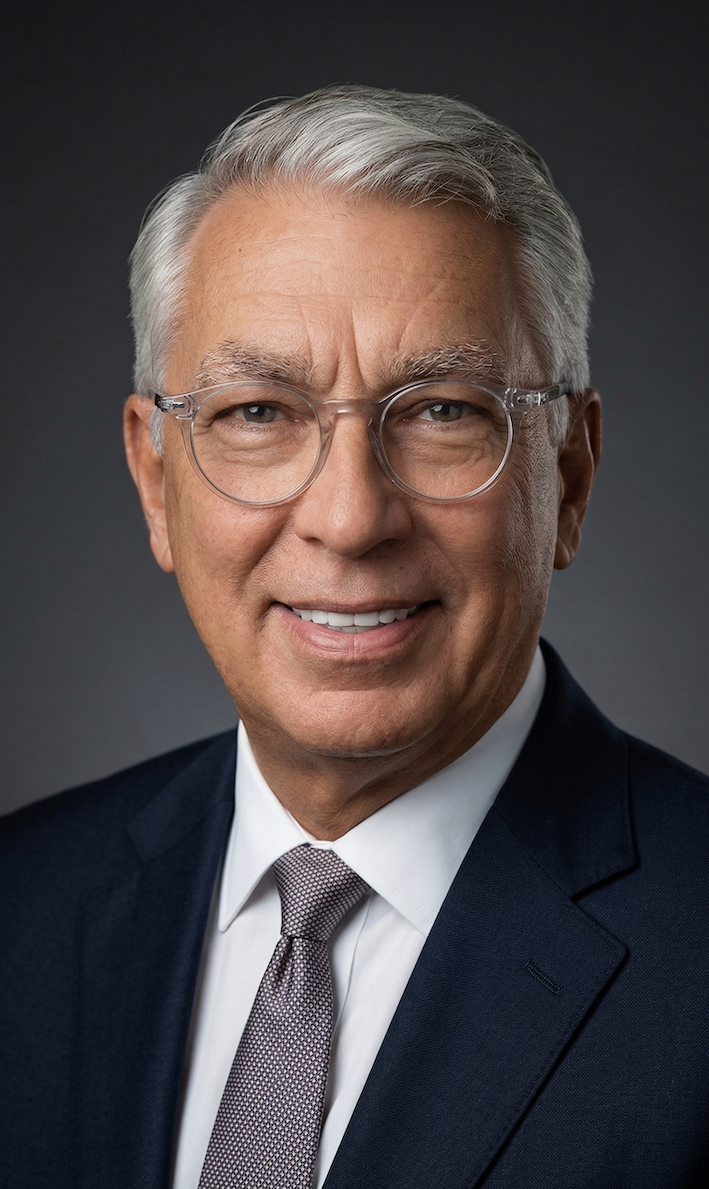
A beginner’s mind and the capacity for accepting change are crucial to success in today’s AI-driven transformation landscape, according to Dr. Rod Fontecilla.
Fontecilla, chief innovation and AI officer at Revolutional, is a finalist for WashingtonExec’s Chief Officer Awards in the Private & Public Company Artificial Intelligence Executive of the Year category. The event takes place live June 2.
In this spotlight, he discusses scaling Revolutional’s AI Labs innovation platform, the need for the government to build agentic AI architectures at scale and the urgency of being quantum ready by 2030 or sooner.
What key achievements did you have in 2025/2026?
The achievement I’m most proud of is building and scaling our AI Labs innovation platform. Today, the platform hosts more than 60 minimum viable products (MVPs) that our teams designed to support a wide range of missions across the federal government, from fraud detection to health research to workflow digitization. We’re able to move from concept to working prototype in weeks, not months, iterate based on user feedback, and scale what works.
Equally important, we extended use of the platform into corporate innovation. Our business development/capture, HR, and finance teams all use AI-powered applications on the platform to sharpen competitive intelligence, streamline operations and drive business growth. That dual purpose, serving both external missions and internal operations, has made it a true enterprise-wide transformation engine.
What are your primary focus areas going forward, and why are those so important to the mission?
Two critical areas. First, agentic AI frameworks and architecture. We’re moving past the era of AI as a question-and-answer tool into a world where autonomous agents can reason, plan and execute multi-step workflows. Building secure, auditable agentic architectures is essential for government adoption at scale, and I’m focused on embedding AI where it drives measurable value for everything we do, to make AI a foundational part of how we work, not just a niche capability.
Second, post-quantum cryptography. Every agency needs to be quantum-ready by 2030 or sooner. The cryptographic standards protecting our nation’s most sensitive data will become vulnerable, and the migration to quantum-resistant algorithms is a massive undertaking that needs to start now. We’ve already worked with one federal health agency to set their post-quantum path and I’m committed to helping all our customers understand the urgency and begin that transition before the threat materializes.
Together, these focus areas address both the opportunity side of emerging technology and the defensive imperative of protecting what we’ve already built.
What is your best career advice for those who want to follow in your footsteps?
Embrace change, especially in technology. What worked a few months ago may be obsolete today. The leaders who thrive are the ones who pivot quickly enough to stay ahead of their customers’ needs. If you’re advising based on last year’s playbook, you’re already behind.
Practice shoshin — beginner’s mind. No matter how much expertise you accumulate, approach every new challenge as if you have something to learn. The world is changing at a pace that punishes arrogance and rewards curiosity. The moment you assume you’ve figured it all out is the moment you stop growing.
What is something about you most people would be surprised to know?
I’m a master-level chess player. Chess has taught me more about strategic thinking, patience and reading your opponent than any business book ever could. Think several moves ahead, adapt when the board shifts, and know when to sacrifice short-term advantage for a stronger position. Any fellow executives want a match?