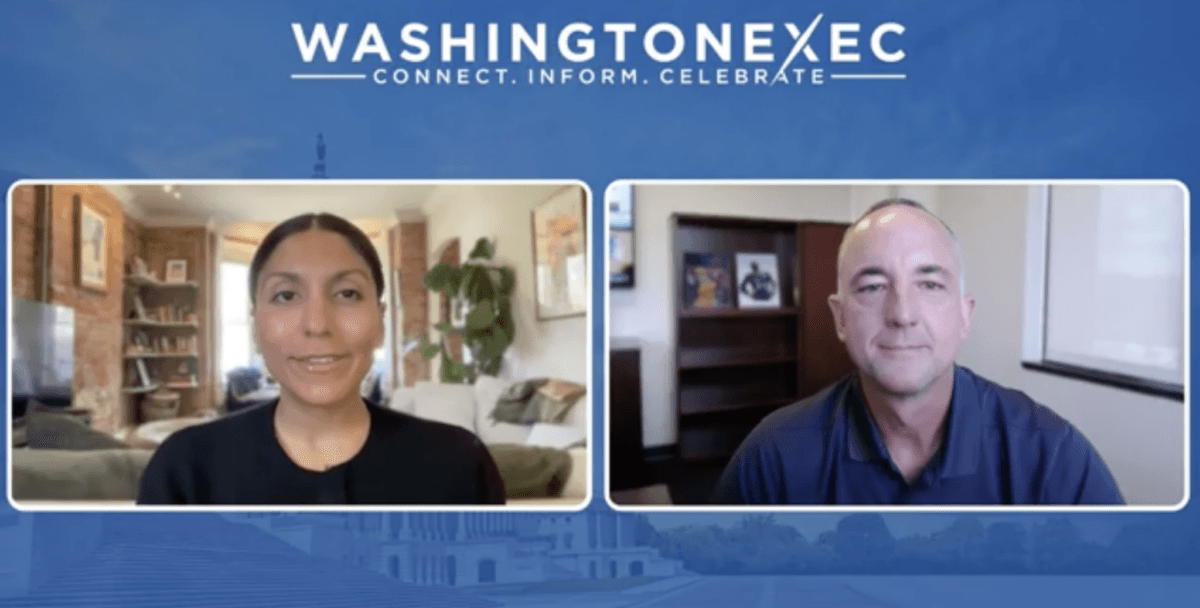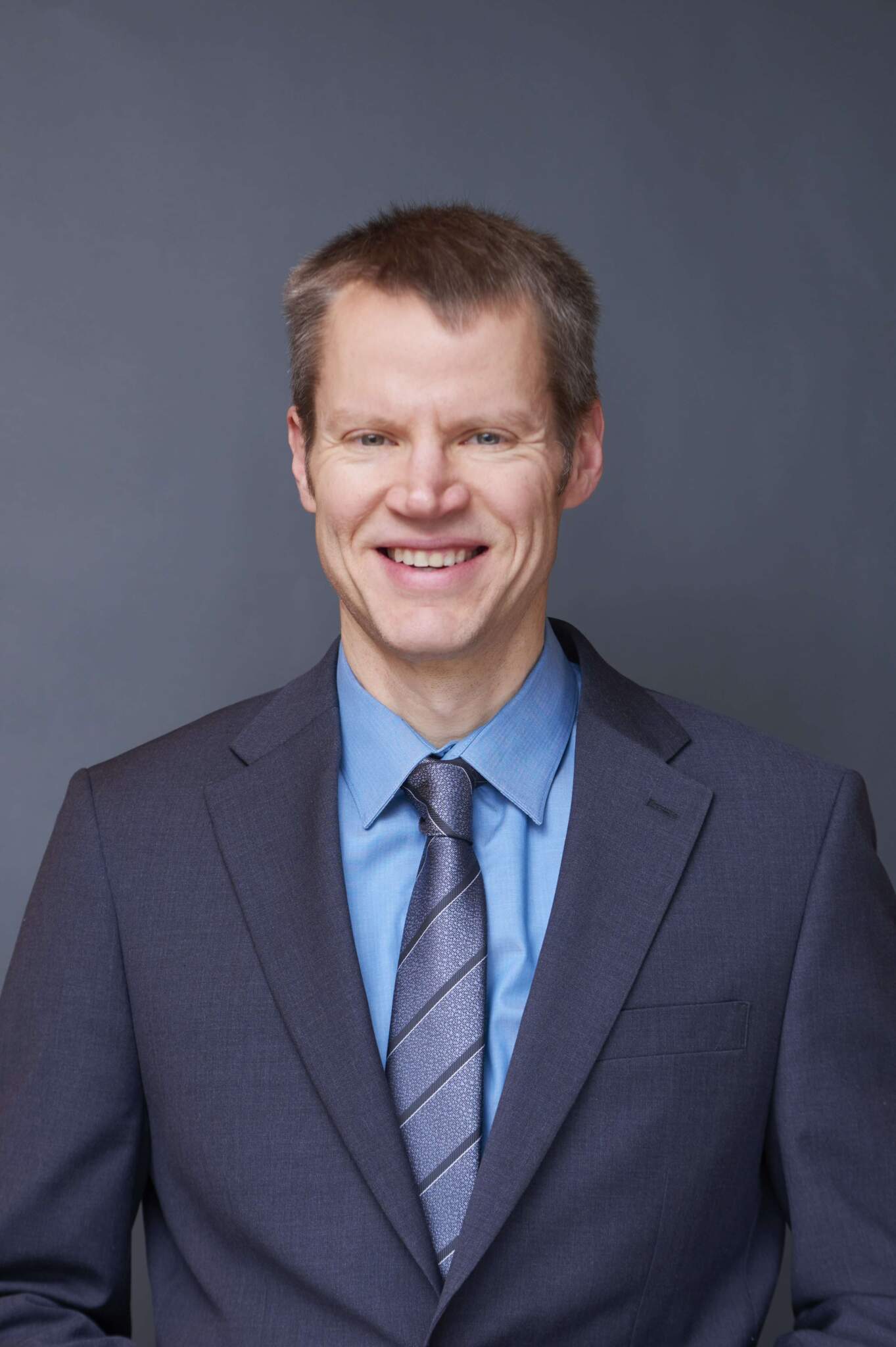
As CEO of a company dedicated to national security missions, David Popelier says it’s imperative to never lose sight of that mission and the employees who support it.
Popelier leads ATS and is a finalist for WashingtonExec’s Chief Officer Awards in the Private Company (annual revenue greater than $100 million and less than $500 million) CEO of the Year category. The event takes place live June 2.
In this spotlight, he discusses ATS’ transformation into a leading provider of technology services and solutions, and talks about how following your passion and taking risks in your career are keys to success.
What key achievements did you have in 2025/2026?
In 2025 and so far in 2026 we have consolidated ATS’s shift to a leading provider of technology-enabled services and solutions, building on a series of five acquisitions and organic growth that have translated into over 50% of ATS’s revenue coming from engineering, cyber, and network infrastructure work for national security agencies. In order to keep pace with the mission as it evolves, in early 2026 we hired our first-ever Chief Technology Officer, Gloria Glaubman, to accelerate this drive to identify solutions at ATS that we can scale for new customers and missions, and prepare ATS with best-in-class AI solutions, workforce training, and processes.
In 2025/2026, ATS strengthened its market position despite turbulence across the federal sector. We increased our total contract backlog by 31% with important new wins and extensions, giving ATS one of the strongest multi-year growth runways in our history. A major driver of this momentum has been our continued success on a 10-year prime IDIQ. Following key strategic investments and some excellent capture work we secured three new prime task order awards valued at nearly $60M. We have likewise sharpened capture efforts across our markets to increase our win rate and pursue work well-aligned with our capabilities.
What are your primary focus areas going forward, and why are those so important to the mission?
At ATS we never lose sight of what’s important: advancing the national security mission and addressing our customers’ most challenging problems; and our “Strength in People” ethos. Everything we do is doubling down and building on those core focuses. And that is why we’re passionate about growth so that we can bring this focus and discipline to more agencies and missions.
Our primary focus areas are centered on positioning ATS to lead as a mission first, technology driven prime partner across the Intelligence Community and beyond.
First, we are focused on building and delivering technology enabled solutions, especially those powered by AI and advanced analytics. Our customers are facing rapidly evolving threats and data demands, and the speed and precision required today simply cannot be met with legacy approaches. By integrating AI into our delivery and internal operations, we increase mission impact, strengthen our competitive edge, and demonstrate the innovation customers expect from a prime partner.
Second, we are accelerating organic growth through winning more prime contracts. This means investing heavily in our people to differentiate ATS in our captures and bids—upskilling the workforce, building AI proficiency, and empowering our leaders to shape opportunities and propose smarter solutions. Prime work gives ATS greater autonomy to drive outcomes, deepens our customer partnerships, and creates sustainable pathways for growth.
Third, we are committed to diversifying into new agencies. To continue delivering value at scale, we are “taking the ATS show on the road,” broadening our customer base and extending our mission impact. Diversification strengthens our resilience, expands the missions we support, and opens doors for our people to grow.
Together, these focus areas are about one thing: ensuring ATS delivers the highest impact solutions to national security missions while creating long term opportunities for our workforce.
What is your best career advice for those who want to follow in your footsteps?
So my career has been winding and anything but traditional—from government employee at two different agencies; to serving as a PM at a large integrator; to co-founding, growing, and selling a government services start-up; working at a big technology company; and ultimately joining ATS. I think the most important advice I’d give to individuals who are early career is two-fold: 1) find the nexus of where you’re both good at what you do and you’re passionate about it; 2) don’t be afraid to take risks because you take something away and grow from every experience.
I got into management and leadership because I’m passionate about people—there is nothing more satisfying to me than helping talented individuals develop and grow their careers, and we do that all the time at ATS as we promote new leaders and managers and provide individual contributors with the resources and opportunities to have the most impact as possible. On risk-taking and growth, I’ve often found myself in my career at junctures where I said, “wait, what am I doing here and why did I take this job?” only to realize later on that the knowledge and contacts I made in that position were absolutely critical to having an impact and being effective in a future role. That’s why I’d encourage anyone early career to stretch and take on new challenges even if the path beyond that challenge may not be immediately obvious.
What is something about you that most people do not know about?
If you know me well you know I have a passion for Latin America—the people, languages, food, music, etc. (though I can’t dance to save my life—that’s one part of the rich culture it’s best I don’t participate in). I did a study abroad in Oaxaca, Mexico, and lived there for a year after college, and I still make it a priority to travel to the region. My wife and I honeymooned in Peru and saw Machu Picchu, and I’ve also been able to visit Panama, Colombia, El Salvador, Chile, and many other states in Mexico.
This experience in the region has made me a better leader. The inevitable struggles and embarrassment that come from using new languages and being in a different culture have reduced any anxiety I may have had about public speaking and handling difficult situations. More importantly, spending time in a culture that is not your own helps you see things from a different perspective. I use the lessons I’ve learned in active listening, empathy, and relating to people from different walks of life every day at ATS.