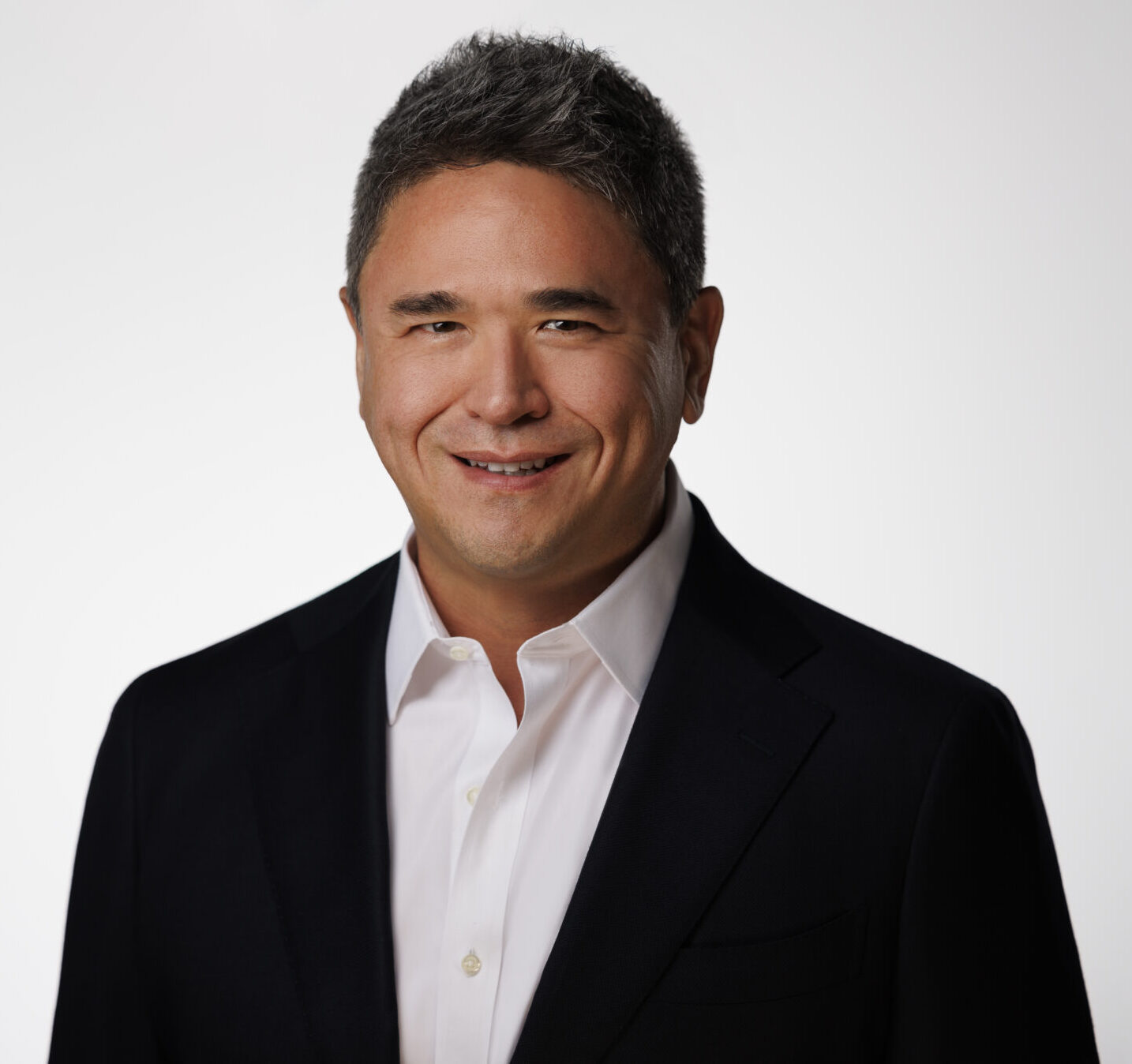
Chad Kim believes you learn who people really are when things get uncomfortable — whether riding 30 miles together before sunrise or navigating a 43-day government shutdown without furloughing employees.
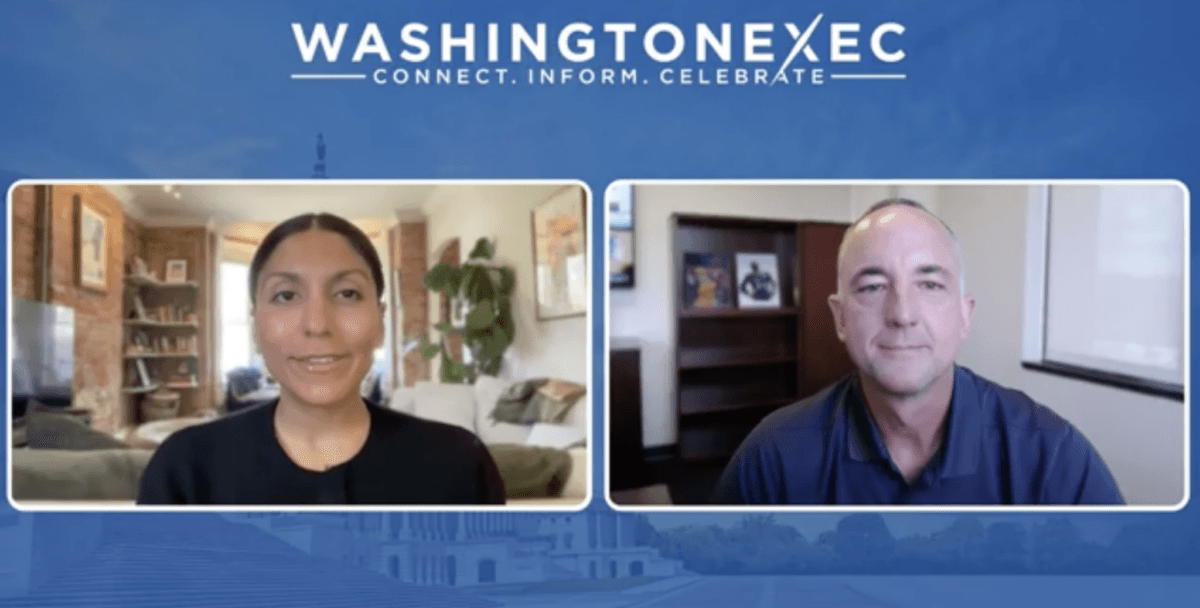
Kim is CEO of B/CORE and a finalist for WashingtonExec’s Chief Officer Awards in the Private Company (annual revenue less than $100 million) CEO of the Year category. The event takes place live June 2.
In this spotlight, he discusses how B/CORE team members navigated instability without furloughs, how AI helps bridge the gap between experienced operators and technical newcomers, and the leadership philosophies he finds most valuable in a national security context.
What key achievements did you have in 2025/2026?
The achievement I am most proud of is not a contract win. It is what my team did when the wins were uneven.
2025 was a transformative year for our industry. The Department of War and the IC began a real shift toward an outcome-driven acquisition model. The macro reform is the right direction. The micro reality for companies our size was delays, lumpiness and a 43-day government shutdown that affected 22 of our cleared people directly.
Some parts of our business grew more than 100% in 2025. Other parts absorbed the shock of programs paused or stalled. What I will remember is how the company responded.
People raised their hands to help with internal initiatives. Teams leaned across the company to support each other. We canceled the holiday parties, so nobody had to be furloughed. That is who we are.
That is the achievement. The wins in 2026 are the result of it.
We came into this year with two prime contract awards. We launched our first solution cell at a major IC customer. We earned CMMC Level 2 certification. The business is healthier than it has ever been.
I am grateful for every one of those outcomes. I am more grateful for the team that made them possible by holding the line when it was hardest to hold.
This is why I do this work. People helping people solve national security problems. I love it.
What are your primary focus areas going forward, and why are those so important to the mission?
My focus is the gap between disruption and displacement.
The national security mission is comfortable with disruption. New tools, new platforms, new vendors arrive every year and the community absorbs them. What it has not solved for is displacement, the widening distance between the savvy new entrant who can build the technology but lacks time in the saddle and the mission practitioner with 20 years of context who cannot move at the speed of the new tools. The gap between them is where capability gets lost.
We are using AI to close it. Not only to build new technical capability, but to bridge context. To compress the time it takes for a new engineer to become mission fluent. To give the experienced operator a way to move at the speed of the technology without abandoning what they know. The mission impact is faster decisions, better intelligence and operators who get the right answer in the moment it matters.
The technical version of this is that we are reengineering how people, process, technology and data come together in a cleared environment. The deeper truth is we are trying to make sure the next generation of the national security workforce does not have to choose between being technical and being mission credible. We need both in the same person, and we are building the system that makes that possible.
What is your best career advice for those who want to follow in your footsteps?
Here are a few sayings that have shaped how I think. They are not original to me (My mentors know who told me what!). They became mine because I leaned on them when I needed to:
Nothing is hard. Just new. Half of what we stress about is stress about the unfamiliar, not the difficult. Once you have done a thing once, the fear leaves and the work remains. Most of your career is learning to recognize the difference faster than the people around you.
The grass is dead everywhere. The job you are chasing has problems you cannot see from the outside. The company you are leaving has strengths you stopped noticing. Know what you are great at and how it solves a real problem. That is the part of you no market can commoditize.
Luck is when preparation and opportunity meet. And perfection is the enemy of good. The opportunity will arrive without notice and on someone else’s timeline. Stop waiting for the perfect role, the perfect moment, or the perfect plan. Get ready and go.
Those three sayings turn into three habits I work on every day.
Hone your craft. Get genuinely good at something. The market rewards depth more than titles.
Contextualize the value. Know what problem your craft solves and who it solves it for. Skill without context is trivia.
Be ready to move. The people who win are the ones who were already in shape when the door opened.
That is the whole framework. Hone, contextualize, go.
What is something about you most people don’t know?
I am an avid cyclist. Cycling is the new golf. I ride most mornings before the inbox wakes up. The W&OD, Rock Creek Park, the Capital Crescent. Usually with friends, mentors, and a few “competimates.” Nobody is performing at mile 30. You learn more about someone in two hours on a bike than in five meetings.
Most of my week is screens and meetings. The bike is the opposite of that. It is the most efficient hour I spend with another human all week.