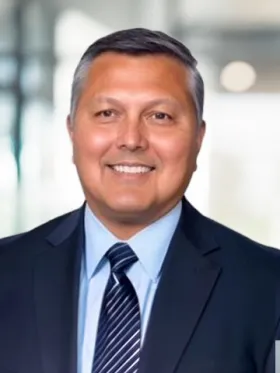
Edward Drolet’s four-decade career in national security and technology can be traced back to a formative childhood moment: Watching fighter jets thunder overhead near Hill Air Force Base in northern Utah. That early fascination with flight and mission turned into a lifelong calling, leading to 24 years of active duty in the U.S. Air Force and decades supporting the Department of War and intelligence community.
Now serving as vice president of the Defense, Intelligence and Space sector for CGI Federal’s Air Force portfolio, Drolet is focused on driving modernization efforts and helping the service adopt emerging technologies like AI to enhance mission effectiveness.
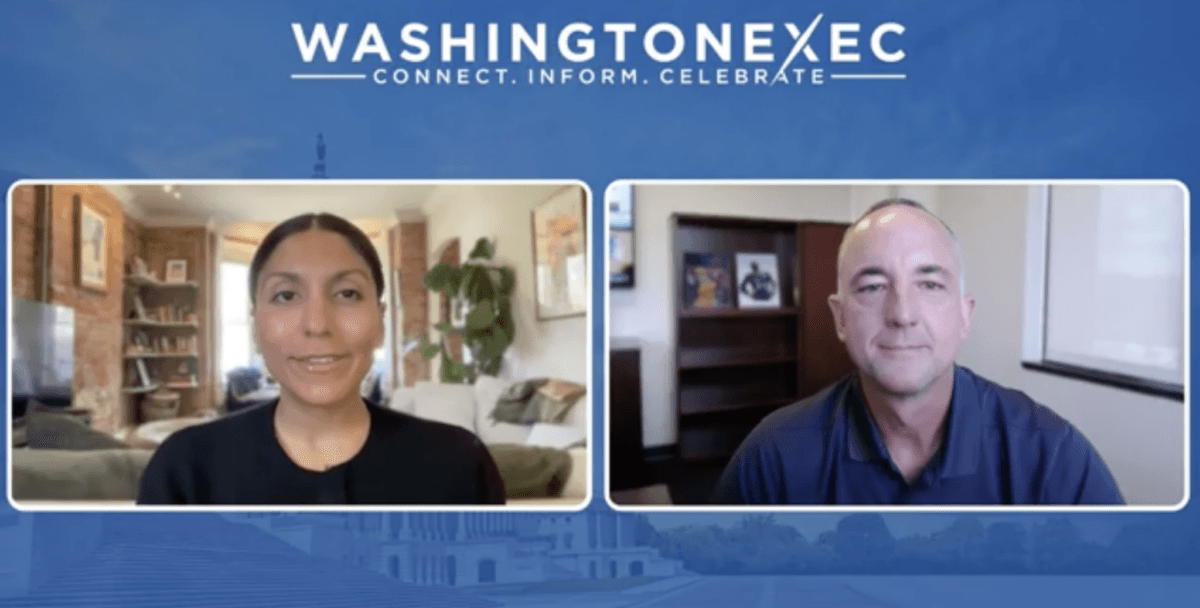
In this conversation, he reflects on the experiences that shaped his career, the leadership principles that guide him and where he sees the greatest opportunities ahead for the Air Force and industry partners alike.
Can you provide a brief overview of your professional background and career progression?
I am a senior national security and technology executive with more than four decades of experience leading digital transformation and mission-focused technology programs across the Department of War, the Intelligence Community, combatant commands and allied partners. In my current role at CGI Federal, I drive growth and secure modernization initiatives.
My career started with 24 years of active duty in the Air Force, and then serving as Executive Director of the Chief of Staff of the Air Force Strategic Studies Group. While there, I became the Chief Technology Officer for the organization, running a global $2B intel-sharing program for the DOW and Air Force.
Recently, my friend Axel Foley asked me to thoughtfully consider coming to CGI Federal to take over for him as a vice-president leading the Air Force sector. I thought about it for a while and moved forward once I had considered the challenges and realized the potential difference I could make.
Why was this the path you chose, and how influential was it to your career?
When I was a little kid, I watched F-4s fly overhead in northern Utah near Hill Air Force Base, and then later, the F-16. That was what first drew my attention, I think.
I had 14 deployments over my 24 years in the USAF. I really love carrying out missions and leading teams. I felt strongly that if I’m leading the team, everybody’s going to make it back because we will take care of each other.
Do you have a personal connection to the current mission you support? If so, please explain.
Almost every position I’ve held in civilian life has had some connection to the Air Force or the armed services. I may have left active duty, but I’m still serving the Air Force mission.
What are your current top priorities and responsibilities? How do these relate to your company’s overall mission/growth strategy?
It has everything to do with leadership. I enjoy helping people reach their aspirational, professional and personal goals. It’s that intersection of people and mission. I absolutely believe your people are your seed corn, your people are your life’s blood. People are what make things happen in the company, and thereby, the customer—that’s the Air Force for my team.
Where do you and your team see growth opportunities in your current field or portfolio you support, or what do you anticipate to be your customers’ top pain points?
The Air Force needs to adopt AI into their workflows to create AI agents that provide mission value—saving time, saving costs and operating efficiently. CGI has the tools and models to help the Air Force operate more efficiently with fewer resources.
How are you and your team planning to address/prepare for these opportunities?
CGI has clearly demonstrated intellectual property and strategic core capabilities—including AI, systems integration, DevSecOps, cyber and all things digital transformation. These are capabilities that we can readily bring to bear for our clients, especially the Air Force.
Beyond that, I’m really passionate about Air Force mission systems, and we have the qualifications there too. We’re already working on two critical mission systems for the Air Force today, building that out in airspace mission planning and battle management and command and control. And that is where I want to take this adventure.
How important is mentorship & networking in GovCon? Were they influential to your career?
When I left the federal government and went to work for industry, the biggest thing I offered them was my military background, followed by 10 years working in the Pentagon, the last five of those years working for the Chief of Staff. I know a lot of people in the government. Relationships are extremely important. Mission impact is where we can make the biggest difference.
What is something most people don’t know about you personally?
I’m a drummer! I played in a band when I was young, but after joining the Air Force and getting married, I walked away from that for a very long time. Two years ago, I woke up on Christmas morning and there was a drum set for me. I’ve been taking lessons again ever since. Every Saturday afternoon, my drum coach comes by. So, if we want to start a CGI rock’n’roll band, I’m in.