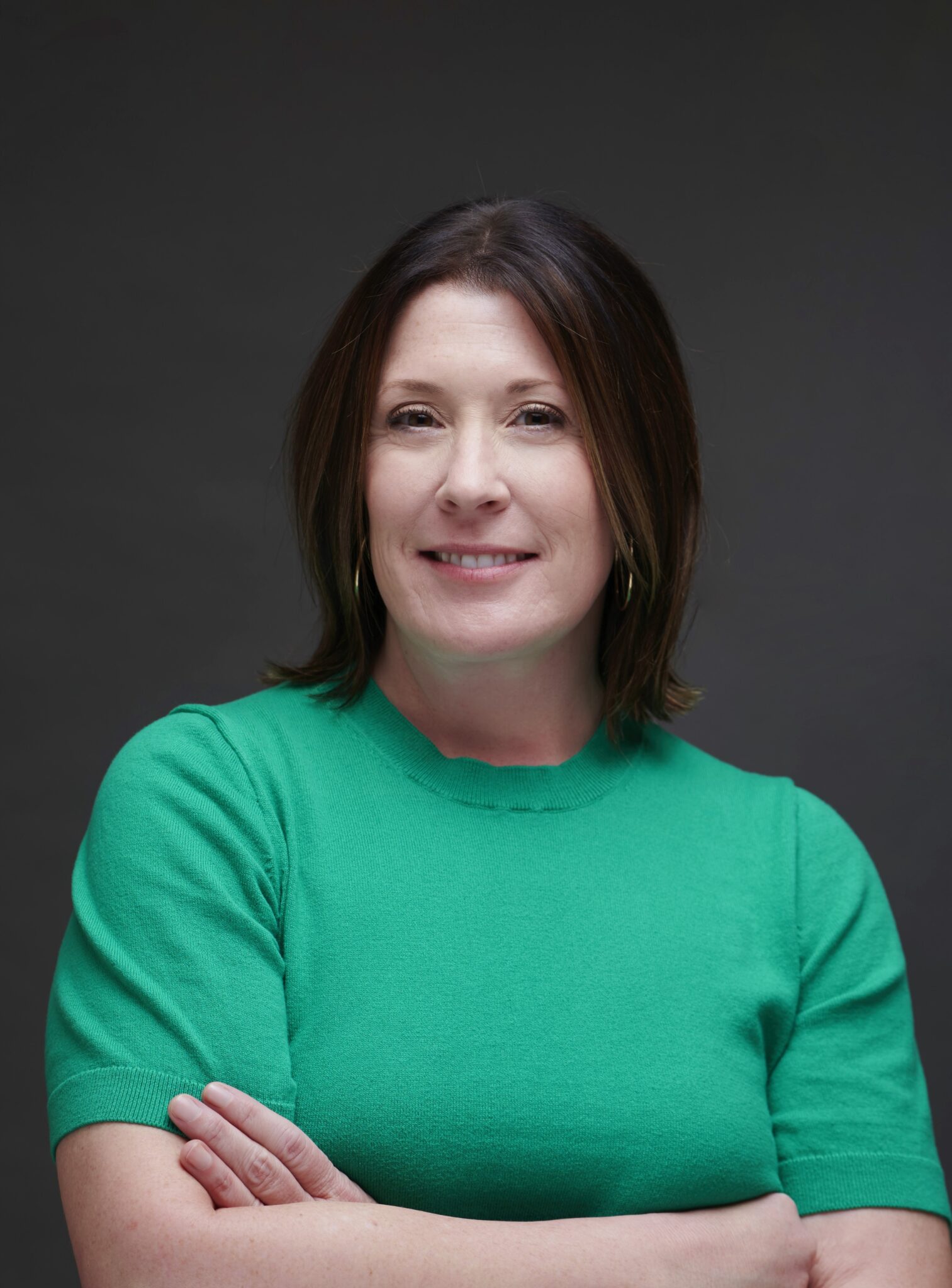
April Sullivan’s career started with a leap most people wouldn’t take. She enlisted in the U.S. Air Force at just 17, served as a parachute rigger, and later supported senior leadership at the Pentagon on the Air Force Chief of Staff’s briefing team. That experience continues to shape how she approaches high-stakes growth and strategy today.
After transitioning out of the military, Sullivan quickly found her footing in GovCon, moving from proposal war rooms into leadership roles where she helped scale business development operations and drive organizational change.
Now, as senior vice president of business development at Acclaim Technical Services, she leads efforts to expand into new markets and strengthen strategic partnerships and position the company for long-term growth, while staying grounded in the same mission-driven mindset that launched her career.
In this Q&A, Sullivan shares how her Air Force experience continues to influence her leadership, why relationships are central to success in GovCon, and how she’s helping ATS evolve to meet emerging demands in technology, data and national security.
Can you provide a brief overview of your professional background and career progression?
I enlisted in the Air Force at 17, and that experience really shaped the rest of my professional life. I started out as a parachute rigger at Luke Air Force Base with the 56th Fighter Wing, where I learned the Air Force’s core values, earned a few early promotions, and even had the chance to fly in an F-16.
Later, I moved to Air Force Space Command and eventually received surprise orders to the Pentagon, where I worked on the Air Force Chief of Staff’s briefing team. For three years, I helped build the daily intelligence and operations brief for senior leaders—work that required the same attention to detail and focus I rely on today in business development and proposals.
Why was this the path you chose, and how influential was it to your career?
When I left the Air Force after 10 years, I carried those values straight into federal business development. I did a short stint as a contractor and then joined SpecTal’s business development team, which was my real introduction to the GovCon world. My leadership growth picked up speed at MANTECH, where I led more than 60 business development and proposal professionals, helped drive organizational change, and built functions that supported long-term growth. That path ultimately brought me to ATS, where the mission, the culture, and the chance to make a real impact lined up with the kind of leader I’ve grown into.
Do you have a personal connection to the current mission you support? If so, please explain.
My start in business development was fast-paced to say the least. My first interview happened while I was still on active duty, and before long I was in a proposal war room. I loved the teamwork, the strategy, and the excitement of working toward a win. I had leaders who challenged me and supported me at the right moments, which helped me build a clear picture of the kind of leader I wanted to become. Every opportunity stretched me a little more, and today I’m fortunate to lead an incredible team at ATS, supporting a company that invests in its people and contributes to a mission I care deeply about: strengthening our nation’s security.
What are your current top priorities and responsibilities, and where do you and your team see growth opportunities in your current field or portfolio you support?
As ATS continues to grow, one of my top priorities is expanding into new markets. Historically, we’ve centered most of our work around two main agencies, but we have capabilities that can serve much broader missions. Through targeted capture efforts—both prime and subcontract—and exploring strategic M&A paths, I’m helping position us where we can make a bigger impact. Just as important is protecting our base. Winning re-competes takes early planning and discipline, and the processes we’ve put in place give our small team more structure and focus as we prepare for future opportunities.
We’re especially excited about two big areas of opportunity ahead. The first is expanding into agencies where ATS hasn’t had a lot of coverage before. We recently added a vice president of business development strategy who is dedicated to this area, and we’re already seeing doors open. The second is meeting the growing demand for tech-enabled solutions that help the workforce do their jobs more effectively. I work closely with our CTO to make sure we’re pulling in the right mix of current and emerging technologies so our experts have the tools they need to solve tough mission challenges. Customers want to do more with less, make sense of increasing data, and leverage commercial innovation, and ATS is adapting to help them do exactly that.
How are you and your team planning to address/prepare for these opportunities?
We’re taking a proactive approach to all of this. On the market expansion side, we’re strengthening our pipeline discipline, improving account intelligence, and aligning resources where we can make the biggest difference. We’re also building stronger partnerships—both industry- and technology-focused—to accelerate our entry into new mission areas. Internally, we’re investing in technical readiness and workforce development, especially in areas like AI, data exploitation, and data science. This helps our teams stay sharp and positions ATS as not just a service provider, but a true innovation partner.
How important is mentorship & networking in GovCon? Were they influential to your career?
Relationships have been at the center of my career from day one. I can trace so many opportunities back to mentors who believed in me, challenged me, and helped me grow. I essentially “grew up” in business development—often thrown into high-pressure situations, learning fast, and figuring things out as I went. Every one of those experiences shaped who I am as a leader today.
What is something most people don’t know about you personally?
My go-to response for this question is that I flew an F-16! But since I already shared that, I often drive to and from work with no music, no podcast, no phone calls, just quiet. It’s my time to just be still to reflect on the day or think about the next big family milestone.