

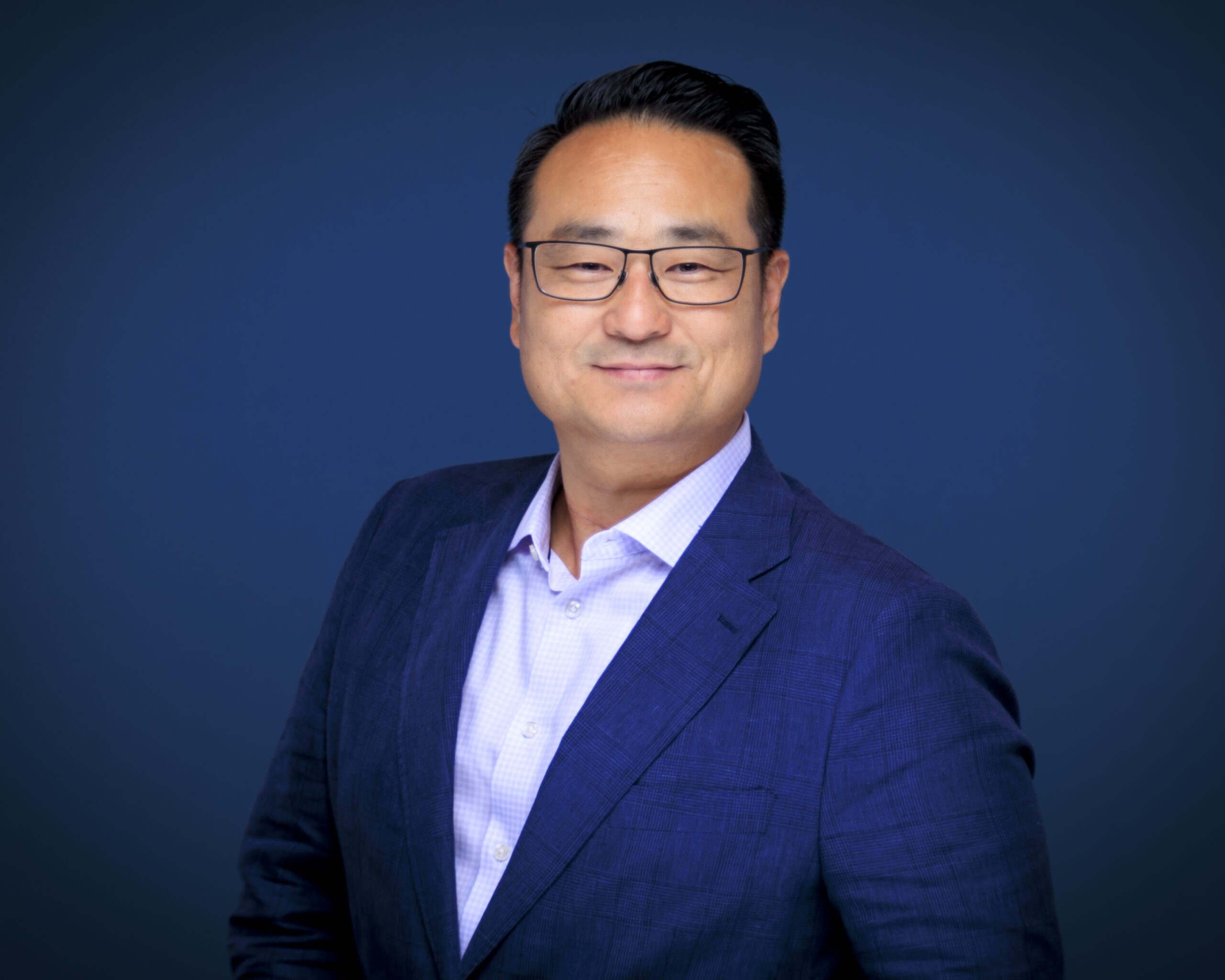
Sam Choi started at the bottom — literally. He enlisted in the U.S. Army as a private, worked his way up to staff sergeant, then earned his commission as a second lieutenant weeks before deploying to Iraq in 2003. He commanded a company during the surge in Mosul, responsible for the lives of the soldiers under him.
Over 30 years, that lens has stayed fixed on one question: Does this actually solve a mission problem? It took him from combat leadership to billion-dollar acquisition portfolios at the Army and the Office of the Secretary of Defense, to AWS, and now to PsiQuantum, where he leads national security business development and global partnerships, working to move fault-tolerant quantum computing into operational reality for the Defense Department, the intelligence community and U.S. allies.
In this Q&A, he discusses bridging frontier technology with real-world mission needs, how quantum is being introduced into operational environments and what meaningful collaboration between government and industry looks like in practice.
Can you provide a brief overview of your professional background and career progression?
I’ve spent more than 30 years at the intersection of national security, technology, and mission execution. I started my career as an enlisted soldier in the U.S. Army and rose through the ranks to become a Military Police commissioned officer, ultimately serving over 25 years, including combat leadership in Iraq where I commanded a company during the surge in Mosul.
From there, I transitioned into acquisition and program leadership roles across the Army and the Office of the Secretary of Defense, managing billion-dollar portfolios and advanced prototyping efforts that directly supported warfighter capability.
After retiring from the Army, I joined Amazon Web Services, where I built and scaled the National Security Professional Services business into a multi-hundred-million-dollar organization and later led worldwide partner sales for the national security organization.
Today, I serve as Vice President at PsiQuantum, where I lead national security business development and global partnerships, helping bring fault-tolerant quantum computing from concept to operational reality for the Department of War, intelligence community, and our allies.
Why was this the path you chose, and how influential was it to your career?
I’ve always been drawn to roles where the stakes are real and the mission matters. The Army gave me that foundation early; leading soldiers in combat and being responsible for their lives changes how you think about leadership and accountability.
As I transitioned into acquisition and later into the private sector, I realized that technology is only as valuable as its ability to solve real mission problems. That belief shaped every step of my career, from building secure cloud capabilities at AWS to now helping deliver quantum computing for national security.
That throughline – mission first, people always – has been the most influential factor in my career decisions.
Do you have a personal connection to the current mission you support?
Absolutely. Having spent much of my young adult life in uniform, I’ve seen firsthand the consequences of both technological advantages and shortfalls.
At PsiQuantum, we’re working on capabilities that could fundamentally change how we solve some of the hardest national security problems, from cryptography to logistics to sensing. For me, this isn’t theoretical. It’s about ensuring the next generation of warfighters has the advantage they need to succeed and come home safely.
What are your current top priorities and responsibilities?
My primary focus is bridging frontier technology with real-world mission needs. That means building partnerships across the War Department, intelligence community, and allied nations, while also shaping how quantum capabilities are introduced into operational environments.
I’m responsible for driving growth, aligning our technology to mission use cases, and ensuring we are building the right ecosystem of partners – system integrators, defense companies, and government stakeholders – to scale adoption.
Ultimately, my role is about translating breakthrough innovation into something that actually delivers mission impact.
Where do you and your team see growth opportunities or customer pain points?
The biggest challenge we see isn’t a lack of technology, it’s alignment. Organizations struggle to connect emerging technologies to mission outcomes, acquisition pathways, and operational timelines.
There’s also a growing need for trusted partners who understand both the technology and the mission environment. As technologies like AI and quantum mature, customers are looking for ways to adopt them responsibly, securely, and at speed.
That gap between innovation and execution is where the opportunities lie.
How are you preparing for these opportunities?
I’m focused on three things: 1/ mission alignment, 2/ partnerships, and 3/ practical execution.
First, we’re working closely with government stakeholders to identify high-value use cases where quantum can make a significant difference. Second, we’re building strong partnerships with federal system integrators, UARCs, FFRDCs, national and military labs, and defense companies to accelerate adoption. And third, we’re investing in platforms and tools like PsiQuantum’s software stack called Construct, to allow users to experiment with quantum capabilities today, not years from now.
It’s about meeting customers where they are and helping them move forward with confidence.
How important is mentorship and networking in GovCon?
They’re critical. This is a relationship-driven ecosystem, and trust is everything.
Throughout my career, mentorship played a huge role, from leaders who invested in me early in the Army to mentors in industry who helped me navigate the transition into the private sector.
I’ve tried to pay that forward by mentoring others, particularly those transitioning from military service. Networking isn’t just about business development, it’s about building a community of people who are committed to solving hard problems together.
What is something most people don’t know about you personally?
Most people don’t know that I started my career as an enlisted soldier (Private/E-1), worked my way up to Staff Sergeant, then became a commissioned officer (2nd Lieutenant) weeks before deploying to Iraq in 2003. That journey gave me a unique perspective on leadership, from the ground level to the strategic, and it continues to shape how I lead teams today. It also keeps me grounded. No matter how complex the technology or how senior the conversation, I never forget that the mission ultimately comes down to people.