
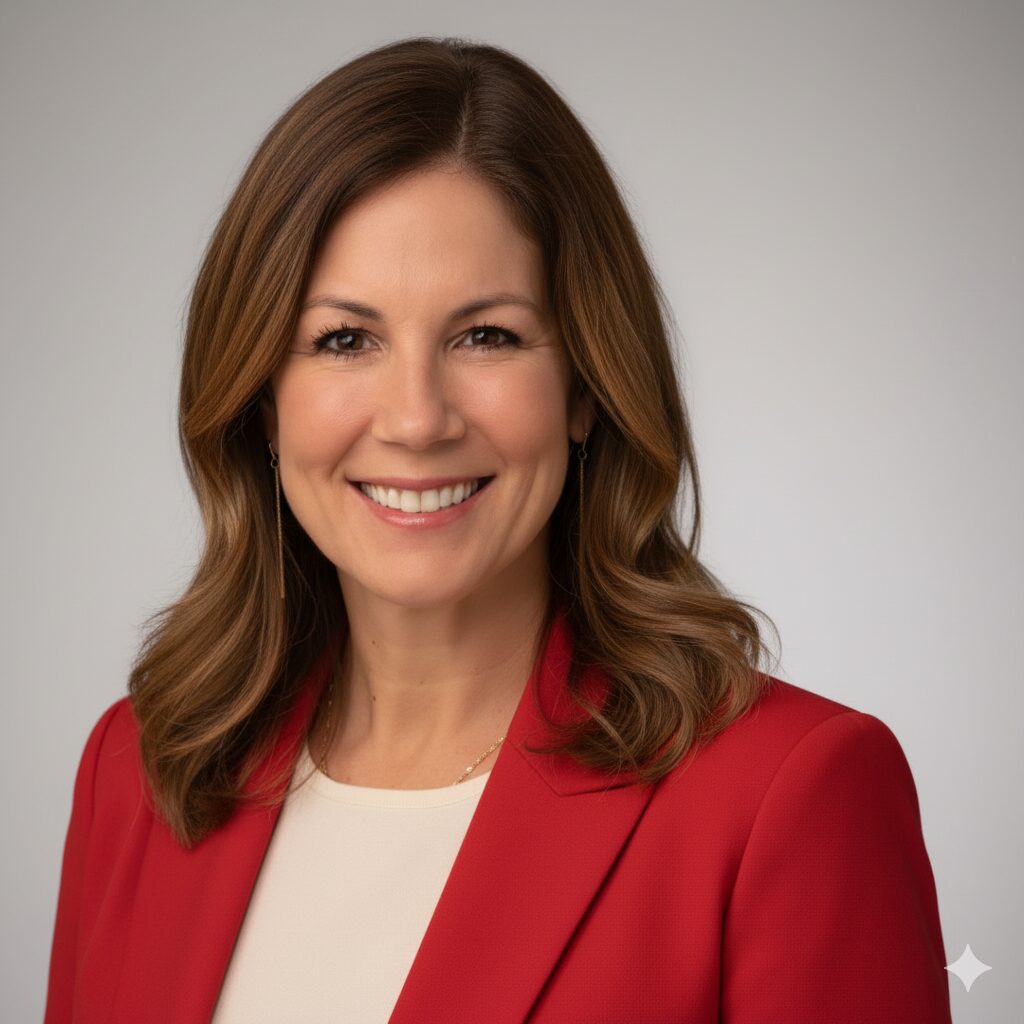
Lori Reed didn’t set out to build an empire when she started Schechter Reed. She wanted to build something better. After years working in big-agency recruiting, she saw a gap: Companies needed a more thoughtful, personal approach to hiring. What began with one client and a lot of grit has grown into a firm known for lasting partnerships and people-first results.
In this Q&A, she shares how she built Schechter Reed from the ground up, what leadership means to her now and why the right match always starts with listening.
What inspired you to start your business, and was there a defining moment that set you on this path?
I worked for a large staffing agency right out of college, relocating offices from Baltimore to D.C. and then Los Angeles. With each move, I had to start over in a new market, building up a network of clients and candidates. When I returned to D.C., I was pregnant with my first child and considered that if I was going to start over again, I might want to go out on my own. The defining moment came when a Recruiter friend from Booz Allen Hamilton brought me in as a staffing partner to fill a few positions and that launched Schechter Reed.
How would you describe your company’s mission in just a few words, and why is that your core focus?
Schechter Reed’s mission is to earn our clients’ trust by helping them make better and faster HR and administrative hires. We understand the impact of a misaligned or mistimed hire, so we operate with the creativity, tenacity and focus needed to not just fill a position, but to forge deep, durable connections that elevate a team and minimize disruption.
What have been your toughest challenges in building the business, and how did they change your direction or perspective?
Our biggest challenge in building the business is common for any small business—to grow and scale, I have to work ON the business and not IN the business. Relinquishing control of the relationships I have nurtured for two decades has been exceedingly difficult. I’m working with an executive coach now to address that.
How has your sense of identity as a leader evolved since you began?
I have learned and continue to learn how important it is to have the right people in the right seats. Not only has that helped us better assess talent for our clients but it has helped me evaluate teams using data and accountability and get comfortable having tougher conversations.
How do you shape your company culture, especially during difficult times?
I have worked in the recruiting space for 30 years and seen the job market rise and fall many times. Our core values center around client-obsession, resourcefulness, humility and tenacity and nothing tests those more than a downturn. We have never laid off an employee because times get difficult. I believe that leaders should eat last.
What project or milestone best captures what you’re trying to achieve, and why?
We began working with a fast-growing Health IT firm in 2017. The Founder/CEO was hiring an Executive Assistant and in the multiple conversations we had, I learned about the company’s culture, strategic plan, core values, and hiring processes. Over the past eight years, we have placed their Executive Assistant, Chief of Staff, two Vice Presidents of HR, Vice President of Operations, Office Administrator, Corporate Communications Lead, Project Administrator, and an Intern. The Founder/CEO embraces us as a true partner, entrusting us to “spot talent, not just skills”. That’s the type of relationship we hope to achieve with all our clients.
What do people often misunderstand about your industry, and how is your approach different?
The biggest misunderstanding is that we’re just headhunters, people who swim in a sea of résumés and toss them over to clients and hope they land. New clients may initially get “sticker shock” from our fee, but they don’t see the massive headaches we prevent and the ROI on a strong hire until our presentation, when they realize they couldn’t have developed that slate of candidates nearly as fast.
Our approach is different because we don’t just tap into a database; we build long-term connections that stick. We specialize in finding high-caliber talent that isn’t actively looking. We use an intensive, meticulous process to analyze the real cultural fit and future potential—not just the bullet points—to make sure the person we place thrives.
Where do you hope your business will be in five or ten years, and what kind of legacy do you want to leave?
My hope is that I will eventually bring in someone to take over the business in ten years. It would be a dream come true to see one or both of my kids (now in their early 20’s) take the reins one day. If not, I’ll be on the hunt to find someone who wants to continue the legacy of creating lifelong relationships and loyal company fans.
What lessons or insights would you share with someone just starting out in your field?
Recruiting can feel very production-oriented with a never-ending cycle of resumes, interviews, pitches, and debriefs. It’s important to “fill your cup” by looking back at the successful hires/placements you have made. Otherwise, it’s easy to get discouraged and burned out.
How do you maintain balance and recharge personally while leading a business?
Maintaining balance is a constant struggle for me as I tend to overcommit. I’ve always been one to work hard and play hard and with the flexibility of remote work, I build in time for both—no matter the day, time, or location. My favorite place to recharge is on the tennis court. My dad taught me to play at age six and it’s been one of the greatest gifts of my life. I am also a nature lover and try to get outside for a walk, hike or bike ride whenever possible.