
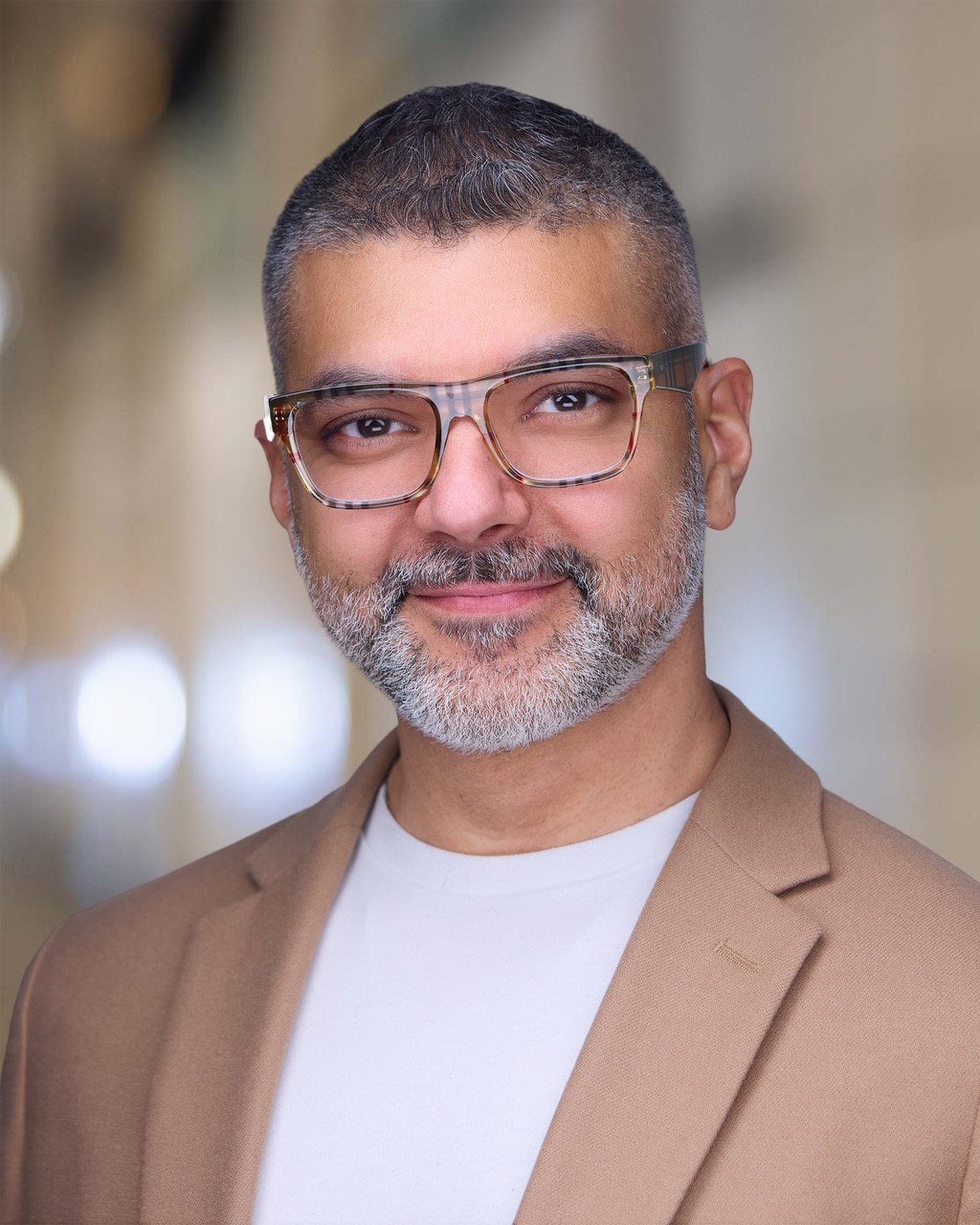
Rizwan Jan isn’t a chief information officer who waits for change — he builds it. As vice president and CIO at CNA, he leads the company’s technology and security strategy, bringing decades of experience in government regulation, classified environments and IT modernization to a mission that directly supports national security.
“Let’s just say my journey hasn’t been a quiet climb; it’s been a mission-driven sprint fueled by purpose, strategy, and a whole lot of grit,” Jan told WashingtonExec. “From leading complex IT transformations in high-stakes environments to overhauling outdated systems that were holding organizations back, I’ve built my career by pushing boundaries and delivering results where they matter most. I don’t wait for change — I build it.”
Before joining CNA, Jan held senior technology and security roles at the Henry M. Jackson Foundation for the Advancement of Military Medicine and Booz Allen Hamilton. But what drew him to CNA was its mission.
“This isn’t just an organization that talks about impact — we live it,” Jan said. “CNA exists to support national security through real-time, actionable research that helps leaders make smarter, faster decisions. That level of purpose is rare. Being able to apply cutting-edge technology to a mission that protects lives and shapes the future? That’s not just a job; it’s a responsibility I take personally.”
In this Q&A, he shares how his passion for driving real change with IT led him to leadership, his personal connection to CNA’s mission, where he sees growth opportunities and more.
Why was this the path you chose, and how influential was it to your career?
I didn’t just stumble into IT leadership. I was drawn to it because I saw the potential for real change. Early on I realized that technology wasn’t just there to keep the lights on, it had the power to solve big problems, to move missions forward, and to make people’s lives better. That realization lit a fire in me.
I’ve always gravitated toward the tough challenges, the ones with high stakes and real consequences. And over the years I’ve had the privilege to lead projects that didn’t just cut costs, they shifted how entire organizations operate, how they think, and how they serve. That kind of impact sticks with you. It’s what drives me, and honestly, it’s what still gets me out of bed excited every morning.
Do you have a personal connection to the current mission you support? If so, please explain.
Absolutely and it’s more than professional, it’s personal. I didn’t come to CNA chasing a title or a resume boost. I came here because the mission speaks to something deeper: protecting lives, supporting those who serve, and making decisions that matter in moments that count.
When the work you do helps shape national security strategy or supports critical operations during a crisis, it changes how you show up every day. It brings urgency, clarity, and a sense of purpose that’s hard to find elsewhere. That kind of mission alignment isn’t just motivating, it’s grounding. It’s why I lead with intention, push harder, and stay focused on what really matters.
What are your current top priorities and responsibilities? How do these relate to your company’s overall mission/growth strategy?
Right now, I’m focused on three things that really move the needle: scaling innovation, strengthening our security posture, and unlocking the full potential of our people. We’re not just jumping on the AI bandwagon we’ve built something that works. Our in-house large language model, Morse Code, is delivering faster, more accurate insights for national security leaders. What used to take weeks now takes hours, and we’re doing it all within a secure, trusted environment. That speed and reliability aren’t just nice to have, they’re essential.
At the same time, we’re putting just as much energy into our people. Because the best tech in the world means nothing if your team isn’t empowered to use it. We’re investing in training, tools, and a culture that encourages innovation from the ground up. All this ties directly into CNA’s growth strategy. We want to help our sponsors make smarter decisions, move faster, and be ready for whatever comes next and that starts with building the right foundation across people, process, and technology.
Where do you and your team see growth opportunities in your current field or portfolio you support, or what do you anticipate to be your customers’ top pain points?
One of the biggest challenges our clients face is information overload. They’re not lacking data, they’re drowning in it. The real pain point is being able to quickly extract what matters, make sense of it, and act on it with confidence. That’s especially true in national security, where decisions have high stakes and limited margins for error.
That’s where we see enormous opportunity. With tools like our internal LLM, Morse Code, we’re helping our clients cut through the noise. It’s not just about speeding things up; it’s about sharpening the signal. Morse Code is purpose-built for our mission, designed to sift through complex, often sensitive information and deliver insights that are relevant, trusted, and actionable.
We’re not experimenting, we’re operational. That’s a big difference. As the first FFRDC to bring secure, tailored AI to scale, we’re meeting our clients where they are and solving real-world problems. The growth is coming from that clarity, helping our sponsors make better decisions, faster, and with confidence.
How are you and your team planning to address/prepare for these opportunities?
We’re not getting ready, we’re already moving. We’ve built a secure AI infrastructure inside Azure Government, backed by a governance framework that a lot of others are still trying to figure out. This isn’t theoretical, it’s real, and it’s already making an impact.
Right now, we’re building a client-facing version of Morse Code that’s going to take everything we’ve done internally and put it into the hands of our sponsors. It’ll be secure, self-service, and built for the kind of insights people need on demand, not after the fact. And we’re not doing it in a vacuum. We’re working with top-tier partners like Microsoft and Cloudforce to bring together the best of commercial innovation and federal-grade security. It’s a team effort, and together, we’re building something that’s going to shift how mission-critical work gets done.
How important is mentorship and networking in GovCon? Were they influential to your career?
Let me put it this way: No one builds an empire alone. In GovCon, mentorship isn’t optional, it’s essential. The complexities of this space are unlike any other, and navigating it requires wisdom, trust, and shared experience.
I’ve been fortunate to have mentors who challenged me, opened doors, and gave it to me straight. Now, I return the favor. Mentorship is how we future proof our field. As for networking, it’s not about collecting contacts, it’s about building real relationships with people who make you better. The best ideas, the sharpest thinking, it rarely happens in isolation. You need that exchange of experience and energy to stay sharp and stay ahead.
What is something most people don’t know about you?
Most people see the CIO, the strategist, the person leading big initiatives. What they don’t always see is that I’m a builder at heart. I get just as much satisfaction out of renovating a room or building a custom table from scratch as I do rolling out an enterprise tech platform.
On the weekends, you’ll find me cutting wood, measuring twice, and figuring out how to make things fit just right. That same mindset carries into my work. Whether it’s rolling out a complex tech initiative or crafting something with my hands, I love the process of building something that works better than it did before. It’s not just what I do, it’s who I am.