

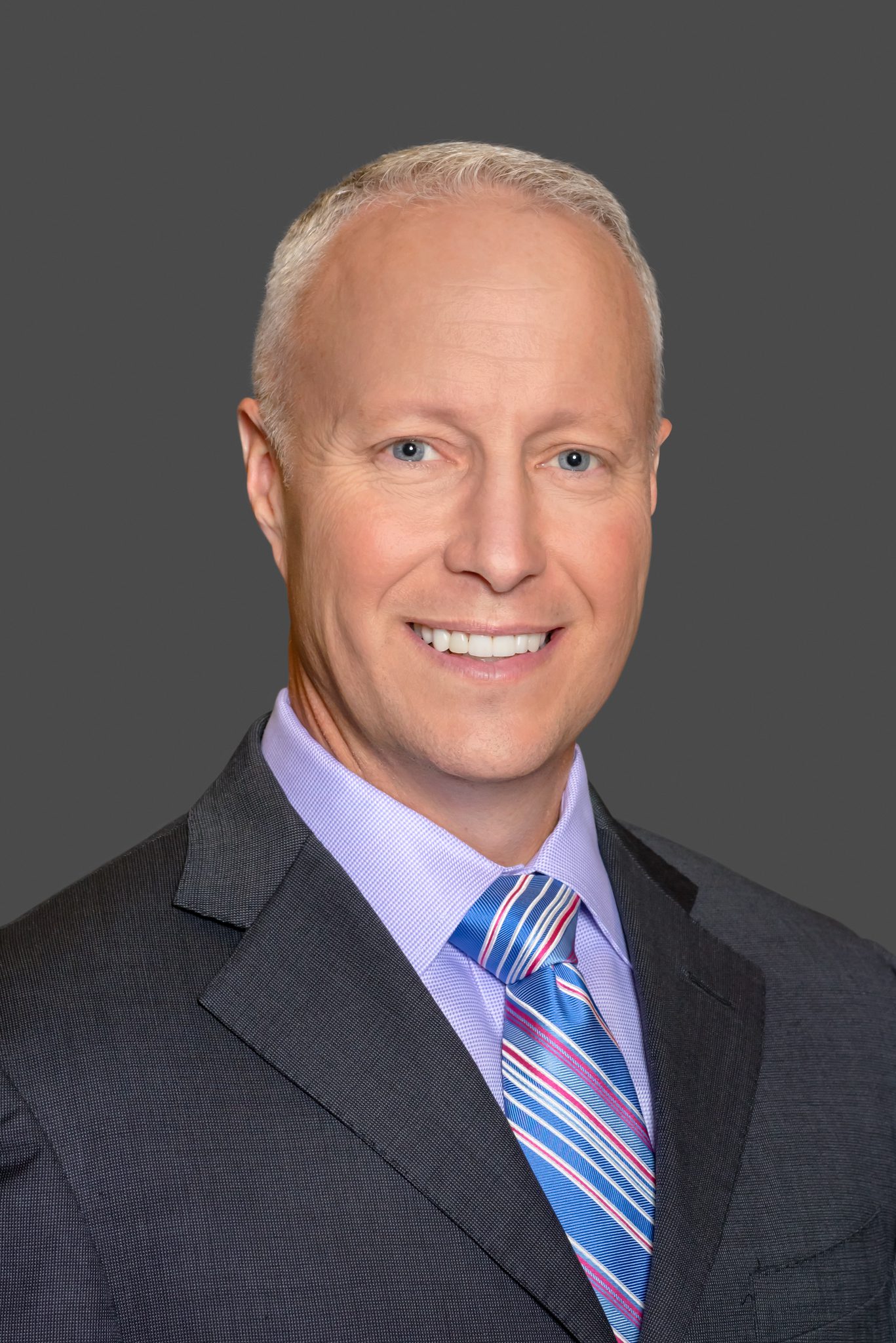
It was late summer 2019, and Gerry Fasano couldn’t believe his eyes.
Slipping out after a black tie event, the Leidos president of defense climbed into his sedan and prepared to drive home. But a bumper sticker on the car in front of him caught his eye.
It said, “Help, kidney needed . . . blood type O-negative.”
Fasano squirmed a little. O-negative is one of the rarest blood types. It was also his.
For several miles, the car continued to take the same route he was taking.
“All right, God,” he recalls saying. “If this keeps up, I’ll do something about it.”
It kept up for three more turns. Other situations tugged at his heart, too, including his daughter’s roommate’s mother, a kidney transplant recipient. By Thanksgiving, he couldn’t ignore the urge to act. He told his wife and signed up to become an altruistic donor — someone who gives to a stranger with no expectation of anything in return.
This summer marks the 5-year anniversary of his kidney donation and a renewed interest in encouraging more people to become donors. He kept his story private at first. Not even his coworkers knew why he was out for surgery. But, over time, his story leaked out as his daughter Megan shared a social media post bragging about her father.
Santa’s Wish List

When Fasano signed up to give a kidney, he didn’t know who it would go to or anything about the person. In the hospital, he wrote a letter to his kidney recipient, introducing himself and offering to meet if the recipient wanted.
He gave the letter to the hospital staff and waited.
Steve Van Hale, a Stillwater, Minnesota, recipient, was a lifelong corrections and probation officer known for his work with delinquent boys, helping people turn their lives around, and for making friends with everyone — from C-suite executives to floor maintenance workers. But perhaps better than anything else, he was known as a local Santa.
Van Hale had played the role since his 30s. When diabetes complications shut down his kidneys, his wife, Penny, prayed they would find a donor quickly.
Doctors weren’t sure he would survive. Penny prayed for more time, and when she got it, went on a mission to find a donor match. She took to social media and made bumper sticker decals that said, “Santa has a wish list, too. If your blood type is O, please call . . .” followed by a phone number.
Many people offered to help, but none had the same blood type.
Then, the Van Hales learned of donor chains, a process in which many donors undergo surgery almost simultaneously, each of them getting kidneys from different people in the chain until each person has an organ that matches their type. One of Steve’s former coworkers offered to participate, even losing weight and working to raise her hemoglobin levels to meet requirements for donating.
Steve’s kidney surgery date was set for June 25, 2020. The couple laughed when they heard it.
“It’s just a little ironic that Santa’s going to get a kidney six months from Christmas,” Penny recalled.
‘An Impressive Logistics Chain’
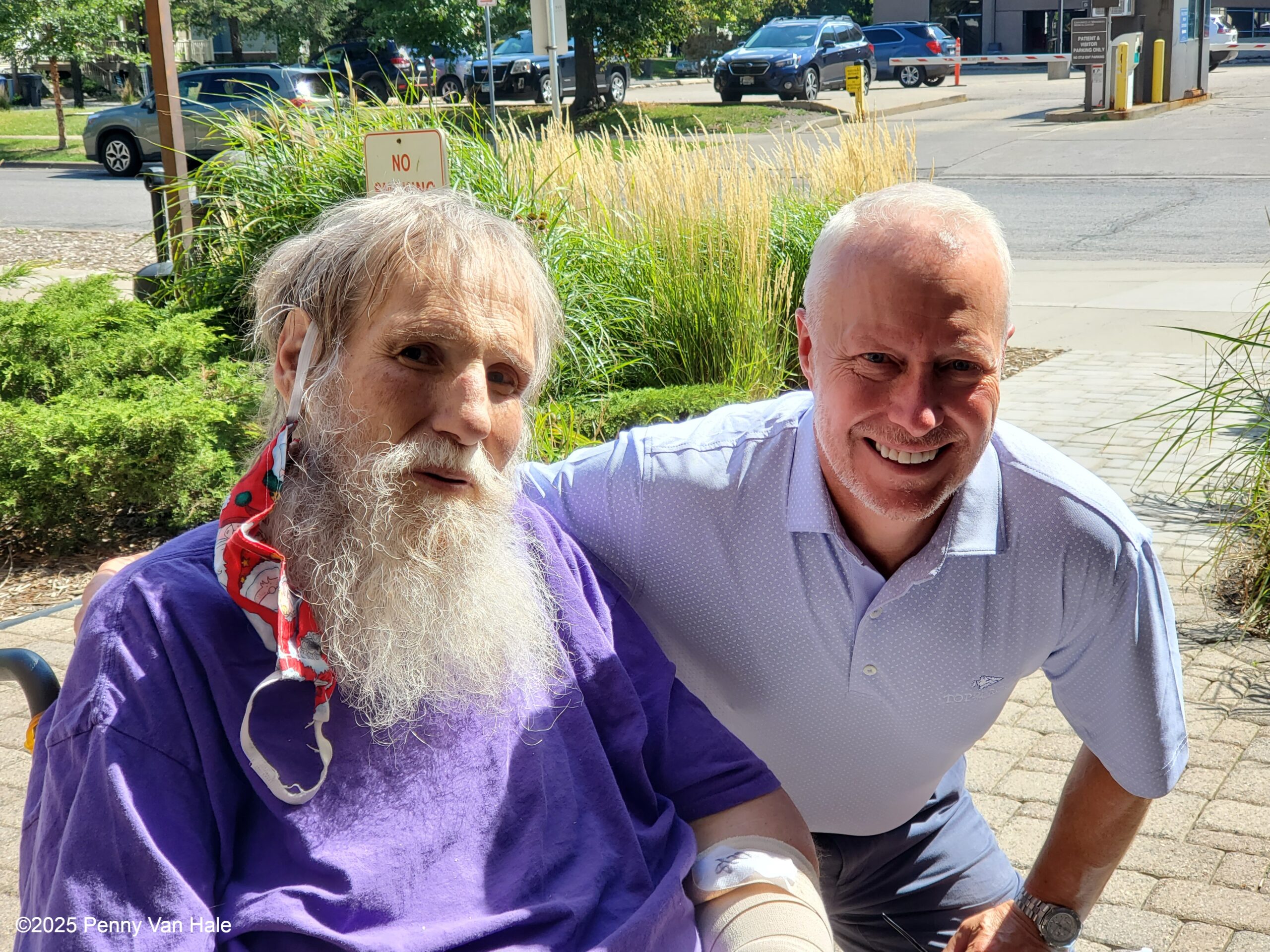
Surgeons harvested Fasano’s kidney in the morning and flew it to Minnesota on a commercial airline to JFK International Airport. The transplant was successful, and Fasano’s recovery was quick and smooth.
Steve got a new lease on life. It lasted 15 months before pancreatic cancer took his life. But others in the kidney chain continue to live on. And Penny has become a close family friend who regards Fasano as one of the nicest people she’s met.
“He’s down to earth and is as humble as can be,” she said. “I’ll be forever grateful because we’ve got 15 extra months.”
But Fasano’s mission now is to help people understand that the barriers to making a difference may not be as great as they fear.
More than 100,000 people in the U.S. remain in desperate need of help, Fasano said. Some 16 people die each day due to not getting the organs they needed in time.
Organ donation is a personal choice, Fasano said, but it’s one that isn’t always well understood. Fasano began his journey by registering as an altruistic donor through the National Kidney Registry. Through a series of tests, he was found to be in good enough health to complete the process.
The donation is also paid for, and a counselor speaks with each would-be donor to ensure they aren’t having doubts or being pressured by undue influence.
“Following my surgery, I learned that there is an impressive logistics chain that is triggered to transport an organ from donor to recipient,” he said. “My kidney traveled from Pennsylvania, to New York, and a few other stops before making its way to its new home in Minnesota where the recipient lives. Altogether, this six-donor-six-recipient chain was closed over a 24-hour period across 10 states – truly remarkable.”
As for his recovery time? It was a weekend out of his life in the hospital, a little soreness, one lost golf season, and back to his life. But it left him with the nagging question: “Why are people dying from this?”
“By sharing my story, I hope to help raise awareness about the critical need for organ donation, shed some light on the donation process, bring attention to the amount of people who are touched by organ donations, and hopefully inspire others who are willing to help combat the organ shortage,” he said.
The goal? That no one else will die while waiting for an organ. More donors are needed, he said. An easy first step is updating your driver’s license to indicate you’d like to be an organ donor. Fasano said he’s also happy to answer questions about his experience for anyone who may be interested in becoming a donor.
For more information, visit www.kidneyregistry.com.